Introduction
RVing offers a sense of freedom and adventure, but to truly enjoy the experience, you need to understand the inner workings of your recreational vehicle. Two essential components in your RV's electrical system are converters and inverters. In this comprehensive guide, we'll demystify these crucial elements and explore how they work to power your appliances and devices while you're on the road.
 RV Converters: Charging Your Batteries
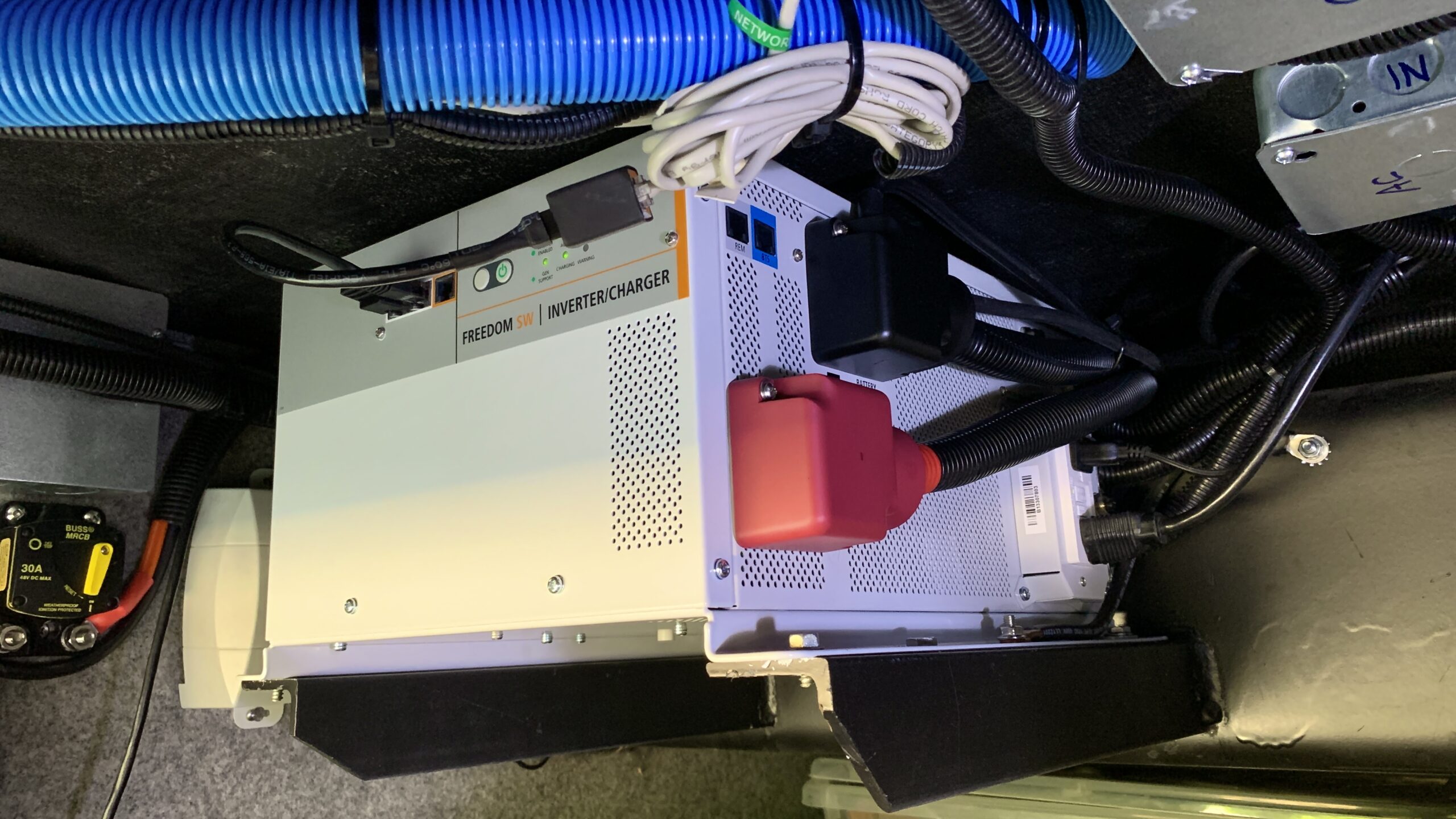
- Role of Converters: RV converters are responsible for converting 120-volt AC (alternating current) power from an external source, such as shore power or a generator, into 12-volt DC (direct current) power. This is essential for charging your RV's batteries and supplying power to your 12-volt appliances and lights.
- Battery Charging: RV converters maintain and charge your house batteries, ensuring they remain fully charged for all your electrical needs. They prevent overcharging by providing a steady flow of power.
- Onboard Chargers: Some RVs come equipped with built-in chargers, but you can also install external converters to upgrade your charging capabilities.
RV Inverters: Providing AC Power
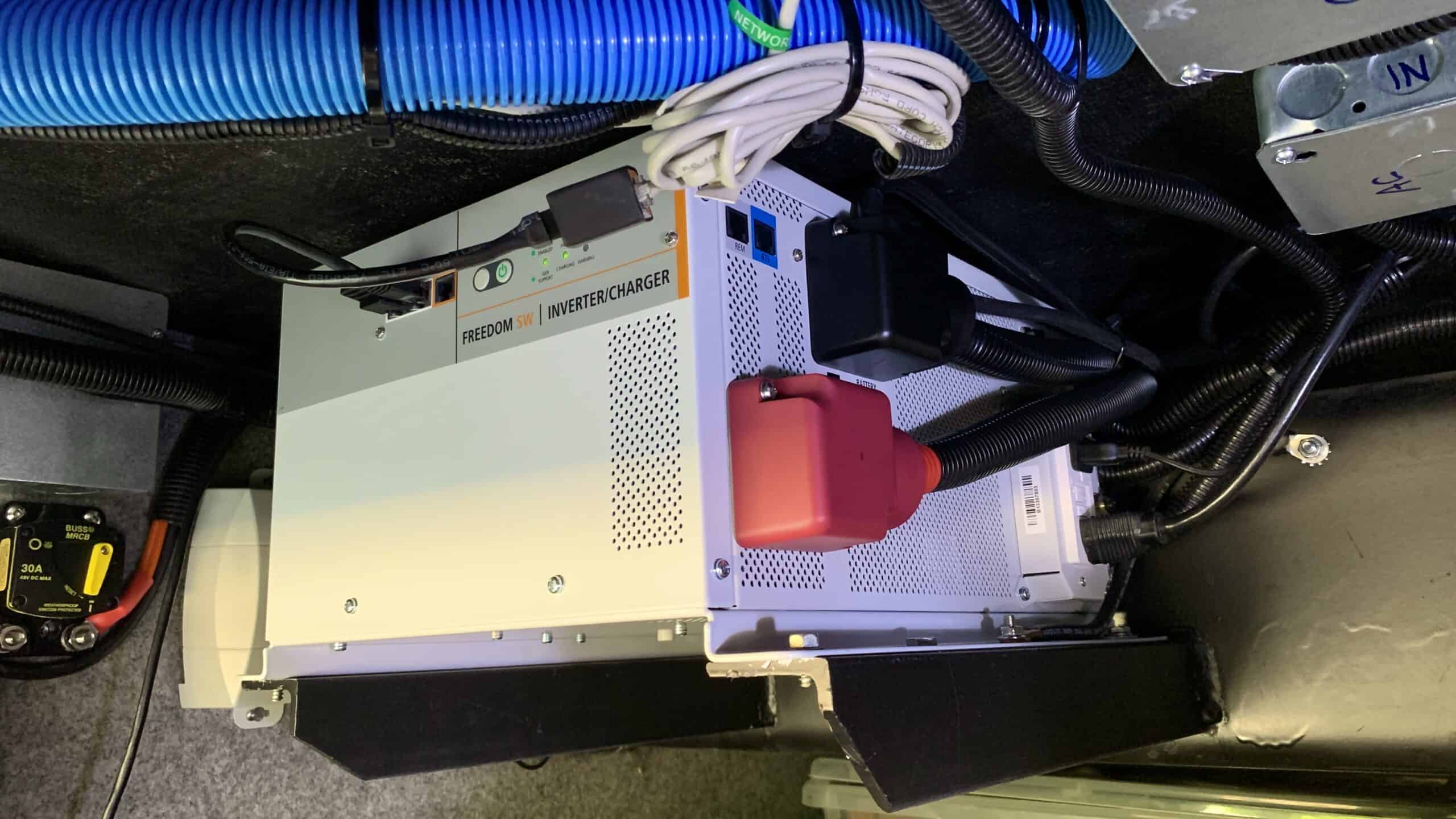
- Role of Inverters: RV inverters, on the other hand, perform the opposite function. They convert 12-volt DC power from your batteries into 120-volt AC power, allowing you to run standard household appliances and electronics when you're not connected to shore power.
- Off-Grid Power: Inverters are invaluable when you're dry camping or boondocking, providing the comforts of home even when you're away from traditional power sources.
- Inverter Sizing: The size of your inverter matters. You should choose an inverter that matches your power needs, but be mindful not to overload it.
Understanding Combined Systems
- Converter-Charger Combos: Many RVs come with converter-charger combinations that handle both conversion and charging tasks. These all-in-one systems simplify your RV's electrical setup.
- Automatic Transfer Switch: Some RVs include automatic transfer switches that seamlessly switch between shore power, generator power, and inverter power, ensuring a continuous and smooth power supply.
Choosing the Right Equipment
- Selecting a Converter: When choosing a converter, consider factors like its charging capacity, efficiency, and whether it has a multi-stage charging capability to protect your batteries.
- Choosing an Inverter: For inverters, determine the amount of power you need based on the appliances you plan to use. Pure sine wave inverters are recommended for sensitive electronics like computers and televisions.
Tips for RV Electrical System Maintenance
- Regular Checks: Inspect your RV's electrical components regularly to ensure they're in good working condition.
- Battery Care: Maintain your RV batteries by checking their water levels, keeping them clean, and avoiding over-discharge, which can damage them.
- Efficient Usage: To conserve power when using your inverter, turn off non-essential appliances and lights, and use energy-efficient appliances.
- Safety: Ensure your RV's electrical system meets safety standards and consider using surge protectors to safeguard against power surges.
Conclusion
Understanding RV converters and inverters is essential for a seamless and comfortable RVing experience. Whether you're camping at a full-hookup site or venturing into the wilderness, these components ensure that your appliances, devices, and lights work as expected. By making informed choices, performing regular maintenance, and practicing efficient power usage, you can enjoy the freedom of the open road with all the comforts of home.