When it comes to refueling your RV, you'll encounter a variety of gas stations, ranging from small, independently owned stations to large, well-known chain locations. Each type of station has its own set of advantages and disadvantages. In this guide, we'll explore the pros and cons of both small and large gas stations, helping you make an informed choice during your RV travels.
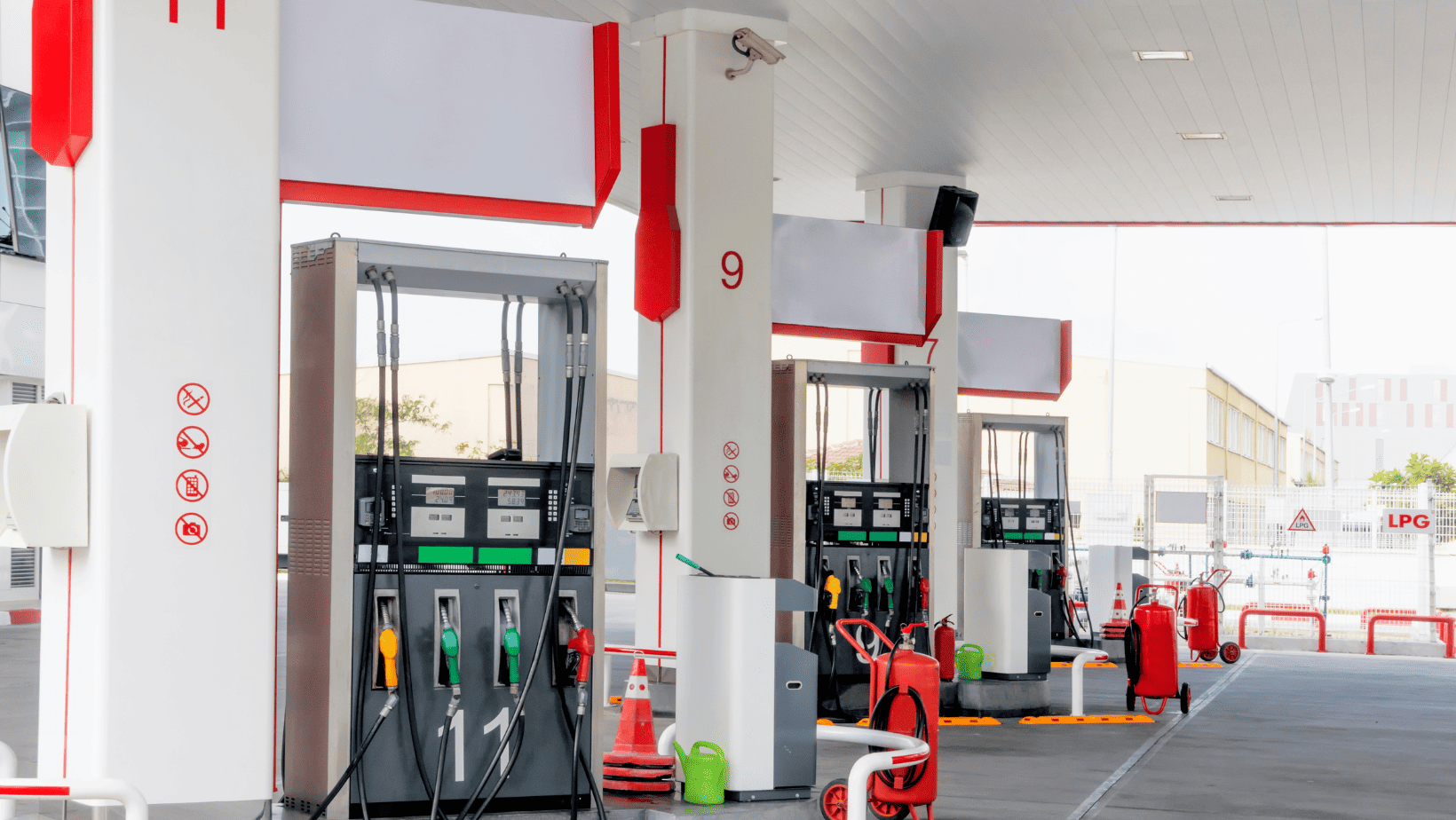
Small Gas Stations:
Pros:
- Personalized Service: Smaller gas stations often provide more personalized customer service. Attendants may assist you with fueling, answer questions, and offer local recommendations.
- Quicker Stops: With fewer customers, small stations can lead to shorter wait times, allowing you to get back on the road faster.
- Local Charm: Many small gas stations are unique and may reflect the local culture and character of the area you're visiting.
- Support Local Businesses: Choosing a small, independent station can help support local businesses and communities.
Cons:
- Limited Amenities: Small stations may have limited amenities, such as convenience stores or restrooms, making it necessary to stop elsewhere for additional services.
- Variability in Fuel Quality: The quality of fuel at smaller stations can vary, so it's essential to verify the reputation of the station to ensure quality fuel.
- Limited Accessibility: Smaller stations may not be as accessible for larger RVs, so confirm whether there's enough space for your vehicle.
Large Gas Stations:
Pros:
- Amenities: Large gas stations, especially those owned by major chains, often have convenience stores, restrooms, and dining options.
- Consistent Fuel Quality: Chain stations typically offer consistent fuel quality, reducing the risk of fuel-related issues.
- Accessibility: Large stations are usually designed to accommodate larger vehicles like RVs, with spacious fuel lanes and ample parking.
- Security: The presence of other customers and surveillance cameras can enhance security at larger stations.
Cons:
- Longer Wait Times: Due to higher customer volumes, you may experience longer wait times at larger gas stations, especially during peak hours.
- Potentially Higher Prices: Large chain stations might have slightly higher fuel prices compared to smaller, independent stations.
- Less Personalized Service: With more customers to serve, large stations may offer less personalized assistance.
- Lack of Local Character: Chain stations often lack the local charm and character that smaller stations may provide.
Choosing between small and large gas stations for refueling your RV comes down to your preferences and priorities. Small gas stations offer personalized service and local charm, while large stations provide convenience and consistency. Consider your specific needs, the location of the stations, and your RV's size when making your decision. Regardless of your choice, staying informed about the reputation and quality of the station is essential to ensure a smooth and worry-free refueling experience during your RV adventures.