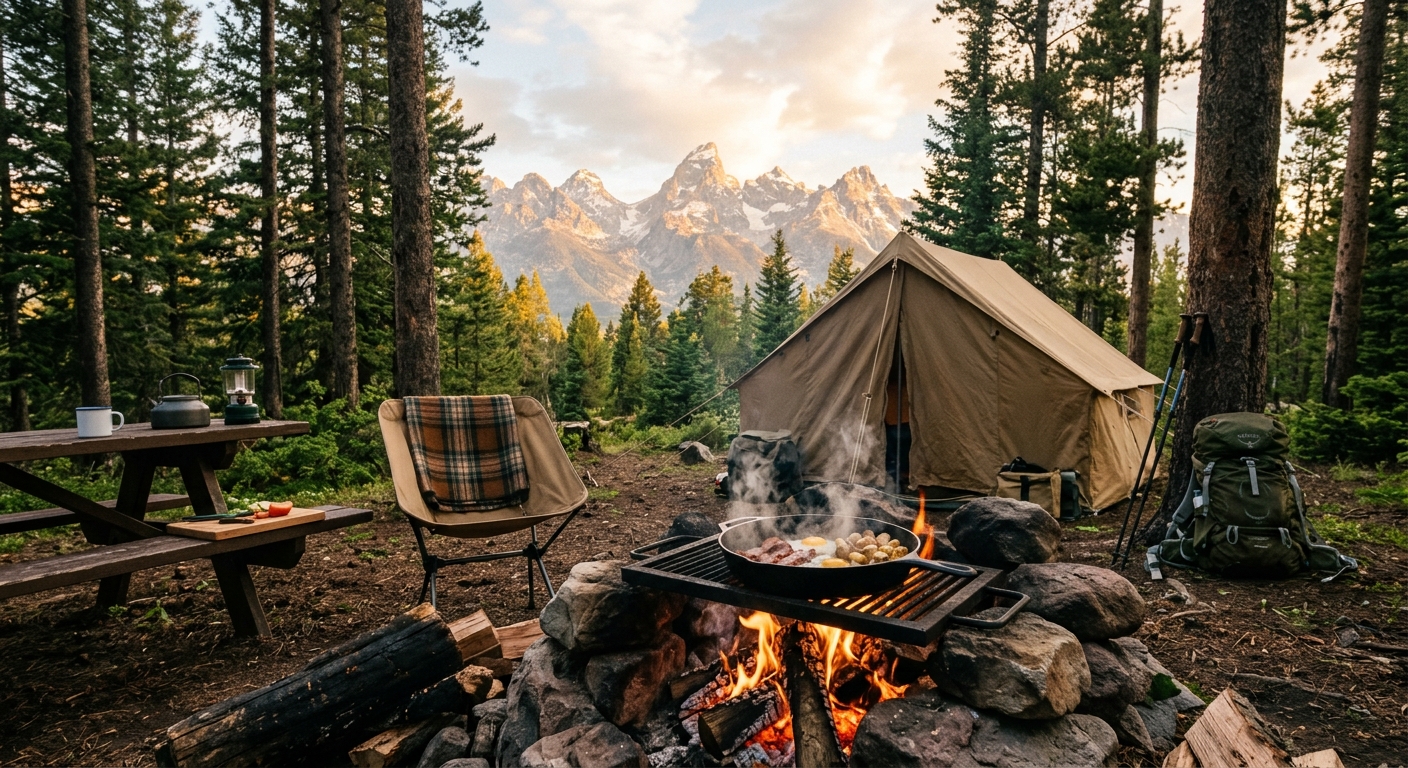
From the Backcountry to the Fire Pit: Eating Well in America's National Parks
The National Park Service has long been the gold standard for helping campers experience America's most breathtaking landscapes — from the geothermal wonders of Yellowstone to the towering granite walls of Yosemite. But while the NPS does a phenomenal job guiding you to the perfect campsite, they don't always tell you what to eat once you get there. That's where we come in. At CampgroundViews.com, we believe great camping starts with a great meal. Here's how to cook inspired campground cuisine worthy of a park ranger's approval.
Why Campground Cooking Matters More Than You Think
Food is the heart of every camping trip. It fuels your morning hike, rewards your afternoon paddle, and brings your group together around the fire at night. National Park campgrounds often come with specific cooking regulations — bear boxes, fire restrictions, no-trace principles — which means your camp kitchen game needs to be both delicious and smart. Understanding those rules before you arrive is half the battle, and tools like CampgroundViews.com can help you scout your exact campsite (and its amenities) before you ever pack your cooler.
The NPS Leave No Trace Philosophy Applied to Cooking
The National Park Service strongly promotes Leave No Trace principles, and that philosophy extends directly to how you prepare and clean up after meals. Here's how to honor those values without sacrificing flavor:
- Pack out all food waste. Even biodegradable scraps like orange peels and apple cores can disrupt local wildlife. Use a dedicated trash bag and pack it out every time.
- Use a camp stove when fires are restricted. Many NPS campgrounds impose seasonal fire bans. A compact propane or canister stove is your best friend for staying compliant and still enjoying a hot meal.
- Wash dishes 200 feet from water sources. Use biodegradable soap and scatter grey water widely. This protects streams and lakes that make national parks so magical.
- Store food properly. Bear-resistant containers or food lockers are required in many parks. Plan meals that minimize smelly packaging and aromatic residue.
Five Campground Meals Worthy of a National Park Setting
1. Sunrise Skillet Hash
Dice potatoes, bell peppers, onion, and pre-cooked sausage at home and store in a zip bag. At camp, toss everything in a cast iron skillet with olive oil and cook over medium heat until crispy. Top with a fried egg and hot sauce. Simple, satisfying, and ready in under 15 minutes — perfect before a long trail day.
2. Foil Packet Salmon with Lemon and Dill
Lay a salmon fillet on heavy-duty foil, top with sliced lemon, fresh dill, a pat of butter, and a pinch of salt. Seal tightly and place directly on hot campfire coals for 12–15 minutes. Zero dishes, maximum flavor, and total compliance with no-trace cleanup.
3. Backcountry Pasta Puttanesca
This bold, briny pasta is a backpacker's dream. Pack dried pasta, canned olives, capers, crushed tomatoes in a small can, olive oil, and chili flakes. Boil noodles, drain, and toss with everything else over low heat. It tastes gourmet with almost no effort.
4. Dutch Oven Campfire Chili
Few things beat a bubbling pot of chili after a day of exploring national park trails. Use pre-browned ground beef (cooked at home), canned beans, diced tomatoes, chili powder, cumin, and garlic. Simmer in a Dutch oven over coals for 30–40 minutes. Serve with cornbread baked in the same pot.
5. S'mores Stuffed Bananas
Split a banana lengthwise through the peel, stuff with mini marshmallows and chocolate chips, wrap in foil, and set on warm coals for 8–10 minutes. It's the ultimate NPS-approved campfire dessert — no skewers required.
Plan Your Camp Kitchen Before You Arrive
Before your next national park adventure, take a virtual tour of your campground on CampgroundViews.com. Knowing whether your site has a fire ring, a bear box, or a nearby water source helps you plan the right menu from the start. Great camping cuisine begins long before the first flame is lit — it starts with smart planning, the right recipes, and a deep respect for the wild places that host us.