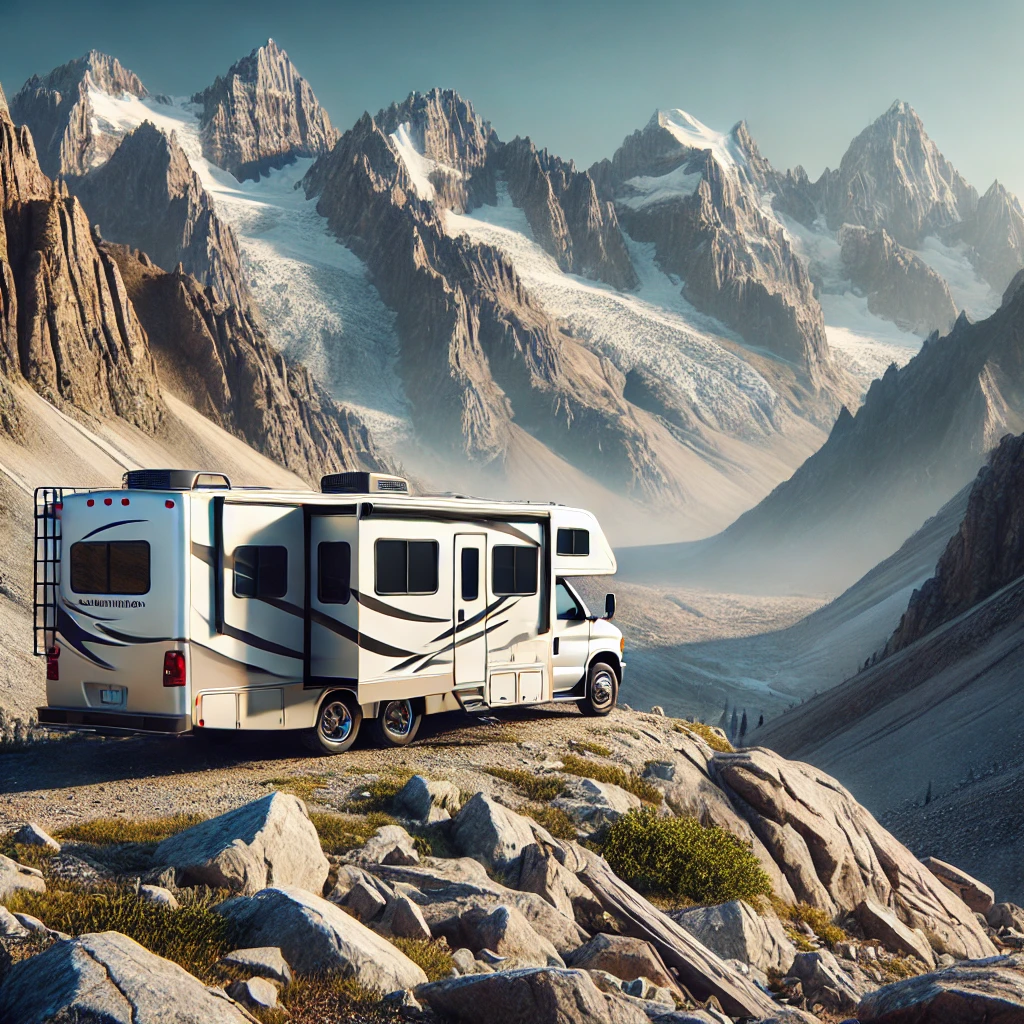
Navigating the Highs and Lows of RV Travel in Elevated Terrain
Mountain landscapes and high-altitude destinations offer some of the most breathtaking RV travel experiences, but they also come with unique challenges. While the fresh alpine air and panoramic views may be inviting, high elevation can take a toll on both travelers and their RVs. Understanding how altitude affects your body and vehicle is essential for a smooth and safe trip.
Whether you're planning a journey through the Rocky Mountains, exploring the Sierra Nevada, or camping at a scenic mountaintop, knowing how to prepare for the effects of altitude will make your trip more enjoyable. Here’s what you need to know before venturing into higher elevations.
Understanding Altitude Sickness
One of the biggest risks of high-elevation RV travel is altitude sickness, which occurs when your body struggles to adjust to lower oxygen levels at high altitudes. This condition can affect anyone, regardless of fitness level, and symptoms usually appear above 8,000 feet.
Symptoms of Altitude Sickness:
- Headaches
- Dizziness or lightheadedness
- Nausea or vomiting
- Shortness of breath
- Fatigue
- Difficulty sleeping
For most people, symptoms are mild and go away as the body acclimates. However, in severe cases, altitude sickness can develop into high-altitude pulmonary edema (HAPE) or high-altitude cerebral edema (HACE), which require immediate medical attention.
How to Prevent Altitude Sickness:
- Ascend Gradually – If possible, avoid going straight from low to high elevation in a single day. Give your body time to adjust by staying at a mid-elevation campsite before heading higher.
- Stay Hydrated – Dehydration can make symptoms worse. Drink plenty of water, but avoid excessive alcohol and caffeine.
- Eat Light, Nutritious Meals – High-carb meals can help your body process oxygen more efficiently.
- Rest Often – Don’t overexert yourself during the first 24-48 hours at high altitude.
- Consider Acclimation Medications – Some travelers use over-the-counter or prescription medications to ease the effects of high elevation.
- Monitor Your Symptoms – If symptoms worsen, descend to a lower altitude immediately.
How High Altitude Affects Your RV
Just like humans, RVs can experience issues at high altitudes. The thinner air and lower oxygen levels can impact everything from engine performance to propane appliances.
Common RV Issues at High Altitudes
- Reduced Engine Performance – Gasoline and diesel engines may lose power at high elevations because they rely on oxygen for combustion.
- Brake Wear and Overheating – Descending steep mountain grades can put a strain on your brakes, leading to overheating or failure.
- Propane Appliances May Malfunction – Refrigerators, water heaters, and furnaces that rely on propane may not burn as efficiently in thinner air.
- Tire Pressure Fluctuations – Air expands at higher elevations, which can lead to overinflation and increased risk of a blowout.
RV Maintenance Tips for High-Altitude Travel
- Check Your Engine Performance – If traveling through mountains often, consider installing a high-altitude adjustment kit or fuel-injection system.
- Use Lower Gears When Descending – Downshift instead of relying solely on your brakes to control speed on steep declines.
- Monitor Tire Pressure – Check your tires frequently and adjust pressure accordingly.
- Be Prepared for Weather Changes – High elevations can experience sudden drops in temperature, strong winds, and unpredictable storms.
- Test Propane Appliances – If your fridge or water heater stops working properly, try adjusting the flame settings or using an electric alternative.
Best High-Altitude RV Destinations in the U.S.
If you’re up for the challenge, some of the most beautiful RV destinations sit high above sea level. Here are a few must-visit locations:
- Rocky Mountain National Park, Colorado – Elevations exceed 12,000 feet, with stunning alpine scenery and diverse wildlife.
- Yosemite National Park, California – Some campgrounds sit above 8,000 feet, offering a mix of high-altitude hiking and breathtaking views.
- Flagstaff, Arizona – At 7,000 feet, this city offers a perfect basecamp for exploring Grand Canyon National Park.
- Great Smoky Mountains, Tennessee/North Carolina – While not as high as some Western ranges, certain areas exceed 6,000 feet and can still pose altitude challenges.
- Santa Fe, New Mexico – Sitting at 7,200 feet, it’s a great destination for culture, history, and mountain camping.
Final Thoughts
High-elevation RVing offers an incredible way to see some of America’s most beautiful landscapes, but it’s important to understand the potential risks. By preparing properly, pacing yourself, and monitoring both your health and RV performance, you can enjoy the adventure without unnecessary setbacks.
Before hitting the road, check your planned route for altitude changes and allow time to adjust. A little preparation goes a long way in ensuring a safe and unforgettable high-altitude RV experience.
Would you take your RV to a high-altitude destination? Let us know your favorite mountain camping spots!