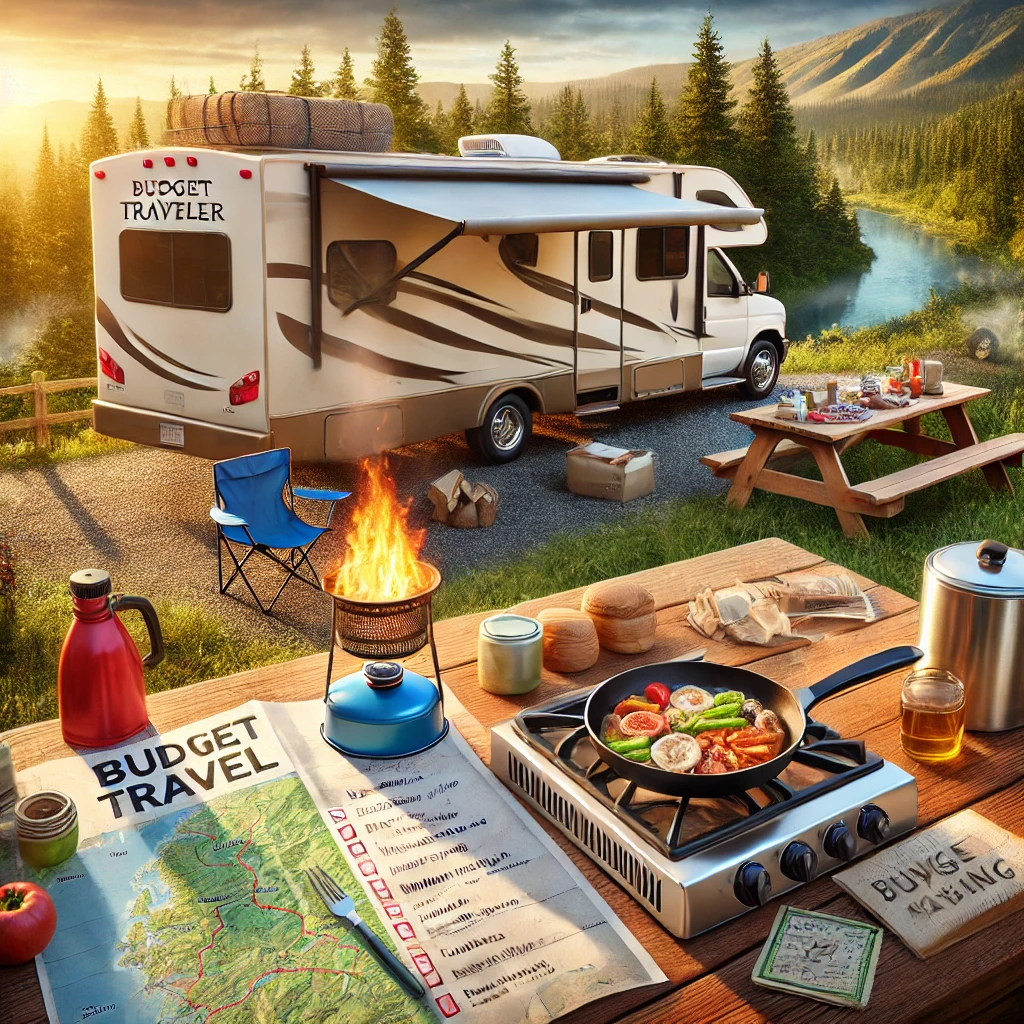
For many, RV travel represents freedom—the ability to hit the open road and explore without the constraints of schedules or expensive hotels. But that freedom comes with costs, from fuel and campground fees to maintenance and meals.
The good news? You don’t have to spend a fortune to enjoy incredible RV adventures. With a few smart strategies, you can cut costs, stretch your budget, and make every mile count—without sacrificing comfort or fun.
Here’s how to keep your expenses low while maximizing your travel experience.
1. Find Cheap or Free Campsites
Campground fees can range from $25 to $100 per night, but you don’t always have to pay that much!
Best Ways to Save on Camping:
✅ Boondocking (Dry Camping) – Stay for free on public lands like BLM areas, national forests, and dispersed camping spots. Check websites like Campendium, FreeCampsites.net, and iOverlander for locations.
✅ Harvest Hosts & Boondockers Welcome – Stay for free at wineries, farms, breweries, and private properties in exchange for supporting the business.
✅ State Parks & National Forests – Often cheaper than RV resorts, typically $10-$35 per night with beautiful scenery.
✅ RV Memberships & Discount Clubs – Consider joining Passport America, Good Sam, or Thousand Trails for discounted rates at participating campgrounds.
💡 Pro Tip: If you prefer campgrounds with hookups, look for weekly or monthly discounts—they can cut costs significantly compared to nightly rates.
2. Cut Down on Fuel Costs
Fuel is one of the biggest expenses for RVers, but there are ways to stretch every gallon.
How to Save on Gas:
✅ Use Fuel Discount Programs – Open Roads, GasBuddy, and TSD Logistics offer savings at truck stops and major gas stations.
✅ Drive Smart – Maintain a steady speed, avoid sudden braking, and keep tires properly inflated to improve fuel efficiency.
✅ Travel Less, Stay Longer – Instead of hopping from place to place, stay in one spot for a week or more to save on fuel.
✅ Plan Your Route Wisely – Avoid unnecessary detours, toll roads, and steep mountain passes that eat up gas.
💡 Pro Tip: Apps like GasBuddy and Gas Guru help find the cheapest fuel along your route.
3. Save Money on Food & Groceries
Eating out on the road adds up quickly—a single meal can cost $15-$30 per person! Cooking in your RV saves hundreds of dollars each month.
Budget-Friendly Food Hacks:
✅ Meal Prep & Batch Cooking – Plan meals ahead and cook in bulk to avoid expensive fast food stops.
✅ Shop at Discount Grocery Stores – Look for ALDI, Walmart, and Costco to stock up on affordable pantry staples.
✅ Use an Instant Pot or Slow Cooker – Save time, energy, and propane by cooking multiple meals at once.
✅ Buy Local Produce – Visit farmers’ markets and roadside stands for fresh, cheap, and local food.
💡 Pro Tip: Stock your RV pantry with long-lasting essentials like rice, pasta, beans, canned goods, and frozen veggies for easy, budget-friendly meals.
4. Be Smart About RV Maintenance & Repairs
Unexpected breakdowns can be costly. Preventative maintenance is key to avoiding expensive emergency repairs.
Money-Saving RV Maintenance Tips:
✅ Do Basic Maintenance Yourself – Learn to change oil, check fluids, replace filters, and inspect tires instead of paying a mechanic.
✅ Carry Spare Parts – Keep fuses, hoses, and a tire patch kit to avoid paying premium prices on the road.
✅ Watch for Deals on Service & Repairs – Some RV dealerships offer off-season discounts for maintenance.
✅ Use Mobile RV Technicians – They often charge less than dealerships and come to you for repairs.
💡 Pro Tip: Download YouTube tutorials and DIY repair guides before hitting the road—you’ll be surprised how many fixes you can handle yourself!
5. Slash Internet & Entertainment Costs
If you work remotely or stream movies on the road, you’ll need a solid internet connection—but data plans can be expensive.
Affordable Internet & TV Options:
✅ Use Free WiFi – Many libraries, coffee shops, and visitor centers offer free internet.
✅ RV Internet Plans – Consider Visible (Verizon), AT&T Prepaid, or T-Mobile’s Magenta Plan for affordable unlimited data.
✅ Streaming Over Satellite? No Thanks! – Instead of paying for expensive satellite TV, use Netflix, Hulu, and Amazon Prime on a cheap mobile hotspot.
✅ Swap Out Gym Memberships – Use apps like AllTrails and YouTube workouts for free outdoor fitness options.
💡 Pro Tip: Look for cellular boosters (like WeBoost) to improve weak signals in remote areas.
6. Travel During Off-Peak Seasons
RV parks and campgrounds charge premium rates in summer and during holidays. Traveling in the off-season can save 50% or more on camping fees.
Best Ways to Save by Traveling Off-Peak:
✅ Avoid Major Holidays & Peak Summer Months – Prices skyrocket from May to September.
✅ Explore Less Popular Destinations – National parks and tourist hotspots cost more—try lesser-known state parks and hidden gems instead.
✅ Look for Seasonal Discounts – Some campgrounds offer lower rates in fall and winter.
💡 Pro Tip: If you must travel during peak season, book early to lock in lower rates before they rise.
7. Find Extra Income on the Road
Want to travel full-time but worried about money? Many RVers work remotely, pick up seasonal jobs, or monetize their travel skills.
Ways to Earn Money While RVing:
✅ Workamping – Trade campground work for free stays.
✅ Remote Work & Freelancing – Work as a writer, designer, virtual assistant, or online teacher.
✅ Sell Handmade Items – Many travelers sell crafts or run online stores.
✅ Campground Host Jobs – Some parks offer free stays for hosts who work part-time.
💡 Pro Tip: Websites like Workamper News, Upwork, and RVillage offer great opportunities for earning on the road.
Final Thoughts: Travel More, Spend Less
RVing doesn’t have to be expensive—with the right strategies, you can stretch your budget and travel more for less.
By boondocking, cooking your own meals, cutting fuel costs, and finding affordable internet and entertainment, you’ll enjoy more adventures while keeping your wallet happy.
Where Will You Go Next?
No matter where you’re headed, these budget-friendly tips will help you see more, spend less, and make the most of your RV lifestyle.