Imagine hitting the open road, ready for adventure, only to face tire blowouts or poor handling because your RV is overloaded. Knowing your RV's weight limits isn’t just about following the rules—it’s about keeping your journey safe, smooth, and enjoyable. Understanding how much your rig can carry and how to manage that weight ensures you’re traveling confidently without unnecessary risks. Here’s what you need to know to keep your adventures safe and worry-free.
1. Key RV Weight Terms to Know
- Gross Vehicle Weight Rating (GVWR): The maximum weight your RV can safely handle, including the vehicle itself, passengers, cargo, and fluids.
- Unloaded Vehicle Weight (UVW): The weight of the RV as it comes from the manufacturer, without any cargo, passengers, or water.
- Cargo Carrying Capacity (CCC): The maximum weight of all items you can load into the RV, calculated as GVWR minus UVW.
- Gross Combined Weight Rating (GCWR): The total weight your RV and any towed vehicle can safely carry.
- Axle Weight Rating (AWR): The maximum weight each axle can bear, which ensures even weight distribution.
Pro Tip: These numbers can typically be found on a sticker inside your RV, often near the driver’s seat or entry door.
2. Why Weight Limits Matter
Ignoring your RV’s weight limits can lead to:
- Tire Blowouts: Overloaded tires are more likely to fail.
- Poor Handling: Excess weight can make your RV harder to steer or stop.
- Increased Wear and Tear: Overloading puts extra strain on your RV’s engine, suspension, and brakes.
- Legal Issues: Being overweight can result in fines if caught during a roadside inspection.
3. How to Stay Within Safe Limits
Weigh Your RV Regularly
Use a public weigh station or a portable RV scale to measure the weight of your fully loaded rig, including passengers, cargo, and fluids.
Distribute Weight Evenly
Avoid overloading one side of your RV by distributing items evenly. Place heavier items low to improve stability.
Lighten Your Load
- Carry only essential gear.
- Empty holding tanks before traveling unless necessary.
- Pack lightweight camping gear and use collapsible items to save space and weight.
Check Towing Capacities
If towing a trailer or vehicle, ensure your RV’s hitch and towing setup can handle the additional weight.
4. Know Your Tire Pressure
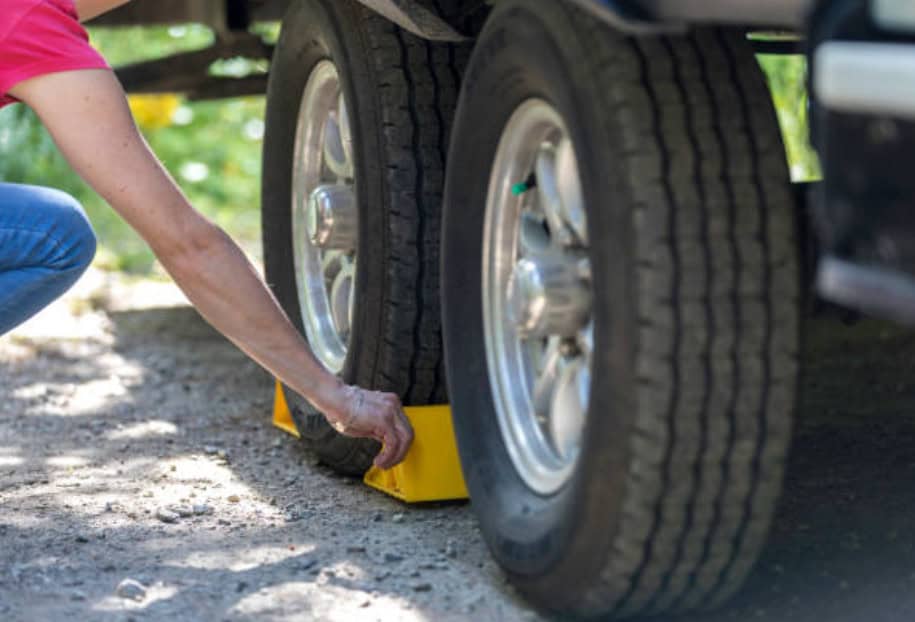
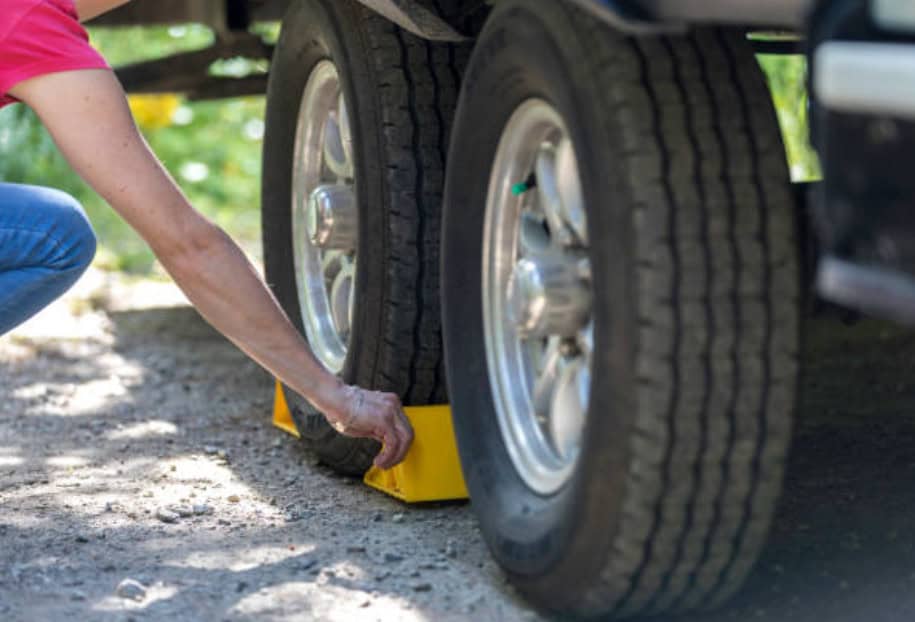
Properly inflated tires are critical for supporting your RV’s weight. Check tire pressure regularly and adjust it based on the manufacturer’s recommendations, which may vary depending on your load.
Final Thoughts
Your RV is your ticket to freedom, but freedom comes with responsibility. By understanding and respecting weight limits, you’ll not only keep your RV in great shape but also ensure every mile of your journey is safe and enjoyable. With the right approach, you can focus on the adventure ahead without worrying about what’s behind.
Safe travels and happy RVing! 🚐✨