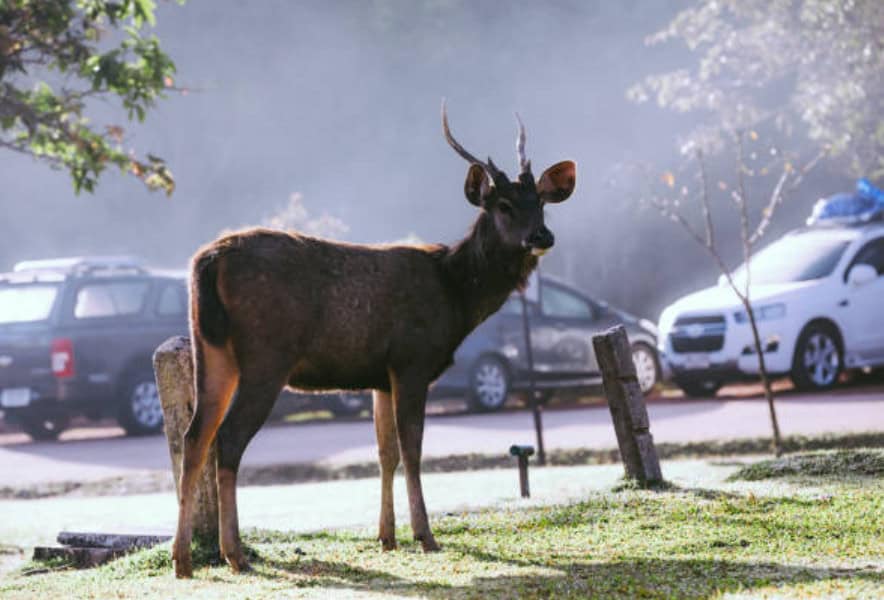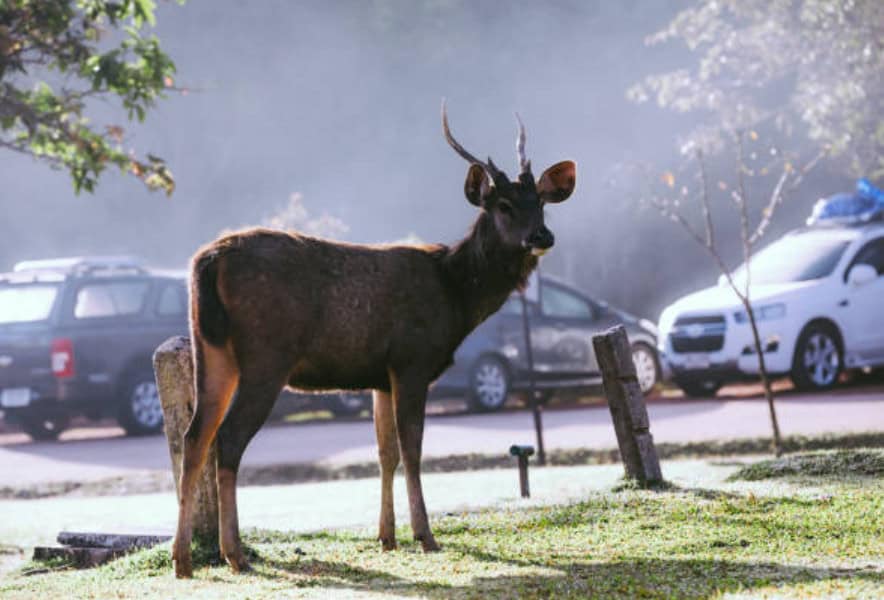
Deer are majestic creatures often spotted on camping trips and scenic drives. While their presence adds to the charm of outdoor adventures, they can also pose risks, especially when crossing roads unexpectedly or interacting with campsites. Understanding deer behavior is key to ensuring your safety and theirs. Here’s how you can better predict deer actions and take precautions to stay safe during your outdoor adventures.
Why Understanding Deer Behavior Matters
Deer are wild animals with instincts that may not align with human activities. Their unpredictable movements and tendency to freeze when startled can lead to dangerous situations, particularly on the road. By learning how deer behave, you can reduce the risk of accidents and coexist peacefully with these beautiful animals.
1. When and Where Deer Are Most Active
Dawn and Dusk: The Danger Zones
- Deer are crepuscular, meaning they are most active at dawn and dusk. During these times, they search for food and move between feeding and bedding areas.
- Tip: If you’re driving during these hours, stay extra vigilant and reduce your speed in areas with deer crossing signs.
Seasonal Activity
- Mating Season (Rut): From late fall to early winter, deer are more active and less cautious as they search for mates. This increases the likelihood of crossing roads or appearing unexpectedly.
- Spring and Summer: Does with fawns may move cautiously but can be protective and unpredictable.
2. Understanding Deer Movement
Why Deer Freeze in Headlights
Deer freeze when startled because their eyes are adapted to see well in low light. When headlights blind them, they pause to process the sudden brightness, making them appear frozen.
What You Can Do:
- Slow down when you see a deer on or near the road. Flash your headlights to encourage them to move.
Traveling in Groups
Deer rarely travel alone. If you see one, chances are there are more nearby.
- Tip: Look for additional deer after spotting one, especially if it’s crossing a road.
3. Reducing Risks While Driving
Pay Attention to Signs
Deer crossing signs are placed in areas with a high likelihood of deer activity. Treat these warnings seriously, especially during dawn, dusk, or the rut season.
Use High Beams When Possible
At night, use your high beams to increase visibility. This helps you spot deer sooner, but dim them when approaching other vehicles.
Avoid Swerving
If a deer appears suddenly, it’s safer to brake than to swerve. Swerving can lead to losing control of your vehicle or colliding with another car.
4. Deer Behavior Around Campsites
Deer are naturally curious and may wander into campgrounds searching for food. While it’s tempting to feed or approach them, it’s important to keep your distance.
How to Prevent Deer from Entering Your Campsite:
- Secure Food and Trash: Keep food in sealed containers and dispose of trash in wildlife-proof bins.
- Avoid Feeding Wildlife: Feeding deer makes them more reliant on humans and can alter their natural behaviors.
- Create Noise: Clap, talk loudly, or use a whistle if deer come too close. This encourages them to move away without harm.
5. How to Handle a Close Encounter
If you come face-to-face with a deer, remain calm. Avoid sudden movements or loud noises that might startle it. Give the deer space to retreat naturally.
What to Do If a Deer Approaches:
- Step back slowly and avoid making direct eye contact.
- Keep pets leashed to prevent them from chasing or provoking the deer.
- Use a flashlight or wave your arms gently to encourage the deer to move away.
6. Technology and Tools to Stay Safe
Deer Whistles for Vehicles
Some drivers use deer whistles attached to their cars. These devices emit high-pitched sounds intended to warn deer of an approaching vehicle. While their effectiveness is debated, they can be an added precaution.
Motion-Activated Lights
In campsites, motion-activated lights can deter deer from wandering too close. These lights startle them without causing harm.
7. Respecting Deer and Their Habitat
Camping and traveling often bring us into deer territory. It’s important to remember that we are visitors in their home. Here are ways to minimize your impact:
- Stick to designated trails and campgrounds to avoid disturbing their natural habitats.
- Observe from a distance—use binoculars or a camera with a zoom lens for a closer look without getting too close.
- Educate others about the importance of respecting wildlife to ensure everyone enjoys a safe and harmonious experience.
Final Thoughts
Understanding deer behavior is about more than just staying safe—it’s about appreciating and respecting these incredible creatures. Whether you’re driving through a wooded area, hiking, or setting up camp, being mindful of their habits can prevent accidents and enhance your outdoor experience.
By staying alert, taking precautions, and practicing responsible behavior, you can enjoy the beauty of nature while keeping yourself, your passengers, and the wildlife safe. Happy exploring! 🌲🦌✨