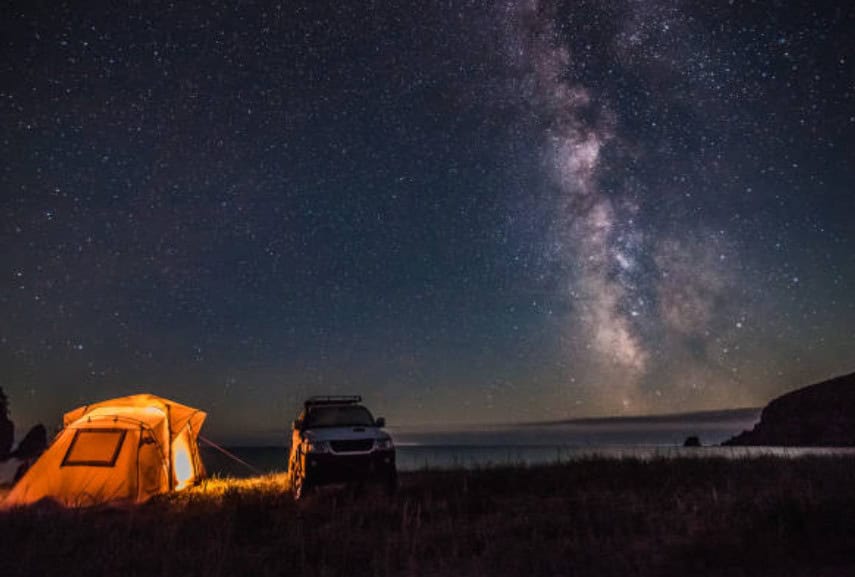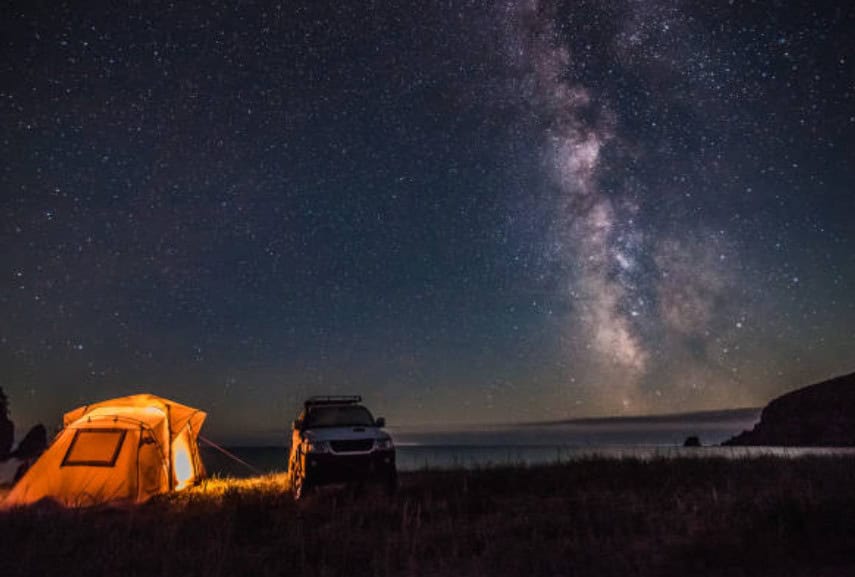
There’s something magical about staring up at the night sky, where countless stars sparkle against a blanket of darkness. Camping and stargazing go hand in hand, offering a perfect escape from city lights and distractions. Whether you’re an astronomy enthusiast or simply love the beauty of the cosmos, here are top tips to help you create an unforgettable stargazing experience during your camping adventure.
1. Choose the Right Campsite
The first step to an amazing stargazing experience is selecting the perfect location.
- Find Dark-Sky Areas: Look for campgrounds away from urban areas and light pollution. Dark Sky Parks, designated by the International Dark-Sky Association, are ideal for clear, unobstructed views of the stars.
- Check the Horizon: Pick a campsite with an open horizon, free of trees or mountains, to maximize visibility.
- Avoid Campfire Smoke: Set up your stargazing area away from campfires to prevent smoke from obstructing your view.
Some top stargazing spots in the U.S. include Joshua Tree National Park, Big Bend National Park, and Cherry Springs State Park.
2. Time It Right
The timing of your stargazing adventure can make or break the experience.
- Check the Moon Phase: A new moon or crescent moon provides the darkest skies, allowing stars to shine brighter. Full moons, while beautiful, can wash out fainter stars.
- Monitor the Weather: Clear skies are essential for stargazing. Use apps like AccuWeather or Clear Outside to check forecasts for cloud cover.
- Consider Seasonal Highlights: Different times of the year bring different celestial events. For example, the Perseid meteor shower peaks in August, while winter skies showcase constellations like Orion and Gemini.
Planning around these factors ensures you get the best view possible.
3. Bring the Right Gear
You don’t need fancy equipment to enjoy stargazing, but a few essentials can enhance the experience.
- Comfortable Seating: Bring camping chairs, blankets, or even sleeping bags to lie back and relax.
- Binoculars or Telescope: While not necessary, these tools can help you see planets, craters on the moon, and distant star clusters.
- Star Map or App: Use a physical star map or apps like SkyView, Stellarium, or Star Walk to identify constellations and planets in real time.
- Red-Filter Flashlight: A red light preserves your night vision while allowing you to read maps or adjust your setup.
A little preparation goes a long way in making your stargazing session comfortable and enjoyable.
4. Understand the Night Sky
A little knowledge about what you’re looking at can make the experience more meaningful.
- Learn the Basics: Familiarize yourself with major constellations like the Big Dipper, Cassiopeia, and Orion. These can act as signposts to find other celestial objects.
- Look for Planets: Bright planets like Venus, Mars, Jupiter, and Saturn are often visible to the naked eye. Use an app to pinpoint their locations.
- Track Events: Keep an eye out for meteor showers, eclipses, and the Milky Way. These awe-inspiring phenomena can elevate your stargazing experience.
Learning about the cosmos adds depth to your time under the stars.
5. Limit Light Pollution
To fully enjoy the night sky, it’s important to minimize artificial light at your campsite.
- Turn Off Lights: Switch off flashlights, lanterns, and other artificial light sources when not in use.
- Use Campfire Wisely: Keep your fire small and let it burn low during stargazing hours.
- Pick a Dark Spot: Move away from other campers’ lights if they’re too bright.
Darkness is your best friend when it comes to stargazing.
6. Make It Comfortable and Fun
Stargazing should be an enjoyable and relaxing experience for everyone involved.
- Dress Warmly: Even in summer, temperatures can drop significantly at night. Bring layers, hats, and gloves to stay cozy.
- Bring Snacks and Drinks: Hot chocolate, coffee, or marshmallows can make the experience even better.
- Share Stories: Swap star myths and legends around the fire before settling down to look at the stars.
Comfort and entertainment make stargazing memorable, especially for families or groups.
7. Capture the Moment
If you’re into photography, you can preserve your stargazing memories with a little planning.
- Use a Tripod: A steady base is crucial for capturing clear shots of the night sky.
- Adjust Your Settings: Use a camera or phone with manual settings. A low ISO, long exposure, and wide aperture work best for astrophotography.
- Experiment: Take multiple shots and try different compositions to capture stars, planets, or the Milky Way.
Photographing the stars is a fun way to relive the magic of the night.
8. Respect Nature
Stargazing is about enjoying the beauty of the outdoors, so make sure you leave the environment as pristine as you found it.
- Pack Out Trash: Clean up your campsite before you leave.
- Stay Quiet: Keep noise levels low to preserve the peaceful atmosphere and avoid disturbing wildlife.
- Follow Park Rules: Adhere to campground regulations, especially regarding fires and noise.
By respecting nature, you help preserve it for future stargazers.
Final Thoughts
Stargazing at a campsite is a magical experience that combines the beauty of the natural world with the wonder of the cosmos. With the right preparation, gear, and mindset, you can turn any camping trip into an unforgettable night under the stars. So grab your map, pack your gear, and get ready to be amazed by the universe above. Happy stargazing!