Why Campers and Hunters Are on the Same Team When It Comes to National Park Wildlife
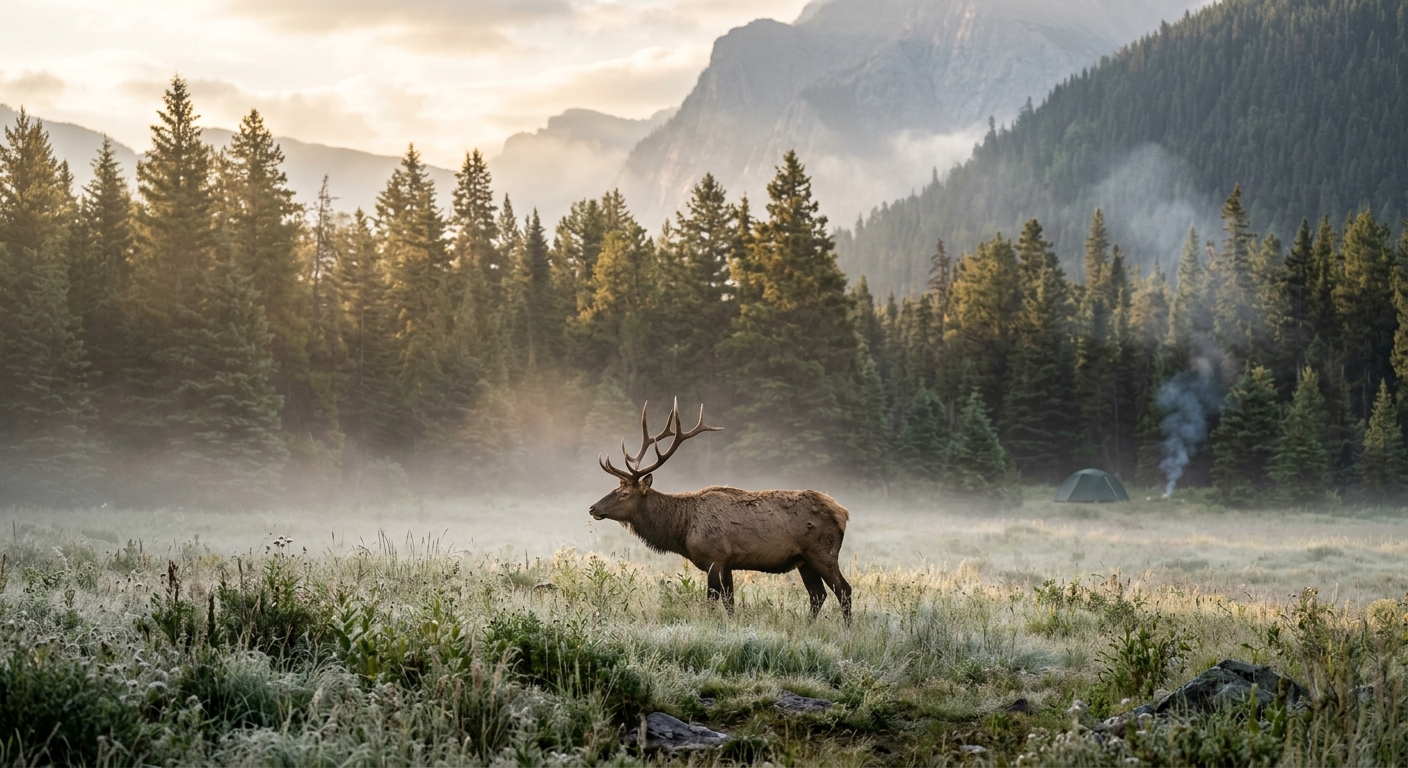
Here's something that might surprise you: a recent wave of public opinion research reveals that American campers, outdoor enthusiasts, and even hunters are largely aligned when it comes to protecting wildlife inside our National Parks. In a world that often feels divided, the great outdoors has a funny way of bringing people together — and this consensus is great news for anyone who's ever sat quietly at a campsite hoping to spot a black bear, a bald eagle, or an elk silhouetted against a golden morning sky.
At CampgroundViews.com, we talk to campers every day who tell us that wildlife encounters are among the most magical moments of their outdoor adventures. So let's dig into what this unity means for you as a camper — and how you can be part of the movement to keep our National Parks wild and wonderful for generations to come.
The Shared Values Behind Wildlife Protection
Whether you're an RV traveler rolling into Yellowstone, a tent camper setting up at Great Smoky Mountains, or a hunter with deep roots in conservation tradition, most Americans share a profound respect for wildlife in protected lands. National Parks have always been a unique space — a place where animals roam freely and human visitors are the guests, not the other way around.
This shared appreciation creates a powerful foundation for wildlife stewardship. And as a camper, you're already part of that story every time you choose to observe rather than disturb, to photograph rather than approach, and to pack out rather than leave behind.
Practical Tips for Being a Wildlife-Friendly Camper
Knowing that most people want to protect park wildlife is inspiring — but what does that actually look like on the ground? Here are some actionable ways to make your campsite and your adventures part of the solution:
- Store food properly, every single time. Bear canisters and bear boxes aren't optional suggestions — they're wildlife lifesavers. Habituated bears, the ones that associate campgrounds with food, almost always end up euthanized. Your campsite habits directly impact animal survival.
- Respect the distance rules. Most National Parks require you to stay at least 25 yards from most wildlife and 100 yards from bears and wolves. Use binoculars or a zoom lens — a distant sighting is infinitely better than a dangerous one.
- Never feed wildlife. It seems obvious, but even leaving crumbs on a picnic table counts. Feeding wildlife disrupts natural foraging behavior and can make animals aggressive and dependent on humans.
- Stay on designated trails. Wandering off-trail doesn't just damage vegetation — it can disturb nesting birds, denning mammals, and other sensitive wildlife during critical periods.
- Keep pets leashed and controlled. Even a friendly dog can stress local wildlife significantly, disrupting feeding patterns and territorial boundaries.
Choosing Campgrounds That Put Wildlife First
One of the best ways to support wildlife-friendly camping is to do your research before you arrive. Not all campgrounds are created equal when it comes to their proximity to sensitive wildlife corridors, their bear-safe infrastructure, or their commitment to Leave No Trace principles.
That's where CampgroundViews.com becomes your secret weapon. With over 28,000 campgrounds listed and 3,600+ virtual tours, you can scout your campsite before you ever leave the driveway. Look for campgrounds that highlight wildlife viewing opportunities responsibly, have proper food storage facilities, and sit within or adjacent to protected lands. Our virtual tours let you see the actual terrain, tree cover, and layout — so you know exactly what kind of wildlife habitat you're stepping into.
Your Presence Is a Vote for Wild Places
Every camping trip you take to a National Park or protected land sends a message: these places matter. The fact that Americans — across all outdoor recreation communities — agree on the importance of protecting park wildlife tells us something profound. We may argue about a lot of things, but the sight of a wolf trotting across a meadow or a family of deer grazing at dusk? That's something worth protecting together.
Go explore. Go watch. Go be amazed. And leave it wilder than you found it.