Enjoying hot water for showers, washing dishes, and other activities is a crucial aspect of RV living. However, if your RV water heater isn't providing water at the desired temperature, it can be frustrating. In this troubleshooting guide, we will explore common reasons why your RV water heater may not be getting hot enough and offer solutions to help you get back to enjoying comfortably warm water in your RV.
- Check the Temperature Setting
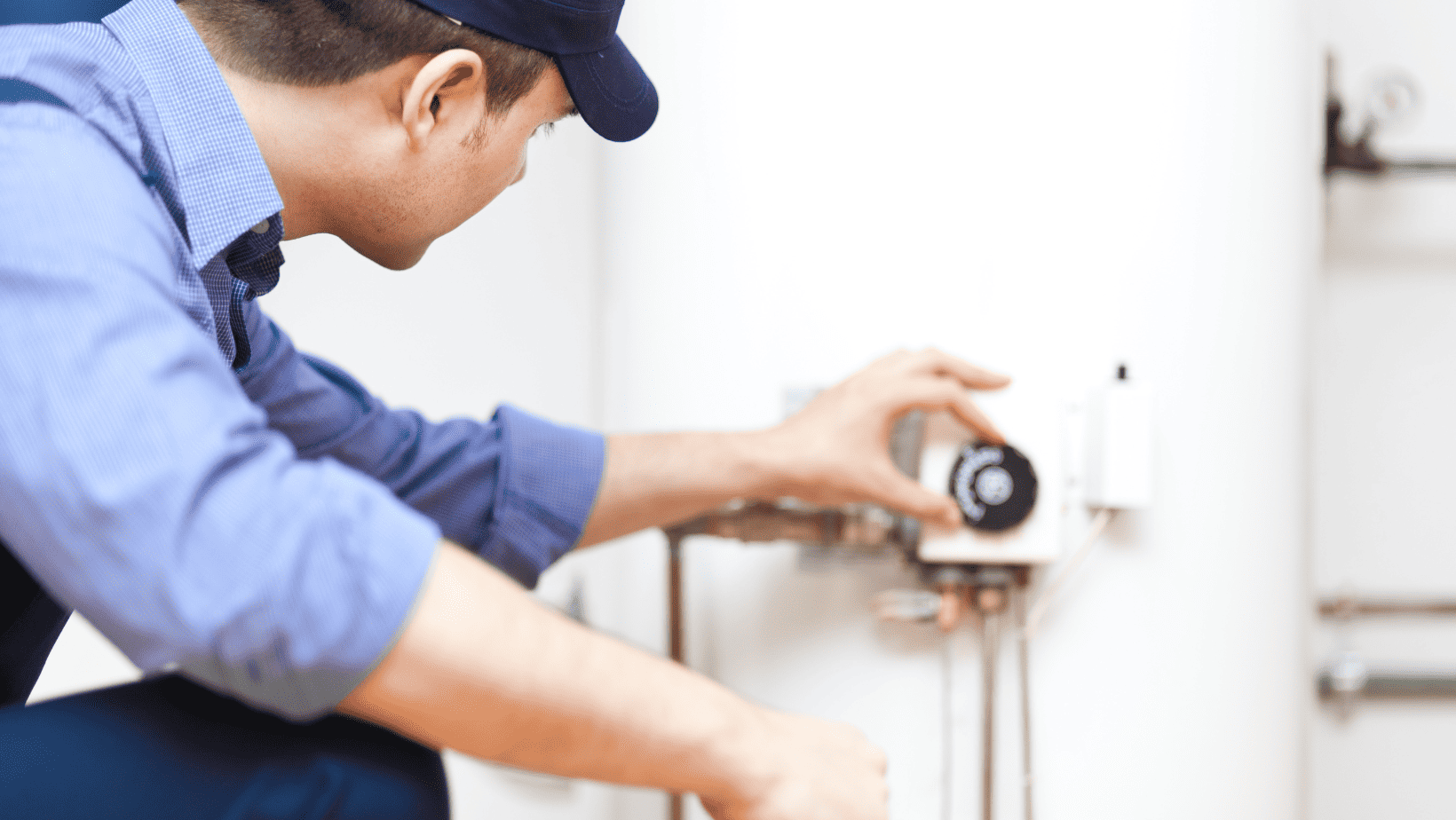
Start by checking the temperature setting on your RV water heater. Many water heaters have an adjustable thermostat that allows you to control the water temperature. Ensure that the thermostat is set to your desired temperature.
- Verify Power Source
RV water heaters can be powered by either propane or electricity, or sometimes both. If you're not getting hot water, check if the water heater is getting power from the selected source. Here's what to look for:
- Propane: Ensure that your propane tank is filled and that the propane system is functioning correctly. Check for any propane leaks or issues with the propane supply.
- Electricity: If your RV has an electric water heater element, confirm that the RV is properly connected to a power source. Check the circuit breaker or fuse for any tripped or blown circuits.
- Wait for Heating Time
RV water heaters may take some time to heat the water to your desired temperature, especially if the tank is cold or has been recently emptied. Allow the water heater sufficient time to heat the water before assessing its temperature.
- Check for Bypass Valves
Some RVs have bypass valves in the plumbing system that can divert hot water away from the tank. Make sure that the bypass valves are in the correct position to allow water to flow into the water heater.
- Inspect the Anode Rod
An anode rod is a sacrificial component that helps prevent corrosion inside the water heater tank. If it's heavily corroded or depleted, it may affect the water heater's efficiency. Consider replacing the anode rod if necessary.
- Flush the Tank
Mineral deposits and sediment can accumulate in the water heater tank over time, reducing its heating efficiency. Periodically flushing the tank can help remove these deposits and improve heating performance.
- Check for Leaks
Inspect the water heater and its connections for any signs of leaks. Leaks can result in the loss of hot water and should be promptly repaired.
- Consider Altitude
If you're camping at high altitudes, it may take longer for your water heater to heat water to the desired temperature due to reduced air pressure. Adjust your expectations accordingly.
- Consult the Manufacturer's Manual
Refer to your RV's water heater manual for specific troubleshooting steps and maintenance recommendations. The manual can provide valuable insights into your water heater's operation and troubleshooting procedures.
Conclusion
A lack of hot water in your RV can be frustrating, but with some troubleshooting and maintenance, you can often resolve the issue and enjoy hot showers and clean dishes once again. Start by checking the temperature setting and power source, and then work through the steps mentioned in this guide to identify and address the specific problem causing your RV water heater not to get hot enough. If you're unsure or unable to resolve the issue on your own, consider seeking assistance from a qualified RV technician to ensure your water heater operates efficiently and reliably.