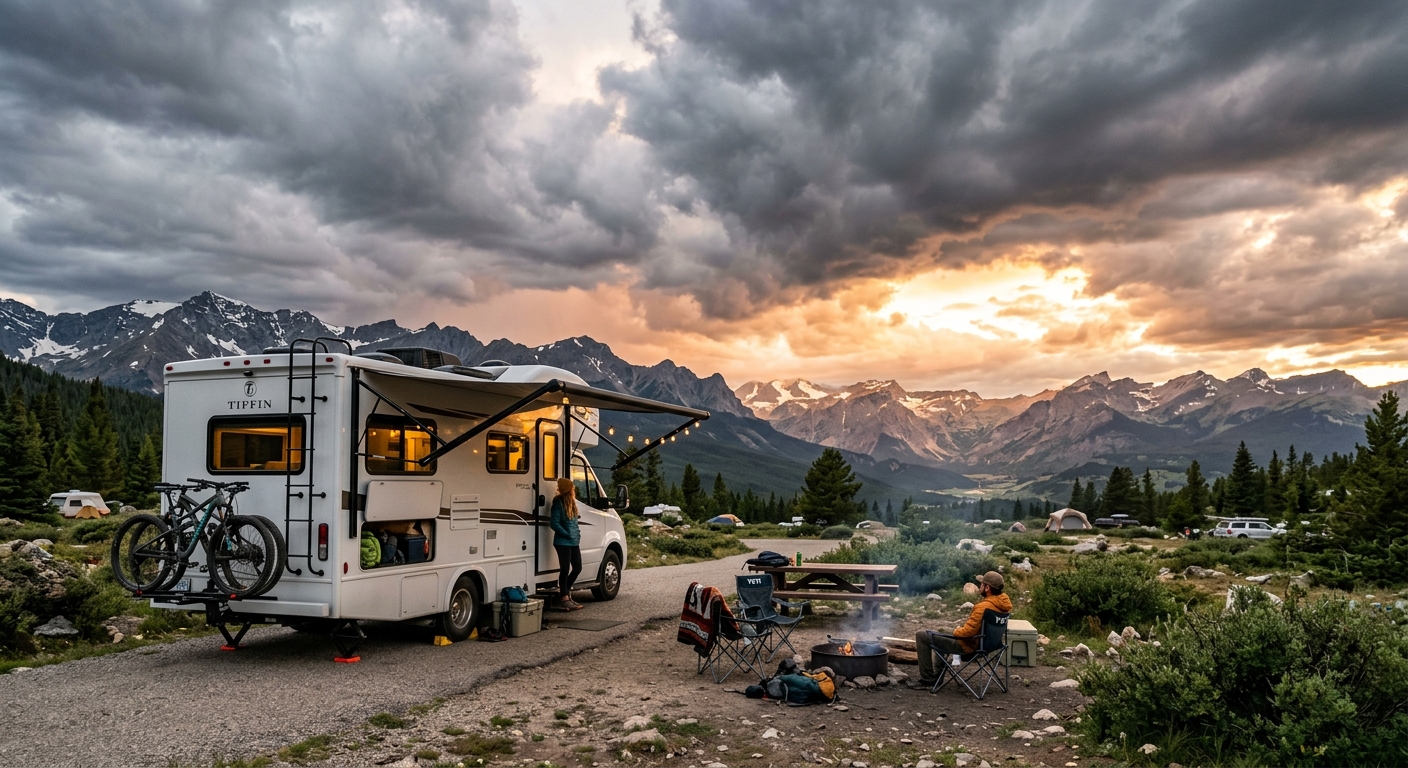
When Paradise Hits Pause: What RV Travelers Need to Know About Tropical Storm Closures
The news out of Hawaii is a sobering reminder that even the most breathtaking camping destinations on Earth can be shut down in an instant. Tropical Storm Nolo has triggered closures across state parks, forest lands, and campgrounds on Hawaiʻi Island, Maui, and Molokaʻi — leaving campers scrambling and travel plans in turmoil. While most of us aren't rolling our rigs across the Pacific, this situation is a powerful wake-up call for every RV traveler and tent camper: storm season preparedness isn't optional. It's part of the adventure.
Whether you're chasing sunshine in the Southeast, cruising the Gulf Coast, or exploring the Pacific Northwest, tropical storms, hurricanes, and severe weather events can affect campgrounds anywhere. Here's how to stay one step ahead — and keep your camping trips safe, flexible, and fun.
Always Check Campground Status Before You Roll Out
One of the biggest mistakes RV travelers make is assuming a reservation equals a guaranteed campsite. Nature doesn't care about your booking confirmation. Before any trip, especially during summer and fall storm seasons, make it a habit to:
- Check official state park websites for emergency closures and alerts at least 48–72 hours before departure.
- Monitor NOAA's National Weather Service for tropical storm watches and warnings in your destination area.
- Use CampgroundViews.com to research your campground thoroughly — including reading reviews from fellow campers who've experienced the site during different seasons and weather conditions.
- Call the campground directly the day before arrival. A quick phone call can save you hundreds of miles of wasted driving.
Build a Flexible Itinerary — Always Have a Plan B
Seasoned RVers live by a golden rule: never fall so in love with one destination that you can't pivot. When Tropical Storm Nolo forced closures across multiple Hawaiian islands simultaneously, campers with rigid itineraries were left with nowhere to go. Those with backup plans simply adjusted course.
Before any trip during storm season, identify at least two or three alternative campgrounds within a reasonable driving radius of your primary destination. CampgroundViews.com makes this surprisingly easy — with 28,000+ campgrounds listed across North America and virtual tours that let you scout backup sites from your couch before you ever leave home. You can visually explore a campground's layout, elevation, and surrounding terrain to determine whether it's a safe and suitable storm-season alternative.
Know Your RV's Limits in Severe Weather
Even if a campground remains open during threatening weather, that doesn't always mean it's wise to stay. RVs present unique vulnerabilities during tropical storms and high-wind events that stick-and-brick homes simply don't face.
- High winds are your biggest enemy. Most Class A and Class C motorhomes become dangerously unstable in sustained winds above 60 mph. Slide-outs should be retracted when wind warnings are issued.
- Avoid low-lying campgrounds near rivers or coastal areas during heavy rain events — flash flooding can happen with terrifying speed.
- Trees are a hidden hazard. Beautifully wooded campsites can become deadly when storm-weakened branches — or entire trees — come down. Seek open, elevated ground when severe weather threatens.
- Monitor your tire pressure and roof seals before storm season begins. A compromised roof can turn a manageable rainstorm into a catastrophic interior flood.
What to Keep in Your Storm Prep Kit
Every RV should have a dedicated storm preparedness kit stocked and ready before storm season kicks off each year. At minimum, pack:
- A battery-powered or hand-crank NOAA weather radio
- At least 72 hours of food and fresh water for every person and pet on board
- Extra medications and a comprehensive first aid kit
- Flashlights, backup batteries, and portable power banks
- Physical paper maps of your travel region (GPS fails when cell towers go down)
- Emergency contact numbers for campgrounds, local emergency management, and roadside assistance
The Silver Lining: Storms Make Us Smarter Campers
Events like Tropical Storm Nolo's impact on Hawaii's incredible camping lands are heartbreaking — but they teach us something valuable. The outdoors is wild, dynamic, and ultimately in charge. The best campers aren't the ones who never face adversity; they're the ones who prepare thoughtfully, stay flexible, and use every resource available to make smart decisions on the road.
Before your next adventure, spend some time on CampgroundViews.com exploring your destination and backups alike. A little research before you hitch up your rig could make all the difference when the skies turn dark and nature decides to remind you who's really in charge.
Stay safe out there, and happy (and storm-smart) camping!