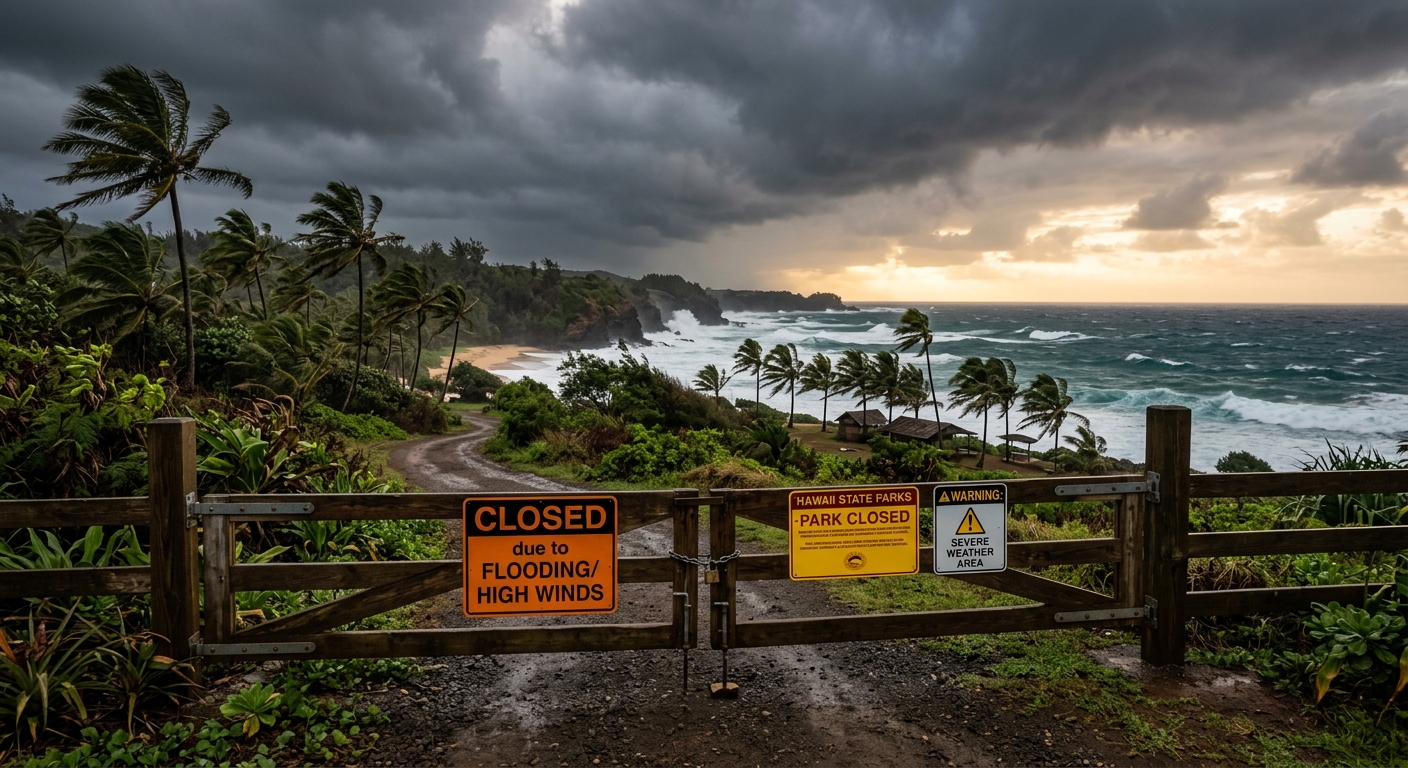
When Nature Changes Your Camping Plans: Navigating Weather-Related Closures
Nothing stings quite like a cancelled camping trip — especially when you've been dreaming about stargazing from a Hawaiian beach or hiking through lush forest trails. But as Tropical Storm Nolo recently reminded campers across Hawaiʻi Island, Maui, and Molokaʻi, state parks and forest lands can close with little warning when severe weather rolls in. These closures aren't just bureaucratic inconveniences — they're life-saving decisions made to protect you, fellow campers, and the land itself.
Whether you're planning a trip to the Pacific, the Gulf Coast, or anywhere storms like to wander, here's how to stay smart, stay safe, and stay ready when weather threatens your outdoor adventure.
Monitor Conditions Before You Ever Leave Home
The best emergency preparation starts weeks before your trip — not the night before a storm makes landfall. Here's how to build weather awareness into your camping routine:
- Check the National Weather Service (weather.gov) for your destination region at least 7–10 days out, and daily as your trip approaches.
- Sign up for alerts from the managing agency — whether that's your state's DLNR, the National Park Service, or the U.S. Forest Service. Many agencies post closures on social media and their websites within hours of a developing threat.
- Know your campground's cancellation policy before you book. Weather-related closures often qualify for full refunds, but only if you understand the process ahead of time.
- Use CampgroundViews.com to virtually scout your campground before arrival. Our 3,600+ virtual tours let you assess terrain, nearby water features, and potential flood-prone areas — invaluable knowledge when you're evaluating storm risk.
Understanding Why Closures Happen (And Why You Should Respect Them)
When agencies like Hawaiʻi's DLNR shutter campgrounds and forest lands during a tropical storm, they're responding to a cascade of real dangers: flash flooding, falling trees and branches, storm surge near coastal sites, rapidly rising streams, and roads that can become impassable in minutes. Remote camping areas present an especially serious challenge — emergency responders may not be able to reach you even if you call for help.
Ignoring a closure order doesn't just put you at risk. It pulls rescue personnel into dangerous situations and can result in hefty fines or bans from future camping in that park system. Respect the call. The campground will still be there when the storm passes.
What to Do When You Get the Closure Notice
So your trip is officially on hold. Here's a calm, practical game plan:
- Contact the booking platform immediately. Document the official closure notice from the agency and submit your cancellation request with that proof attached.
- Look for nearby alternatives on higher ground. CampgroundViews.com makes it easy to search campgrounds by region — you may find an inland site outside the storm's path that still delivers a great experience.
- Reschedule, don't abandon. Hawaiʻi's state parks, for example, are breathtaking after a storm clears — waterfalls run fuller, air smells cleaner, and crowds thin out. Use the closure as a reason to rebook, not give up.
- Check for post-storm damage reports before heading out after a closure is lifted. Trails may have debris, campsites may need cleanup, and access roads can remain compromised for days.
Build a Camping Weather Emergency Kit
Even when weather doesn't force a full closure, conditions can deteriorate fast at your campsite. Keep these essentials on hand:
- A battery-powered or hand-crank NOAA weather radio
- A waterproof stuff sack for documents, electronics, and valuables
- Extra guy lines and storm stakes for your tent
- A pre-planned evacuation route from every campsite you visit
- At least one extra day of food and water in case you need to shelter longer than planned
The Silver Lining of Weather Closures
Here's a truth seasoned campers know well: the lands that close during storms are often the most spectacular places on Earth. Hawaiʻi's forests and coastlines earn their drama precisely because of the powerful weather systems that shape them. A closure today means those places are being protected for your future adventure.
Use the downtime to explore CampgroundViews.com's virtual tours, plan your rain-check trip in detail, and come back better prepared than ever. The campfire — and those stars — will be waiting.