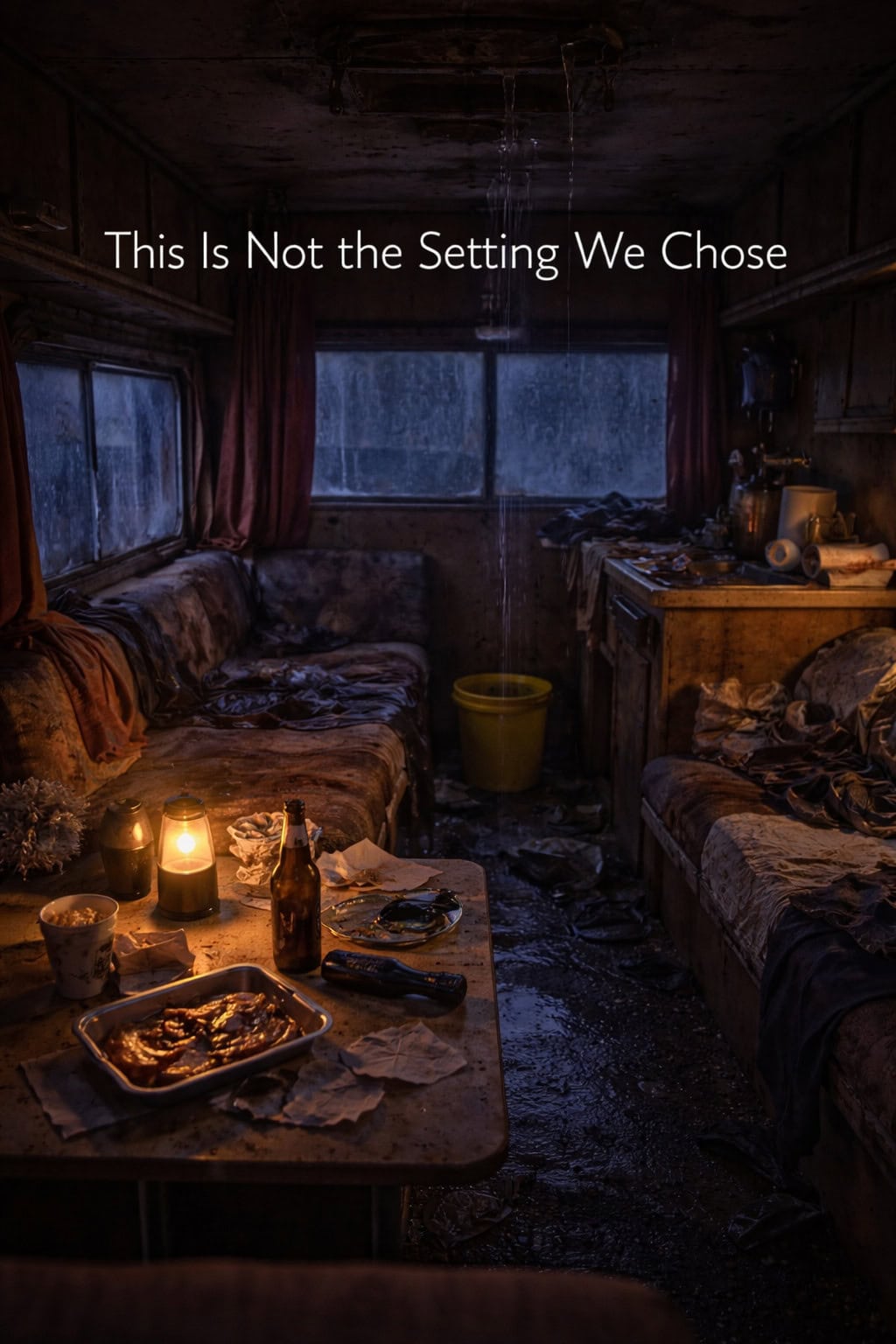
(And yet, here we are.)
You remember making a selection.
You were deliberate.
You were confident.
And now—after observing the current behavior—you realize:
This is not the setting we chose.
🧠 1. The Selection Was Intentional
This wasn’t a mis click.
You:
-
reviewed options
-
made a conscious choice
-
confirmed it twice
Your memory is correct.
Which makes this unsettling.
🔄 2. The System Has Interpreted Creatively
It did not ignore you.
It translated.
And the translation resulted in:
-
a different mode
-
an adjacent outcome
-
something that feels loosely related
Technically valid. Emotionally incorrect.
😅 3. You Check the Setting Again
Just to be sure.
You confirm:
-
the original selection remains highlighted
-
nothing appears changed
-
reality still disagrees
This confirms it’s not user error.
🧭 4. You Stop Arguing With It
Debate would imply authority.
You do not have it.
You shift strategy from correction to accommodation.
🛠 5. Workarounds Are Considered
Not ideal ones.
Just enough to:
-
restore function
-
reduce annoyance
-
avoid escalation
This is compromise in action.
🧠 6. You Say the Sentence Out Loud
“This is not the setting we chose.”
It’s not accusatory.
It’s explanatory.
Everyone understands what that means.
🧘 7. Acceptance Arrives Gradually
You stop expecting the system to comply.
You adjust behavior instead.
Peace follows.
🧠 8. You Will Remember This Next Time
And you’ll approach the setting with caution.
Experience has been updated.
💬 Final Thoughts
“This is not the setting we chose” isn’t frustration.
It’s recognition.
You identified the mismatch, adjusted expectations, and moved forward without escalating a solvable annoyance.
That’s not surrender.
That’s systems literacy.
🐟 Want fewer settings that reinterpret your choices? Use Campground Views to preview hookups and systems before you arrive—so expectations stay aligned with reality.
🔗 Follow us for more RV life truths, interface-humor realism, and content for people who’ve absolutely double-checked a setting and sighed.