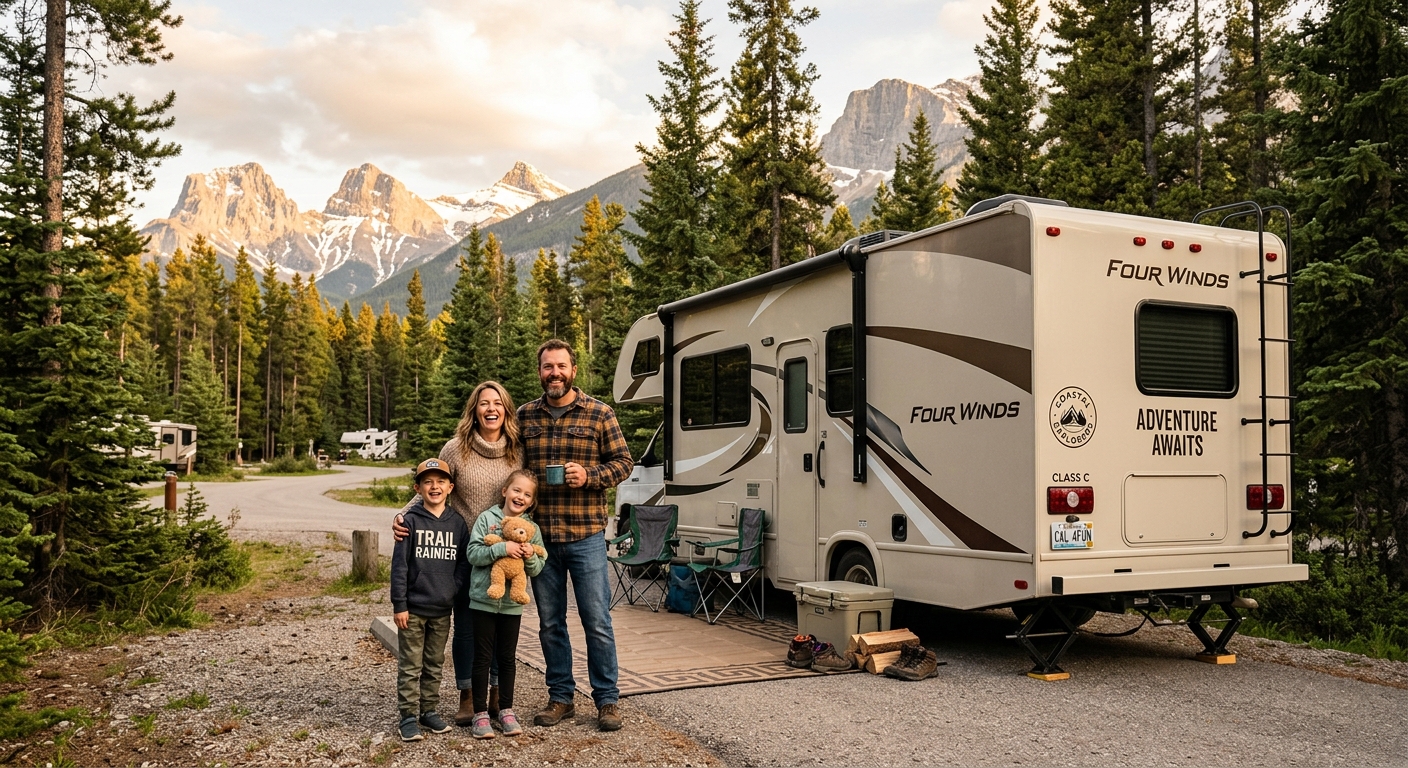
Why RV Size Matters More Than You Think at National Parks
Picture this: you've spent months planning the ultimate family national park road trip. The kids are buzzing with excitement, the cooler is packed, and you've booked your sites weeks in advance. Then you pull into the campground entrance and see the sign: Maximum RV Length: 27 feet. Your 35-foot motorhome suddenly feels a lot less dreamy.
Choosing the right RV length for national park camping isn't just a logistical detail — it's one of the most important decisions you'll make for your trip. Get it right, and you'll glide effortlessly into stunning campsites surrounded by towering pines and mountain views. Get it wrong, and you'll be white-knuckling it down a narrow forest road with nowhere to turn around.
Here at CampgroundViews.com, we've explored hundreds of campgrounds across North America, and we're sharing everything families need to know before they hitch up and head out.
Understanding National Park Campground Limitations
National park campgrounds were largely designed decades ago, long before the era of 45-foot diesel pushers and sprawling fifth wheels. Many feature tight turns, narrow access roads, and sites carved out of natural terrain — which means they weren't built with today's big rigs in mind.
Here's a general breakdown of what you can expect:
- Under 20 feet: Nearly universal access. Small camper vans, truck campers, and pop-ups can fit almost anywhere, including primitive and backcountry-adjacent sites.
- 20–27 feet: The sweet spot for national park camping. Class C motorhomes and shorter travel trailers in this range open up the vast majority of park campgrounds.
- 28–35 feet: Manageable at many parks, but you'll need to research specific campgrounds carefully. Some loops are off-limits, and site selection narrows significantly.
- 35 feet and above: Requires serious advance planning. You may be limited to pull-through sites or specific loops designed for larger rigs — and some parks simply won't accommodate you.
The Family Sweet Spot: 25–30 Feet
For most families, a Class C motorhome or travel trailer in the 25–30 foot range hits the perfect balance between livability and versatility. You'll have enough sleeping space for a family of four or five, a functional kitchen for cooking those campfire favorites, and a bathroom that doesn't require gymnastics to use — all while still fitting comfortably into the majority of national park sites.
Popular options in this range include the Thor Majestic, the Forest River Sunseeker, and a wide variety of mid-size travel trailers from Keystone and Coachmen. These rigs give families room to breathe without sacrificing access to America's most spectacular camping destinations.
Pro Tips for Planning Your National Park RV Trip
Research Before You Reserve
Always check the specific campground's size restrictions before booking. The National Park Service website lists length limits for each campground, but details can be buried. CampgroundViews.com makes this easier by offering 360° virtual tours of campgrounds, so you can actually see the site layout, road width, and surroundings before you arrive — no more nasty surprises at the entrance gate.
Call Ahead When In Doubt
Park rangers are incredibly helpful and happy to answer specific questions about your rig. If you're unsure whether your 32-foot fifth wheel will navigate the loops at a particular campground, a five-minute phone call can save hours of stress.
Book Early — Especially for Summer
Popular national park campgrounds like those at Yellowstone, Yosemite, and the Great Smoky Mountains book up months in advance. Larger rigs with pull-through site requirements are even more competitive. Set calendar reminders for reservation windows and be flexible with your dates.
Consider a Tow Vehicle or Toad
If you have a larger rig, bringing along a small tow vehicle (or a dinghy car for motorhome owners) gives your family the freedom to explore narrow park roads and day-use areas without moving your home base.
The Bottom Line
The best RV for a national park family camping trip isn't necessarily the biggest or the most luxurious — it's the one that gets you into the campgrounds you actually want to visit. Keep your rig in the 25–30 foot range when possible, do your research using tools like CampgroundViews.com's virtual tours, and you'll be setting up camp under the stars in America's most breathtaking places before you know it.