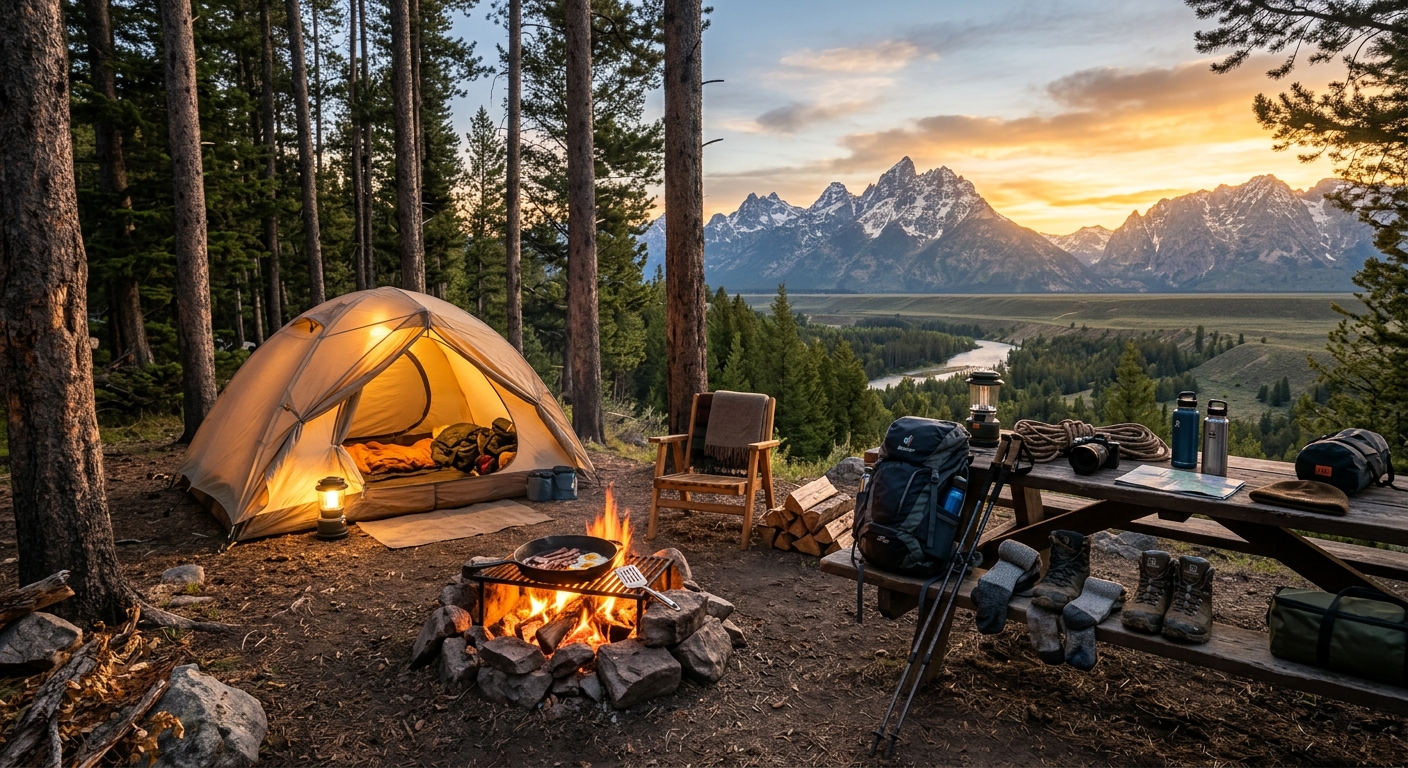
What Three Decades of National Park Camping Teaches You About Gear
There's a special kind of wisdom that only comes from decades spent sleeping under the stars in America's greatest wild places. After 30+ years of camping in national parks from the Smoky Mountains to Olympic, from Acadia to Joshua Tree, experienced campers all arrive at the same conclusion: your gear can make or break the experience. The campground may be magnificent, but the right kit is what lets you actually enjoy it.
Whether you're finally checking that bucket-list national park campground off your list or you're a seasoned road warrior ready to upgrade your setup, we've rounded up the essential gear that veteran campers swear by — the kind of equipment that holds up whether you're in a luxury RV pad at Yosemite Valley or a remote backcountry site in the Tetons.
Shelter That Goes the Distance
National park weather is notoriously unpredictable. One night it's 75°F and breezy; the next, a thunderstorm rolls in at 2 a.m. The gear veterans reach for again and again includes:
- Four-season tents: The Big Agnes Copper Spur HV UL2 remains a top pick among long-haul campers for its ultralight design without sacrificing weather protection. At under 3 pounds, it's a game-changer for hikers who camp deep in park interiors.
- Canvas wall tents: For those who base-camp in style, brands like Kodiak Canvas offer breathable, moisture-resistant shelters that feel like a home away from home — perfect for extended stays at drive-in campgrounds.
- Rooftop tents: RV travelers and overlanders have embraced rooftop tents for their quick setup and elevated views. Imagine waking up to a canyon sunrise from your vehicle roof — that's the national park experience elevated.
Sleep Systems Worth Every Penny
Veteran campers are unanimous: never cheap out on your sleep system. A restless night ruins the next day's hike, and national parks demand your best energy.
- Sleeping bags: The Therm-a-Rest Hyperion 20°F Down Bag is a favorite for three-season national park camping, offering exceptional warmth-to-weight ratio for cold mountain nights.
- Sleeping pads: The NEMO Tensor Insulated Sleeping Pad consistently earns rave reviews for combining comfort and R-value. Your hips will thank you after night three.
- Camp pillows: Don't underestimate this one. The Sea to Summit Aeros Ultralight Pillow compresses to nothing in your pack but delivers legitimate head support.
Camp Kitchen Essentials for the Long Haul
Cooking at a national park campground is one of life's great pleasures — if you have the right tools. Thirty-year camping veterans have strong opinions here.
- The MSR WindBurner Stove System is practically legendary for high-altitude and windy conditions, which describes most national park campgrounds above 6,000 feet.
- A quality cast iron skillet: Lodge's 10-inch skillet has been a campfire staple for generations. It's heavy, yes — but the bacon and eggs it produces at a Rocky Mountain campsite are transcendent.
- A quality cooler: YETI and Pelican coolers earn their premium price tags on week-long national park trips where re-icing isn't always convenient.
Navigation and Safety Gear No Camper Should Skip
Cell service is notoriously spotty in national parks — that's part of the charm, honestly. But it also means you need reliable offline tools.
- Garmin inReach Mini 2: This satellite communicator is a non-negotiable for remote national park camping. Two-way messaging and SOS capability when you're truly off-grid.
- AllTrails Pro: Download trail maps offline before you lose signal. Worth every penny of the subscription.
- A quality headlamp: The Black Diamond Spot 400 is bright, reliable, and runs on common AAA batteries — critical when you need to find the camp bathroom at midnight.
Find Your Perfect National Park Campground on CampgroundViews.com
Gear is only half the equation. Finding the right campground is where the adventure truly begins. At CampgroundViews.com, you can explore 28,000+ campgrounds across North America — including hundreds of national park sites — complete with virtual tours that let you scout your site before you ever pack the car. See the actual views, terrain, and amenities before you commit. Because after 30 years of camping, the best campers know that preparation isn't just smart — it's what turns a good trip into an unforgettable one.