Rankings Don't Tell the Whole Story About Texas Camping
A recent national campground ranking gave Texas a bit of a reality check, placing the Lone Star State lower than many camping enthusiasts expected. But here's the thing — if you've ever watched the sun melt into the horizon over Big Bend's Chisos Mountains or parked your rig beside the crystal-clear waters of the Frio River, you know that no algorithm can fully capture what Texas camping actually feels like.
Rankings are snapshots. They measure averages, amenities, and volume. What they can't measure is the magic. And Texas? Texas has magic in spades — you just have to know where to look.
Where Texas Camping Actually Shines
The truth is, Texas is a massive, wildly diverse state, and its camping scene reflects that complexity. The campgrounds that knock your socks off aren't always the ones topping review charts. Here are the regions where Texas punches well above its weight:
- Big Bend Country: Remote, rugged, and achingly beautiful. Big Bend National Park and the surrounding areas offer some of the darkest skies in North America — a jaw-dropping experience for stargazers and astrophotography enthusiasts.
- The Texas Hill Country: Sites along the Guadalupe and Frio Rivers are legendary among Texas families and RVers alike. Think tubing, limestone swimming holes, and pecan-shaded campsites.
- Padre Island National Seashore: Drive your RV directly onto the beach. Seriously. This 70-mile stretch of undeveloped barrier island is one of the most underrated coastal camping experiences in the entire country.
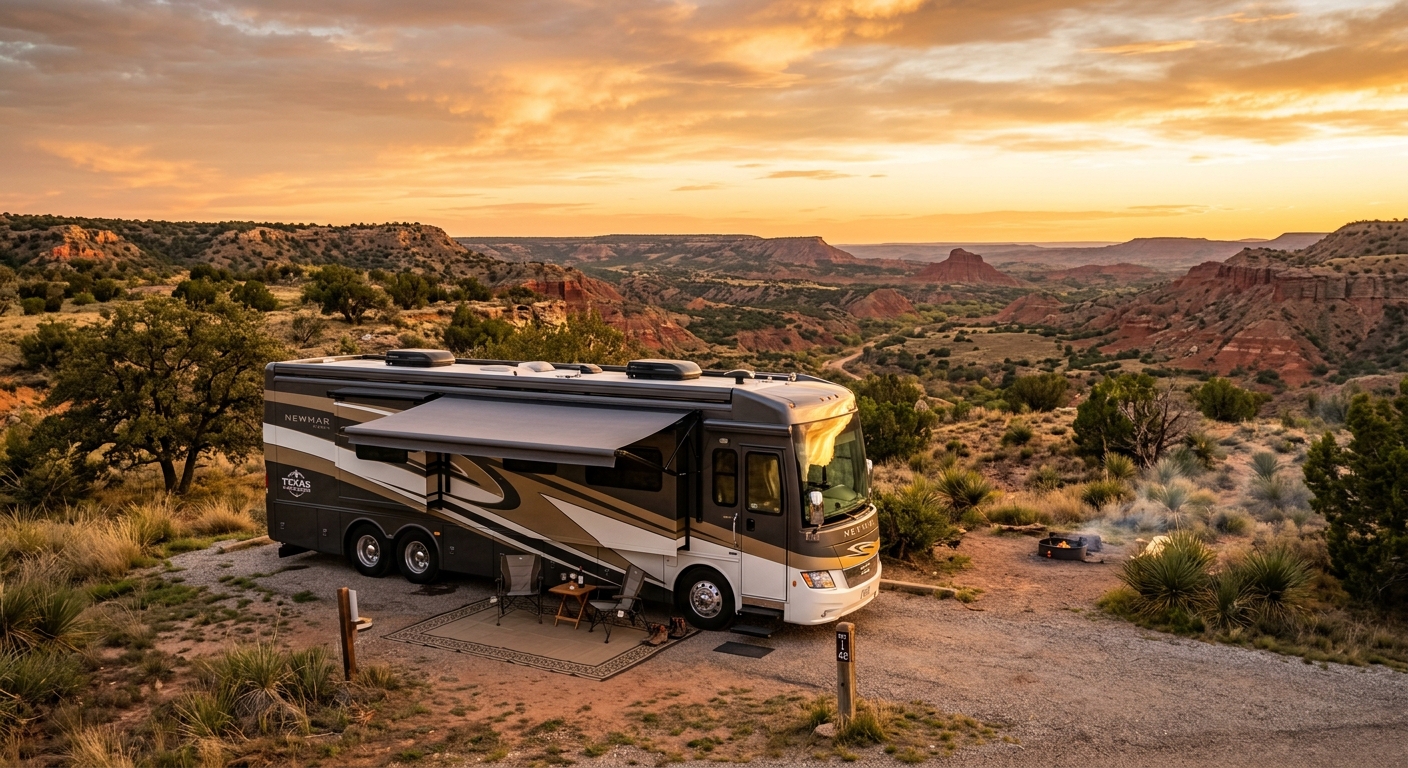
- Palo Duro Canyon: Called the "Grand Canyon of Texas," this state park delivers dramatic red rock scenery that stuns first-time visitors who assumed west Texas was just flat emptiness.
What the Rankings Might Be Missing
National campground rankings often favor states with dense concentrations of premium, amenity-rich campgrounds — think full hookups, resort-style pools, and perfectly manicured sites. Texas, by contrast, skews heavily toward rugged, nature-first experiences. Many of its most beloved spots are primitive or semi-primitive, which means they score lower on amenity checklists but score sky-high on authenticity.
There's also the sheer size problem. Texas covers 268,000 square miles. A handful of underwhelming campgrounds near major metros can drag down a statewide average while hiding the breathtaking gems scattered across its vast interior. It's a bit like judging California's camping based solely on RV parks near LAX.
How to Find the Hidden Gems Yourself
This is where doing your own research pays off in a big way. Rather than relying on a single ranking, savvy campers use real traveler reviews, photos, and virtual tours to evaluate campgrounds before they commit to a reservation.
At CampgroundViews.com, we've built the largest campground discovery platform in North America — with 28,000+ campgrounds listed and 3,600+ virtual tours you can explore from your couch. Want to see what a Texas Hill Country campsite actually looks like before you book? Spin through a virtual tour and decide for yourself. No guesswork, no ranking bias — just real views from real campgrounds.
Tips for Planning Your Texas RV Adventure
- Book early for spring and fall: Texas camping peaks in March–May and October–November when temperatures are ideal. Popular spots like Garner State Park fill up months in advance.
- Embrace the primitive: Some of Texas's best campsites require a little extra effort to reach, but the solitude and scenery are worth every mile of dirt road.
- Check water levels: River campgrounds in the Hill Country can be dramatically affected by rainfall. Always verify conditions before your trip.
- Invest in a good shade setup: Summer camping in Texas is possible but demands respect for the heat. A quality awning or shade canopy is non-negotiable.
The Bottom Line
Texas may not sit at the top of every national campground ranking, and that's okay. The Lone Star State has never been about fitting into someone else's mold. Its camping scene is vast, varied, and deeply rewarding for travelers willing to explore beyond the obvious. Do your homework, use tools like CampgroundViews.com to scout your next spot, and go discover what the rankings forgot to mention.