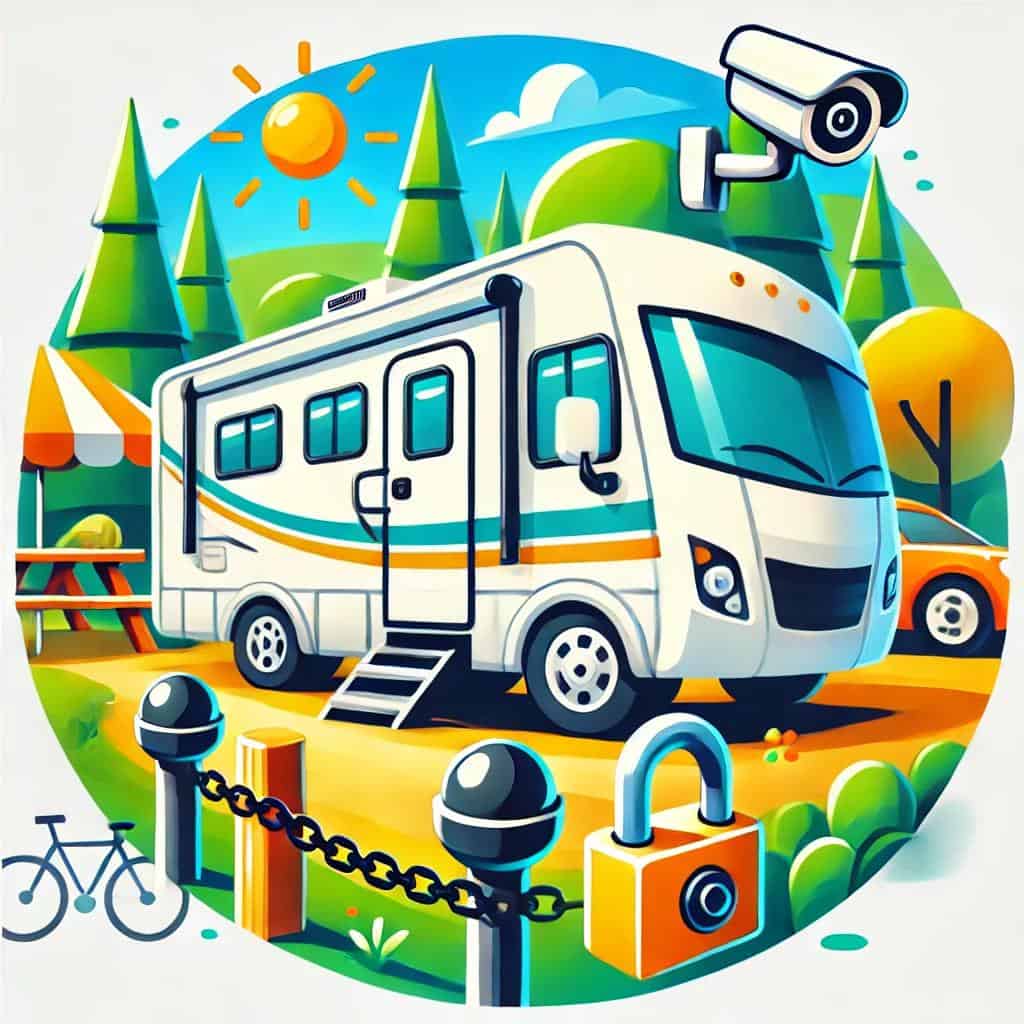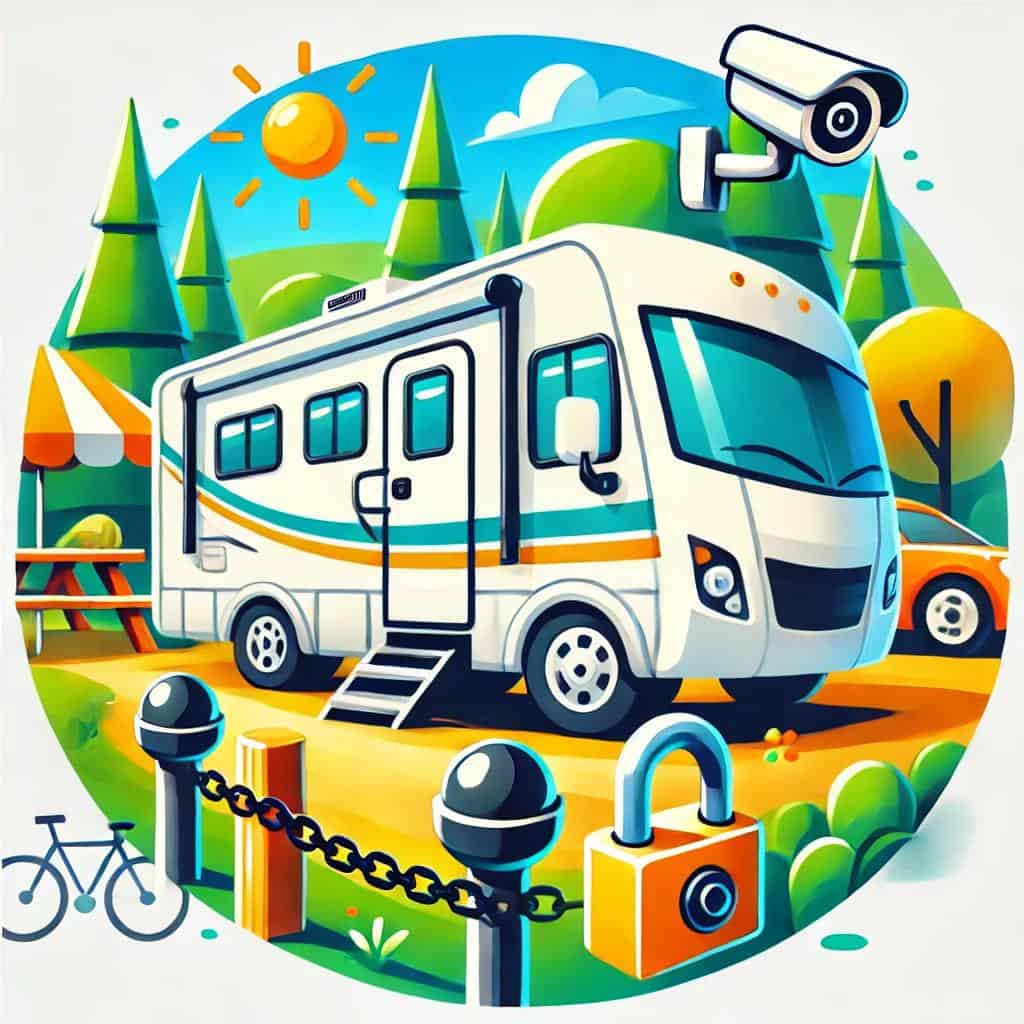
Your RV isn’t just a vehicle; it’s your home on wheels, your gateway to adventure, and often a significant investment. Whether you’re stepping away for a quick errand or leaving your RV parked for days, ensuring its safety and security is crucial. Before walking away, take these steps to protect your RV from theft, damage, and other unexpected issues.
1. Secure the Doors and Windows
Start with the basics: double-check all doors and windows before leaving your RV.
- Lock All Entry Points: Ensure all doors, windows, and storage compartments are locked. Use high-quality locks for extra security.
- Check for Weak Points: Inspect your RV for areas that might be easy to pry open. Upgrade to reinforced locks if needed.
- Install Window Covers: Window covers not only provide privacy but also prevent potential thieves from seeing inside.
2. Use a Security System
Investing in an RV-specific security system is one of the best ways to safeguard your rig.
- Alarms: Install motion-detecting alarms on doors and windows. They’ll alert you to any unauthorized access.
- Cameras: A visible camera acts as a deterrent. Some systems allow you to monitor your RV remotely via a smartphone app.
- Tracking Devices: GPS trackers like the Monimoto 9 can help locate your RV if it’s stolen.
3. Hide Valuables
Never leave valuables in plain sight. This simple step can deter opportunistic thieves.
- Out of Sight, Out of Mind: Store electronics, wallets, and other high-value items in hidden compartments.
- Use a Safe: Consider installing a bolted-down safe for securing cash, jewelry, and important documents.
4. Park Smart
Where you park can significantly impact your RV’s security.
- Choose Well-Lit Areas: Park in areas with good visibility and lighting to deter criminal activity.
- Face the Exit: Position your RV so it’s easy to drive away in an emergency.
- Avoid Isolation: Parking near other RVs or in designated areas provides an added layer of security.
5. Disconnect and Turn Off Utilities
Leaving your RV unattended for an extended period? Ensure it’s safe from internal hazards.
- Turn Off Propane: Prevent leaks and potential fires by shutting off the propane system.
- Unplug Appliances: Disconnect non-essential electronics to avoid electrical issues.
- Secure Power Sources: Ensure the RV’s power connections are tamper-proof.
6. Stabilize and Secure the Rig
Make sure your RV stays exactly where you left it.
- Use Wheel Locks: Locking devices for your wheels make it difficult for anyone to tow or move your RV.
- Deploy Stabilizers: Stabilizer jacks not only keep your RV level but also make it harder to tow.
- Chock the Wheels: Use high-quality wheel chocks to prevent rolling.
7. Get to Know Your Neighbors
Community is a powerful deterrent against crime. Whether you’re in a campground or a long-term parking spot, make an effort to connect with your neighbors.
- Share Contact Information: Exchange phone numbers so you can keep an eye on each other’s property.
- Watch Out for Strangers: Be aware of unfamiliar people lingering near your RV.
- Report Suspicious Activity: Notify campground staff or local authorities if something seems off.
8. Leave the RV Looking Occupied
A rig that appears occupied is less likely to be targeted.
- Timers for Lights: Use timers to turn lights on and off at intervals, creating the illusion that someone is home.
- Keep Curtains Slightly Open: This makes it harder for thieves to tell if the RV is empty.
- Play Sounds: A small radio or TV left on can give the impression that someone is inside.
9. Insure Your RV
RV insurance is a safety net that can help you recover from theft or damage.
- Comprehensive Coverage: Ensure your policy includes protection against theft and vandalism.
- Document Your Belongings: Keep an inventory of valuable items in case you need to file a claim.
- Know Your Policy Limits: Understand what’s covered and what isn’t to avoid surprises.
10. Prepare for Emergencies
Have a plan in place for emergencies so you can act quickly if needed.
- Spare Keys: Keep a spare set of keys in a secure location.
- Emergency Contacts: Have a list of nearby repair shops, towing services, and authorities.
- Backup Power: A portable generator or solar panels can be lifesavers if you return to find your RV’s power depleted.
11. Use Technology to Your Advantage
Modern tech can make it easier to keep an eye on your RV even when you’re far away.
- Smart Sensors: Sensors can alert you to movement, temperature changes, or water leaks.
- Mobile Apps: Many security systems come with apps that allow remote monitoring.
- Dash Cameras: A forward-facing camera can capture footage of any suspicious activity.
12. Regularly Inspect Your RV
Don’t wait for problems to arise. Regular inspections can help you identify vulnerabilities before they become major issues.
- Check Locks and Seals: Look for signs of wear or tampering.
- Inspect Tires and Stabilizers: Ensure your RV is stable and ready for use.
- Test Alarms and Detectors: Smoke and carbon monoxide detectors should always be functional.
13. Be Mindful of Social Media
Sharing your travel plans online can inadvertently make your RV a target.
- Post Updates After the Trip: Avoid sharing your location in real-time.
- Limit Details: Don’t post pictures that reveal the exact location of your RV.
- Privacy Settings: Adjust your social media settings to limit who can see your posts.
14. Take Small Steps Every Day
Consistency is key to keeping your RV secure. Even small actions, like locking the door every time you leave, can add up to big safety benefits.
Your RV represents freedom, adventure, and the comforts of home. By taking these precautions, you can ensure it remains safe and secure while you’re away. So before you leave your RV unattended, take a few extra minutes to protect your investment and enjoy peace of mind on every journey!