 1. Regular Tire Maintenance
Proper tire maintenance is essential. Check your tires regularly for signs of wear, damage, and low pressure. Inspect the tread depth, sidewalls, and overall condition. Ensure that your tires are properly inflated according to the manufacturer's recommendations.
2. Load Distribution
Evenly distribute the weight in your RV to prevent uneven tire wear. Overloaded or improperly balanced RVs are more prone to tire blowouts. Know your RV's weight limits and stick to them.
3. Appropriate Tire Selection
When replacing tires, choose the right ones for your RV's size and weight. Consult your RV's manual or the tire manufacturer's specifications for guidance. High-quality, load-rated tires are essential for RV safety.
4. Proper Inflation
Underinflated or overinflated tires are at a higher risk of blowing out. Regularly check and maintain the proper tire pressure, especially before long trips. Don't forget to inspect the spare tire as well.
5. Tire Age and Inspection
Tires degrade over time, even if they have low mileage. Most experts recommend replacing RV tires every 6 to 10 years, regardless of the tread depth. Regularly inspect the tires for signs of aging, such as sidewall cracks, bulges, or dry rot.
6. Speed Control
Excessive speed generates heat, which can lead to tire blowouts. RVs are not built for high speeds. Follow posted speed limits and drive at a pace that matches your RV's capabilities.
7. Avoid Road Hazards
Try to avoid potholes, debris, and other road hazards whenever possible. Sudden impacts can damage tires and lead to blowouts.
8. Regularly Check Lug Nuts and Wheel Bearings
Loose lug nuts can cause tire instability, so it's essential to keep them properly torqued. Additionally, wheel bearings should be adequately lubricated and regularly inspected.
Conclusion
Preventing RV tire blowouts is an integral part of safe RV travel. By following these best practices, you can significantly reduce the risk of tire blowouts and the potential consequences they may bring. Regular maintenance, appropriate tire selection, proper inflation, and cautious driving all play vital roles in keeping you and your RV safe on the road. Remember, your safety and the safety of others should always come first when you embark on your RV adventures. Safe travels!
1. Regular Tire Maintenance
Proper tire maintenance is essential. Check your tires regularly for signs of wear, damage, and low pressure. Inspect the tread depth, sidewalls, and overall condition. Ensure that your tires are properly inflated according to the manufacturer's recommendations.
2. Load Distribution
Evenly distribute the weight in your RV to prevent uneven tire wear. Overloaded or improperly balanced RVs are more prone to tire blowouts. Know your RV's weight limits and stick to them.
3. Appropriate Tire Selection
When replacing tires, choose the right ones for your RV's size and weight. Consult your RV's manual or the tire manufacturer's specifications for guidance. High-quality, load-rated tires are essential for RV safety.
4. Proper Inflation
Underinflated or overinflated tires are at a higher risk of blowing out. Regularly check and maintain the proper tire pressure, especially before long trips. Don't forget to inspect the spare tire as well.
5. Tire Age and Inspection
Tires degrade over time, even if they have low mileage. Most experts recommend replacing RV tires every 6 to 10 years, regardless of the tread depth. Regularly inspect the tires for signs of aging, such as sidewall cracks, bulges, or dry rot.
6. Speed Control
Excessive speed generates heat, which can lead to tire blowouts. RVs are not built for high speeds. Follow posted speed limits and drive at a pace that matches your RV's capabilities.
7. Avoid Road Hazards
Try to avoid potholes, debris, and other road hazards whenever possible. Sudden impacts can damage tires and lead to blowouts.
8. Regularly Check Lug Nuts and Wheel Bearings
Loose lug nuts can cause tire instability, so it's essential to keep them properly torqued. Additionally, wheel bearings should be adequately lubricated and regularly inspected.
Conclusion
Preventing RV tire blowouts is an integral part of safe RV travel. By following these best practices, you can significantly reduce the risk of tire blowouts and the potential consequences they may bring. Regular maintenance, appropriate tire selection, proper inflation, and cautious driving all play vital roles in keeping you and your RV safe on the road. Remember, your safety and the safety of others should always come first when you embark on your RV adventures. Safe travels!Safe Travels: 8 Best Practices to Prevent RV Tire Blowouts
Introduction
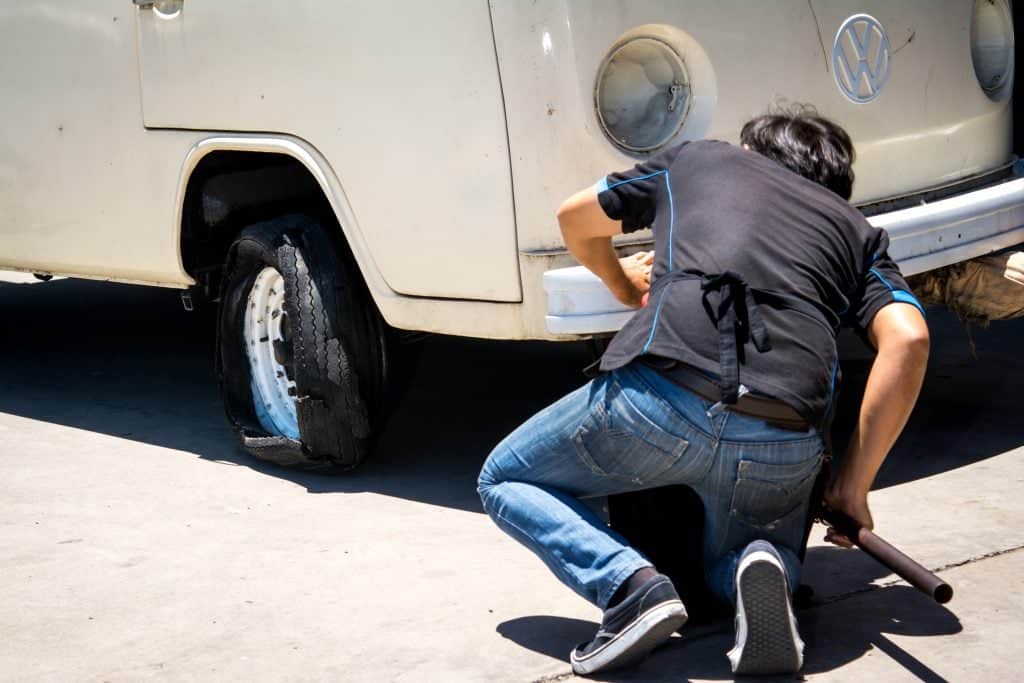
When you're on the road in your RV, safety should be your top priority. One critical aspect of RV safety is preventing tire blowouts, which can lead to accidents, vehicle damage, and, in the worst cases, personal injuries. In this guide, we'll explore eight best practices to help you avoid RV tire blowouts, ensuring a smooth and secure journey for you and your loved ones.
1. Regular Tire Maintenance
Proper tire maintenance is essential. Check your tires regularly for signs of wear, damage, and low pressure. Inspect the tread depth, sidewalls, and overall condition. Ensure that your tires are properly inflated according to the manufacturer's recommendations.
2. Load Distribution
Evenly distribute the weight in your RV to prevent uneven tire wear. Overloaded or improperly balanced RVs are more prone to tire blowouts. Know your RV's weight limits and stick to them.
3. Appropriate Tire Selection
When replacing tires, choose the right ones for your RV's size and weight. Consult your RV's manual or the tire manufacturer's specifications for guidance. High-quality, load-rated tires are essential for RV safety.
4. Proper Inflation
Underinflated or overinflated tires are at a higher risk of blowing out. Regularly check and maintain the proper tire pressure, especially before long trips. Don't forget to inspect the spare tire as well.
5. Tire Age and Inspection
Tires degrade over time, even if they have low mileage. Most experts recommend replacing RV tires every 6 to 10 years, regardless of the tread depth. Regularly inspect the tires for signs of aging, such as sidewall cracks, bulges, or dry rot.
6. Speed Control
Excessive speed generates heat, which can lead to tire blowouts. RVs are not built for high speeds. Follow posted speed limits and drive at a pace that matches your RV's capabilities.
7. Avoid Road Hazards
Try to avoid potholes, debris, and other road hazards whenever possible. Sudden impacts can damage tires and lead to blowouts.
8. Regularly Check Lug Nuts and Wheel Bearings
Loose lug nuts can cause tire instability, so it's essential to keep them properly torqued. Additionally, wheel bearings should be adequately lubricated and regularly inspected.
Conclusion
Preventing RV tire blowouts is an integral part of safe RV travel. By following these best practices, you can significantly reduce the risk of tire blowouts and the potential consequences they may bring. Regular maintenance, appropriate tire selection, proper inflation, and cautious driving all play vital roles in keeping you and your RV safe on the road. Remember, your safety and the safety of others should always come first when you embark on your RV adventures. Safe travels!
1. Regular Tire Maintenance
Proper tire maintenance is essential. Check your tires regularly for signs of wear, damage, and low pressure. Inspect the tread depth, sidewalls, and overall condition. Ensure that your tires are properly inflated according to the manufacturer's recommendations.
2. Load Distribution
Evenly distribute the weight in your RV to prevent uneven tire wear. Overloaded or improperly balanced RVs are more prone to tire blowouts. Know your RV's weight limits and stick to them.
3. Appropriate Tire Selection
When replacing tires, choose the right ones for your RV's size and weight. Consult your RV's manual or the tire manufacturer's specifications for guidance. High-quality, load-rated tires are essential for RV safety.
4. Proper Inflation
Underinflated or overinflated tires are at a higher risk of blowing out. Regularly check and maintain the proper tire pressure, especially before long trips. Don't forget to inspect the spare tire as well.
5. Tire Age and Inspection
Tires degrade over time, even if they have low mileage. Most experts recommend replacing RV tires every 6 to 10 years, regardless of the tread depth. Regularly inspect the tires for signs of aging, such as sidewall cracks, bulges, or dry rot.
6. Speed Control
Excessive speed generates heat, which can lead to tire blowouts. RVs are not built for high speeds. Follow posted speed limits and drive at a pace that matches your RV's capabilities.
7. Avoid Road Hazards
Try to avoid potholes, debris, and other road hazards whenever possible. Sudden impacts can damage tires and lead to blowouts.
8. Regularly Check Lug Nuts and Wheel Bearings
Loose lug nuts can cause tire instability, so it's essential to keep them properly torqued. Additionally, wheel bearings should be adequately lubricated and regularly inspected.
Conclusion
Preventing RV tire blowouts is an integral part of safe RV travel. By following these best practices, you can significantly reduce the risk of tire blowouts and the potential consequences they may bring. Regular maintenance, appropriate tire selection, proper inflation, and cautious driving all play vital roles in keeping you and your RV safe on the road. Remember, your safety and the safety of others should always come first when you embark on your RV adventures. Safe travels!