Introduction
The world of recreational vehicles offers a diverse range of options to suit every traveler's preferences and needs. Among the most popular choices are motorhomes and campers, each with its own set of features and benefits. In this guide, we'll demystify the key differences between motorhome RVs and campers, helping you understand the distinctions and make an informed decision when choosing the perfect road companion for your adventures.
 1. Structure and Mobility
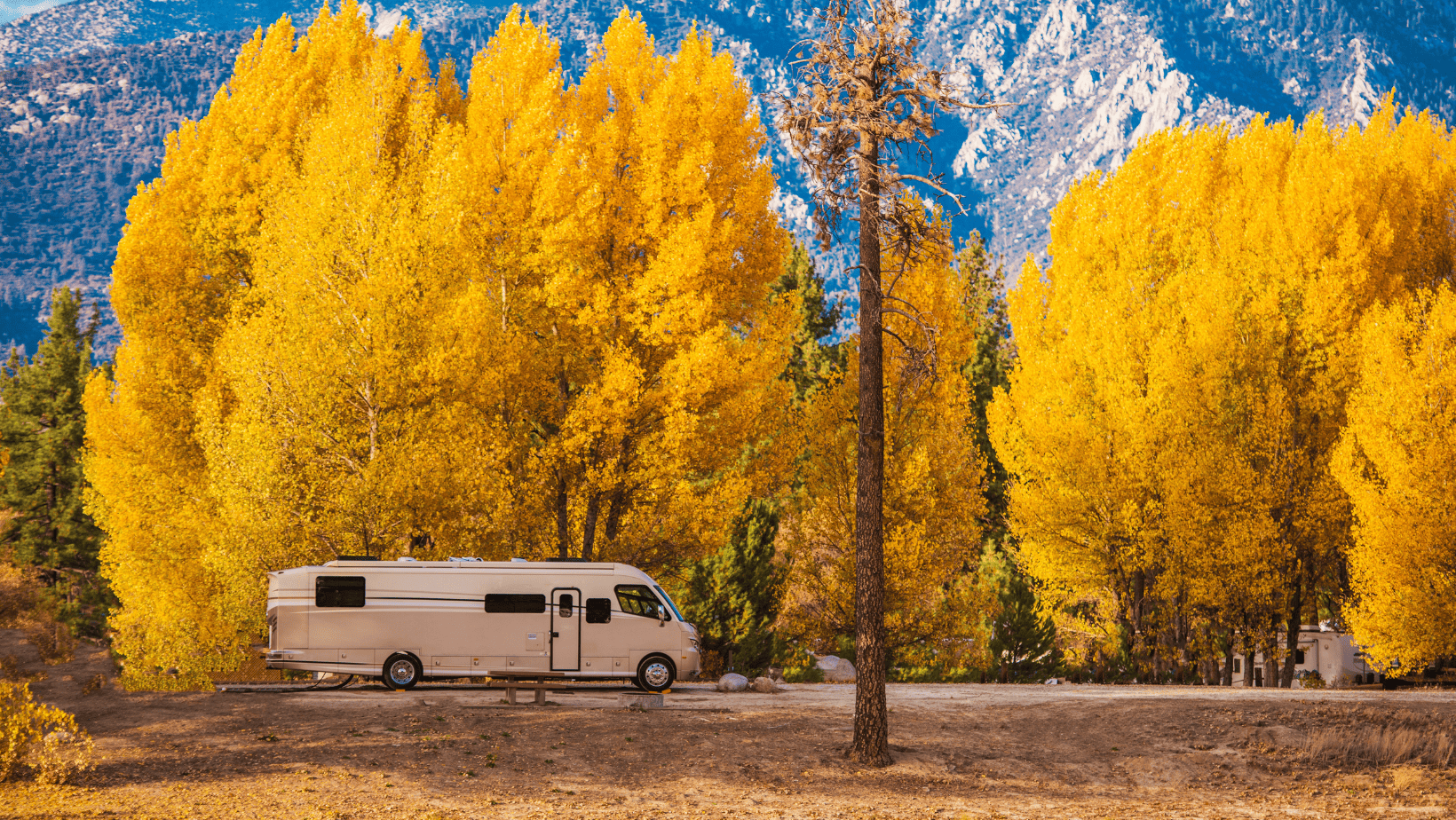
- Motorhome: A motorhome is a self-contained vehicle that combines the living space and the driving portion into one unit. It can be driven without the need for a separate tow vehicle.
- Camper: A camper, often referred to as a travel trailer, is a towable RV that requires a separate tow vehicle, like a truck or SUV, to transport it to your destination.
2. Size and Space
- Motorhome: Motorhomes come in various sizes, from compact Class B models to spacious Class A units. They offer a wide range of living space, often with multiple rooms, a kitchen, and a bathroom.
- Camper: Campers come in a variety of sizes, but they generally offer less interior space compared to motorhomes. They can range from small teardrop trailers to larger fifth-wheel models.
3. Mobility and Parking
- Motorhome: Motorhomes provide greater mobility and convenience when it comes to parking and setting up at campgrounds due to their self-contained nature.
- Camper: Campers require more maneuvering and parking space since they rely on a separate tow vehicle.
4. Cost
- Motorhome: Motorhomes tend to be more expensive than campers, especially larger Class A models. They come with the cost of both the living quarters and the vehicle.
- Camper: Campers are often a more cost-effective option, as you can choose the size and features that fit your budget. You only need to invest in the camper itself, not a dedicated driving vehicle.
5. Fuel Efficiency
- Motorhome: Motorhomes typically have lower fuel efficiency due to their size and weight. The larger the motorhome, the more fuel it tends to consume.
- Camper: Campers have the advantage of being towed by a separate vehicle, which may offer better fuel efficiency compared to a motorhome.
6. Customization and Amenities
- Motorhome: Motorhomes come with a wide range of amenities and customization options, including slide-outs, full kitchens, entertainment systems, and even washer-dryer combos.
- Camper: Campers offer varying levels of customization and amenities, but they may have fewer features compared to motorhomes.
7. Storage
- Motorhome: Motorhomes typically have ample storage space both inside and in exterior compartments, making it easier to carry more belongings.
- Camper: Campers may have limited storage space, which can require more careful packing and organization.
8. Ownership Considerations
- Motorhome: Owning a motorhome involves maintenance for both the living and driving components. Insurance and upkeep costs can be higher.
- Camper: Campers can be an attractive choice for those who already own a suitable tow vehicle, as they don't require the same level of maintenance and insurance costs as a motorhome.
Conclusion
Understanding the distinctions between motorhomes and campers is crucial when deciding which type of RV best suits your travel style and needs. Both options offer unique advantages, so it ultimately comes down to your preferences, budget, and the type of adventures you have in mind. Whether you choose a motorhome or a camper, your journey awaits, and the open road is yours to explore.