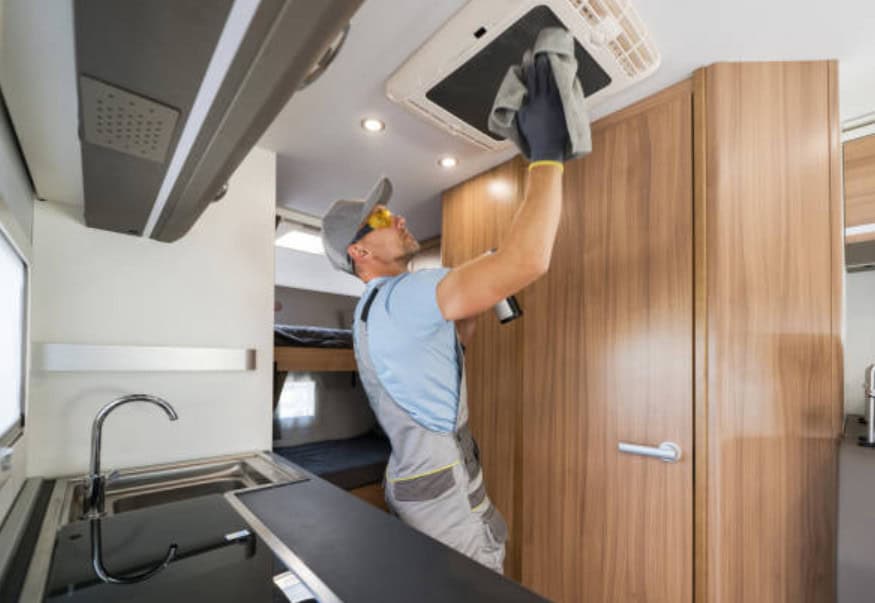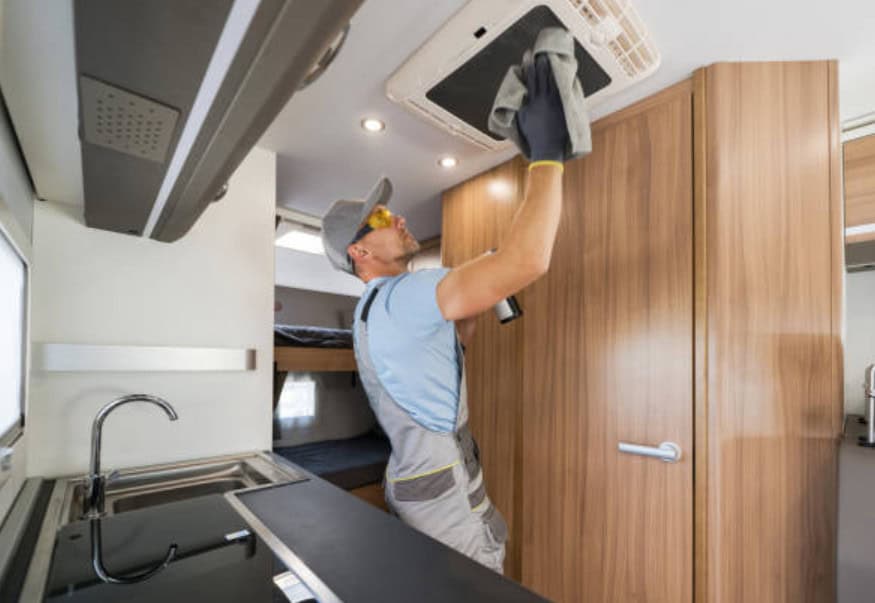
When the temperature outside rises, there’s nothing better than a cool and comfortable RV. But what happens when your RV’s air conditioner isn’t blowing cold air? It can turn your relaxing trip into a sweaty struggle. Don’t worry! Most A/C issues have simple fixes. Here are the most common reasons your RV air conditioner might not be cooling properly and how you can get it back to keeping you comfortable.
1. Dirty Air Filters
The Problem:
Over time, dirt, dust, and debris build up in your RV A/C’s air filter, restricting airflow. This reduces the system’s efficiency, making it harder for the unit to cool your RV.
The Fix:
- Locate the air filter (usually inside the A/C unit or return air vent).
- Remove the filter and clean it with warm, soapy water.
- Let it dry completely before reinstalling it.
- If the filter is too worn or damaged, replace it with a new one.
Pro Tip: Clean or replace your air filter every 1-3 months, especially if you’re camping in dusty or sandy areas.
2. Low Refrigerant Levels
The Problem:
Refrigerant is what cools the air in your A/C system. If there’s a leak or the levels are low, your A/C won’t be able to produce cold air effectively.
The Fix:
- Unfortunately, adding refrigerant is not a DIY job for most RVers.
- Contact a professional RV technician to check for leaks and recharge the refrigerant if needed.
Pro Tip: Regular maintenance can prevent refrigerant leaks and keep your A/C system running efficiently.
3. Blocked or Dirty Coils
The Problem:
The evaporator and condenser coils in your A/C unit can get dirty or blocked by debris, reducing the system’s ability to cool the air.
The Fix:
- Turn off the A/C and disconnect the power supply.
- Access the coils (check your manual for specific instructions).
- Use a soft brush or coil cleaner to gently remove dirt and grime.
- Rinse with water if necessary, but ensure everything is dry before turning the unit back on.
Pro Tip: Inspect your A/C coils at least twice a year to keep them clean and free of obstructions.
4. Thermostat Issues
The Problem:
If your thermostat is malfunctioning or incorrectly calibrated, it might not signal the A/C to cool properly.
The Fix:
- Check the thermostat settings to ensure it’s set to "cool" and the desired temperature.
- Replace the batteries if it’s battery-operated.
- If the thermostat still isn’t working, consider replacing it with a new one.
Pro Tip: Upgrade to a programmable or smart thermostat for better control over your RV’s temperature.
5. Electrical Problems
The Problem:
A loose connection, tripped circuit breaker, or blown fuse could prevent your A/C from functioning.
The Fix:
- Check your RV’s electrical panel for any tripped breakers or blown fuses and reset or replace them as needed.
- Inspect the A/C unit’s wiring for any visible damage or loose connections.
Pro Tip: If you’re not comfortable handling electrical repairs, call a professional to avoid safety risks.
6. Overheating A/C Unit
The Problem:
If your A/C is running for long periods without proper airflow, it can overheat, causing it to shut down or blow warm air.
The Fix:
- Ensure the A/C’s intake and exhaust vents are clear of obstructions.
- Park your RV in the shade to reduce the workload on your A/C.
- Consider installing a vent fan or additional insulation to improve airflow and reduce heat inside the RV.
Pro Tip: Give your A/C regular breaks to prevent overheating during extended use.
7. Faulty Fan or Motor
The Problem:
If the fan or motor inside your A/C unit is broken, it won’t be able to circulate air, making cooling impossible.
The Fix:
- Turn off the A/C and inspect the fan for any visible damage or obstructions.
- If the fan blades are broken or the motor isn’t working, you’ll likely need a professional to repair or replace the parts.
Pro Tip: Listen for unusual noises from your A/C unit, as these can be signs of a failing fan or motor.
8. Undersized A/C Unit
The Problem:
If your A/C unit isn’t powerful enough for the size of your RV, it may struggle to keep up with cooling demands, especially in extreme heat.
The Fix:
- Check your A/C’s BTU rating to ensure it’s appropriate for your RV’s size.
- Upgrade to a larger unit if necessary, or consider adding a second A/C unit for bigger rigs.
Pro Tip: Use reflective window coverings and close blinds during the day to reduce heat inside your RV.
9. Clogged Ducts or Vents
The Problem:
Dust, debris, or even pests can block your RV’s ductwork, reducing airflow and cooling efficiency.
The Fix:
- Remove and clean all vent covers.
- Use a vacuum or flexible cleaning tool to clear out any debris in the ducts.
- Seal any gaps or cracks in the ductwork with foil tape to prevent air leaks.
Pro Tip: Inspect your ducts annually to keep them clean and functioning well.
10. Old or Worn-Out A/C Unit
The Problem:
If your A/C is more than 10-15 years old, it may simply be nearing the end of its lifespan.
The Fix:
- Replace the unit with a new, energy-efficient model designed for RVs.
- Look for an A/C with a higher SEER (Seasonal Energy Efficiency Ratio) rating for better performance and lower energy use.
Pro Tip: Regular maintenance can extend the life of your A/C, but all units will eventually need replacement.
Final Thoughts
A functioning A/C is essential for comfortable RVing, especially during hot summer months. By understanding the common reasons your RV air conditioner might stop blowing cold air—and knowing how to fix them—you can avoid unnecessary discomfort and costly repairs. Regular maintenance and a little know-how go a long way in keeping your A/C running smoothly, so you can focus on enjoying your adventures.
Stay cool and happy camping! ❄️🚐✨