 1. Manufacturer's Recommendations:
The first place to look for guidance on oil change intervals is your RV's owner's manual. RV manufacturers typically provide specific guidelines for oil change intervals, taking into account the engine type, model, and the type of oil to use. Always follow the manufacturer's recommendations as a starting point.
2. Oil Type:
The type of oil you use in your RV's engine can affect how often you need to change it. Conventional motor oil usually requires more frequent changes compared to synthetic oil. Synthetic oil tends to have a longer lifespan and provides better protection for your engine.
3. Driving Conditions:
The way you use your RV has a significant impact on oil change intervals. If you frequently drive in challenging conditions, such as extreme temperatures, heavy traffic, or off-road terrains, your engine may require more frequent oil changes. This is because these conditions can cause the engine to work harder and heat up, leading to increased wear and tear on the oil.
4. Mileage and Time:
In addition to following the manufacturer's recommendations, it's common practice to change your RV's oil at specific mileage intervals, usually between 3,000 and 7,500 miles. However, you should also consider the time factor. Even if you haven't reached the recommended mileage, you should change the oil at least once a year to prevent oil degradation.
5. Regular Inspections:
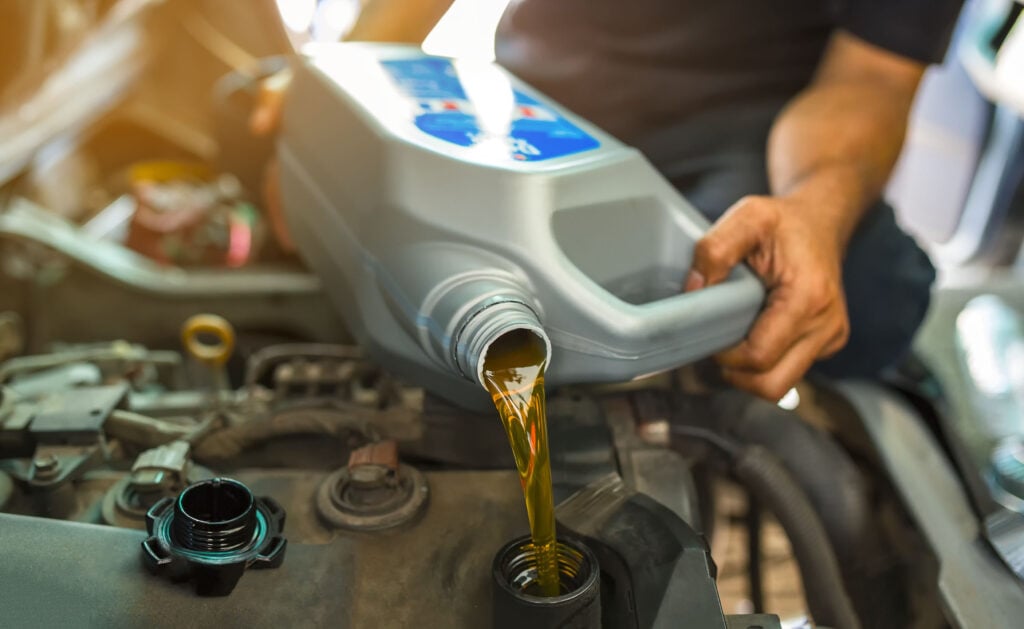
Regularly inspect your RV's engine oil to assess its condition. If the oil appears dark, gritty, or has a burnt smell, it's a sign that it's time for an oil change. Clean, amber-colored oil indicates that it's still in good condition.
6. Consult a Professional:
If you're unsure about when to change your RV's oil or if you have unique circumstances, consult a professional mechanic or RV service center. They can assess your vehicle and provide tailored recommendations based on its specific needs.
7. Keep a Maintenance Log:
Maintaining a detailed maintenance log for your RV is a wise practice. Record each oil change, noting the date, mileage, and the type of oil used. This log helps you track your maintenance history and makes it easier to determine when the next oil change is due.
In conclusion, the frequency of oil changes for your RV depends on various factors, including manufacturer recommendations, oil type, driving conditions, mileage, and regular inspections. While general guidelines exist, it's essential to tailor your oil change intervals to your specific RV and usage patterns. By following the recommended maintenance practices and being attentive to your RV's needs, you'll ensure that your cherished home on wheels continues to run smoothly for many memorable journeys to come.
1. Manufacturer's Recommendations:
The first place to look for guidance on oil change intervals is your RV's owner's manual. RV manufacturers typically provide specific guidelines for oil change intervals, taking into account the engine type, model, and the type of oil to use. Always follow the manufacturer's recommendations as a starting point.
2. Oil Type:
The type of oil you use in your RV's engine can affect how often you need to change it. Conventional motor oil usually requires more frequent changes compared to synthetic oil. Synthetic oil tends to have a longer lifespan and provides better protection for your engine.
3. Driving Conditions:
The way you use your RV has a significant impact on oil change intervals. If you frequently drive in challenging conditions, such as extreme temperatures, heavy traffic, or off-road terrains, your engine may require more frequent oil changes. This is because these conditions can cause the engine to work harder and heat up, leading to increased wear and tear on the oil.
4. Mileage and Time:
In addition to following the manufacturer's recommendations, it's common practice to change your RV's oil at specific mileage intervals, usually between 3,000 and 7,500 miles. However, you should also consider the time factor. Even if you haven't reached the recommended mileage, you should change the oil at least once a year to prevent oil degradation.
5. Regular Inspections:
Regularly inspect your RV's engine oil to assess its condition. If the oil appears dark, gritty, or has a burnt smell, it's a sign that it's time for an oil change. Clean, amber-colored oil indicates that it's still in good condition.
6. Consult a Professional:
If you're unsure about when to change your RV's oil or if you have unique circumstances, consult a professional mechanic or RV service center. They can assess your vehicle and provide tailored recommendations based on its specific needs.
7. Keep a Maintenance Log:
Maintaining a detailed maintenance log for your RV is a wise practice. Record each oil change, noting the date, mileage, and the type of oil used. This log helps you track your maintenance history and makes it easier to determine when the next oil change is due.
In conclusion, the frequency of oil changes for your RV depends on various factors, including manufacturer recommendations, oil type, driving conditions, mileage, and regular inspections. While general guidelines exist, it's essential to tailor your oil change intervals to your specific RV and usage patterns. By following the recommended maintenance practices and being attentive to your RV's needs, you'll ensure that your cherished home on wheels continues to run smoothly for many memorable journeys to come.Prolonging the Journey: How Often Should You Change the Oil in Your RV?
Introduction
Maintaining your RV is essential to ensure it remains roadworthy and performs optimally throughout your adventures. One crucial aspect of RV maintenance is oil changes, as the engine's oil is the lifeblood of your vehicle. But how often should you change the oil in your RV to keep it running smoothly and prevent costly damage? In this guide, we'll explore the factors that influence oil change intervals for RVs and provide recommendations to help you extend the life of your beloved home on wheels.
1. Manufacturer's Recommendations:
The first place to look for guidance on oil change intervals is your RV's owner's manual. RV manufacturers typically provide specific guidelines for oil change intervals, taking into account the engine type, model, and the type of oil to use. Always follow the manufacturer's recommendations as a starting point.
2. Oil Type:
The type of oil you use in your RV's engine can affect how often you need to change it. Conventional motor oil usually requires more frequent changes compared to synthetic oil. Synthetic oil tends to have a longer lifespan and provides better protection for your engine.
3. Driving Conditions:
The way you use your RV has a significant impact on oil change intervals. If you frequently drive in challenging conditions, such as extreme temperatures, heavy traffic, or off-road terrains, your engine may require more frequent oil changes. This is because these conditions can cause the engine to work harder and heat up, leading to increased wear and tear on the oil.
4. Mileage and Time:
In addition to following the manufacturer's recommendations, it's common practice to change your RV's oil at specific mileage intervals, usually between 3,000 and 7,500 miles. However, you should also consider the time factor. Even if you haven't reached the recommended mileage, you should change the oil at least once a year to prevent oil degradation.
5. Regular Inspections:
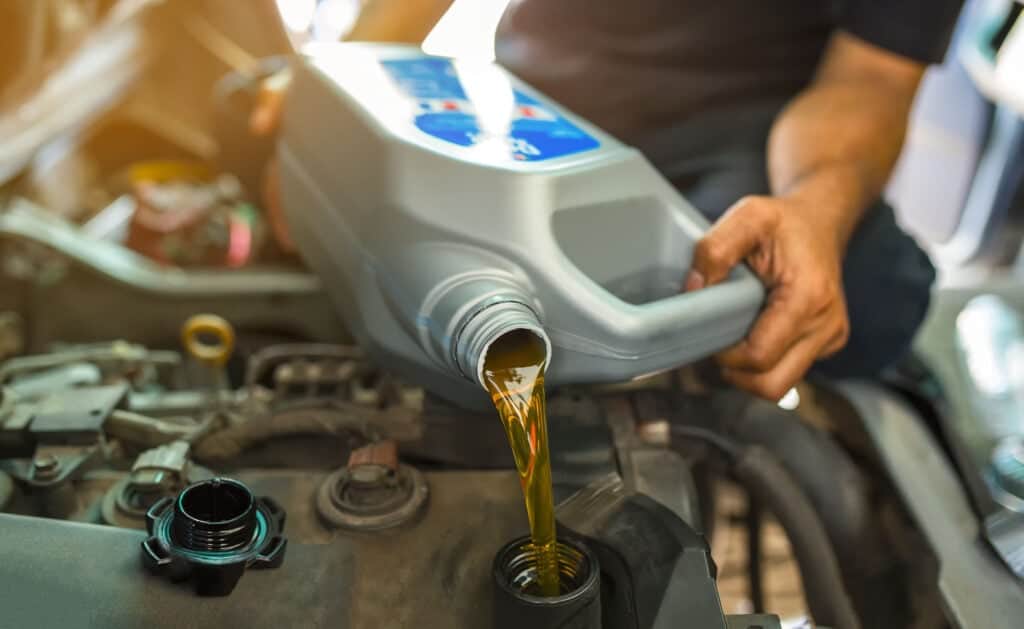
Regularly inspect your RV's engine oil to assess its condition. If the oil appears dark, gritty, or has a burnt smell, it's a sign that it's time for an oil change. Clean, amber-colored oil indicates that it's still in good condition.
6. Consult a Professional:
If you're unsure about when to change your RV's oil or if you have unique circumstances, consult a professional mechanic or RV service center. They can assess your vehicle and provide tailored recommendations based on its specific needs.
7. Keep a Maintenance Log:
Maintaining a detailed maintenance log for your RV is a wise practice. Record each oil change, noting the date, mileage, and the type of oil used. This log helps you track your maintenance history and makes it easier to determine when the next oil change is due.
In conclusion, the frequency of oil changes for your RV depends on various factors, including manufacturer recommendations, oil type, driving conditions, mileage, and regular inspections. While general guidelines exist, it's essential to tailor your oil change intervals to your specific RV and usage patterns. By following the recommended maintenance practices and being attentive to your RV's needs, you'll ensure that your cherished home on wheels continues to run smoothly for many memorable journeys to come.
1. Manufacturer's Recommendations:
The first place to look for guidance on oil change intervals is your RV's owner's manual. RV manufacturers typically provide specific guidelines for oil change intervals, taking into account the engine type, model, and the type of oil to use. Always follow the manufacturer's recommendations as a starting point.
2. Oil Type:
The type of oil you use in your RV's engine can affect how often you need to change it. Conventional motor oil usually requires more frequent changes compared to synthetic oil. Synthetic oil tends to have a longer lifespan and provides better protection for your engine.
3. Driving Conditions:
The way you use your RV has a significant impact on oil change intervals. If you frequently drive in challenging conditions, such as extreme temperatures, heavy traffic, or off-road terrains, your engine may require more frequent oil changes. This is because these conditions can cause the engine to work harder and heat up, leading to increased wear and tear on the oil.
4. Mileage and Time:
In addition to following the manufacturer's recommendations, it's common practice to change your RV's oil at specific mileage intervals, usually between 3,000 and 7,500 miles. However, you should also consider the time factor. Even if you haven't reached the recommended mileage, you should change the oil at least once a year to prevent oil degradation.
5. Regular Inspections:
Regularly inspect your RV's engine oil to assess its condition. If the oil appears dark, gritty, or has a burnt smell, it's a sign that it's time for an oil change. Clean, amber-colored oil indicates that it's still in good condition.
6. Consult a Professional:
If you're unsure about when to change your RV's oil or if you have unique circumstances, consult a professional mechanic or RV service center. They can assess your vehicle and provide tailored recommendations based on its specific needs.
7. Keep a Maintenance Log:
Maintaining a detailed maintenance log for your RV is a wise practice. Record each oil change, noting the date, mileage, and the type of oil used. This log helps you track your maintenance history and makes it easier to determine when the next oil change is due.
In conclusion, the frequency of oil changes for your RV depends on various factors, including manufacturer recommendations, oil type, driving conditions, mileage, and regular inspections. While general guidelines exist, it's essential to tailor your oil change intervals to your specific RV and usage patterns. By following the recommended maintenance practices and being attentive to your RV's needs, you'll ensure that your cherished home on wheels continues to run smoothly for many memorable journeys to come.