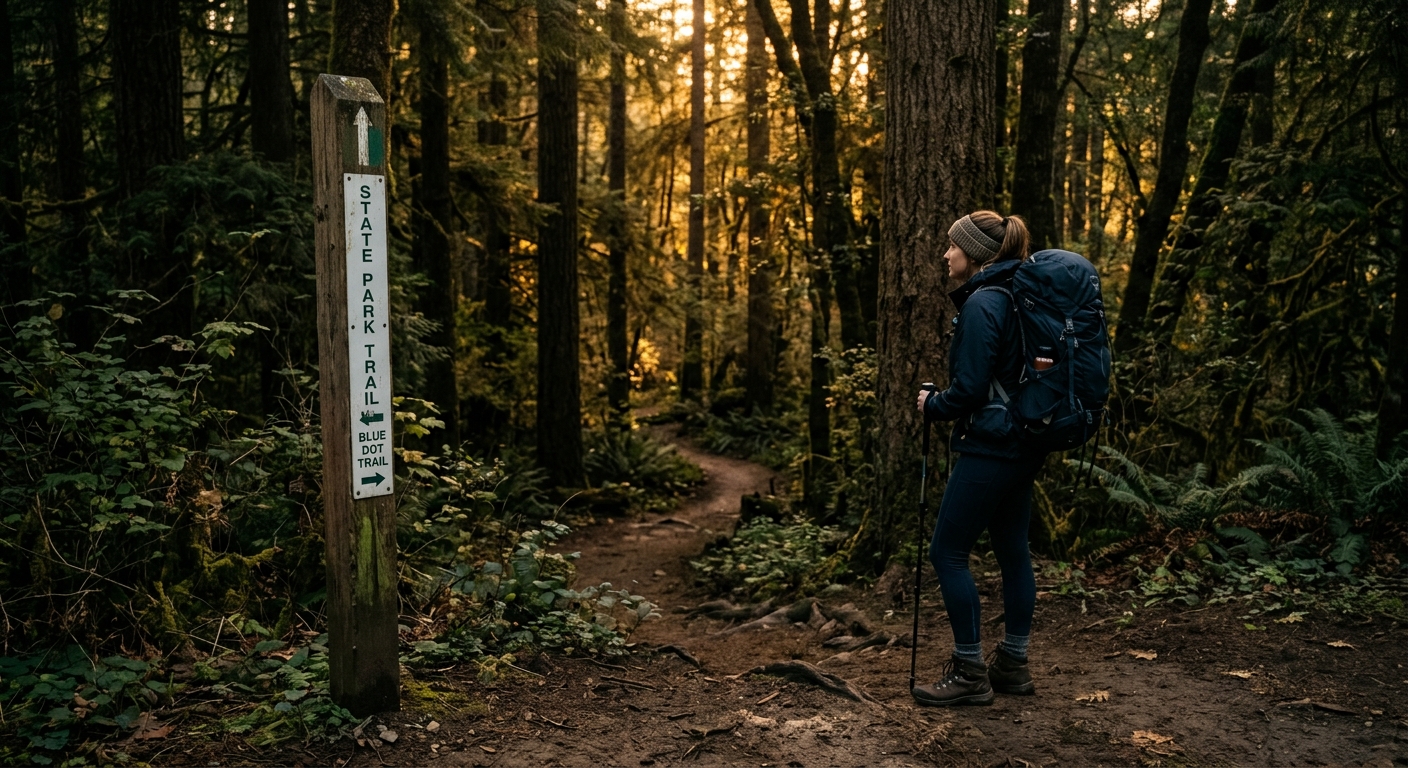
The Allure of Going Off the Beaten Path
There's something undeniably romantic about the idea of disappearing into the wilderness, pitching your tent far from the nearest trailhead, and falling asleep to absolute silence. For many campers, the dream of truly remote camping is part of what draws them to the outdoors in the first place. But before you shoulder your pack and head into the backcountry of your favorite state park, there's a critical question you need to answer: Is off-trail camping actually allowed here?
The short answer? It depends — and getting it wrong can cost you far more than just a restless night under the stars.
State Parks Are Not National Forests (And That Matters)
One of the most common misconceptions among campers is treating all public land as equal. National Forests often operate under a dispersed camping model, where camping outside of designated sites is frequently permitted. State parks, however, are a different story. The vast majority of state parks in the U.S. require campers to stay in designated campsites, and off-trail or dispersed camping is outright prohibited in most of them.
State parks are typically smaller, more heavily visited, and managed with a sharper focus on ecological preservation. That combination means rangers actively patrol for rule violations — and yes, they will find you.
What Actually Happens If You Camp Off-Trail?
Let's be real about the consequences, because they're more serious than many campers expect:
- Fines and citations: Penalties for illegal camping in state parks can range from $100 to over $1,000 depending on the state and circumstances.
- Eviction: Rangers can and will escort you out, sometimes in the middle of the night.
- Criminal charges: In repeat or egregious cases, illegal camping can result in misdemeanor charges and a permanent ban from the park system.
- Environmental damage liability: If your campfire or waste causes damage to sensitive ecosystems, you could face additional civil penalties.
Beyond the legal risks, there's the ecological reality: off-trail camping causes real harm. Soil compaction, trampled vegetation, improper waste disposal, and wildlife disturbance are cumulative problems that degrade the parks we all love.
How to Find Out What's Allowed (Before You Go)
The good news is that doing your homework has never been easier. Here are the best ways to know exactly what you're getting into:
- Call the park directly: Rangers are incredibly helpful and will tell you exactly what's permitted, including any backcountry zones that may allow primitive camping.
- Check the official state park website: Most parks publish their camping regulations online, including permit requirements.
- Use CampgroundViews.com: Browse our database of 28,000+ campgrounds to find state parks near you, read real camper reviews, and take virtual tours so you know exactly what the camping experience looks like before you arrive. No surprises.
- Look for designated backcountry sites: Many state parks that prohibit dispersed camping DO offer backcountry permits for specific remote campsites — the best of both worlds.
Scratching That Off-the-Grid Itch Legally
If the soul of your camping trip is solitude and adventure, you absolutely don't have to compromise. You just need to plan smarter:
- Seek out National Forests and BLM land near your state park — dispersed camping is often permitted within miles of where you're standing.
- Apply for backcountry permits within state parks that offer them. These sites are typically primitive, uncrowded, and deeply rewarding.
- Explore lesser-known campgrounds through CampgroundViews.com's virtual tour feature — sometimes the most secluded, quiet sites are the ones hiding in plain sight inside a designated campground.
Adventure and Responsibility Go Hand in Hand
The campers who enjoy the wildest, most memorable experiences are almost always the ones who respect the rules of the land. Understanding where you can and can't pitch a tent isn't about bureaucracy — it's about protecting the places that make camping worth it in the first place. Do your research, get the right permits, and go find your perfect site. It's out there waiting for you.