 1. RV Inspection and Maintenance
Before you start your journey, thoroughly inspect your RV to ensure it's in good working condition. Check for any visible damage, leaks, or signs of wear and tear. Test all systems, including electrical, plumbing, and HVAC, to address any issues before they become problems on the road. Don't forget to check tire pressure and the condition of your spare tire.
2. Safety Checks
Safety should always be a top priority. Check the smoke detectors and carbon monoxide detectors in your RV to ensure they are functioning correctly. Review the location of the fire extinguisher and first-aid kit, and make sure they are easily accessible.
3. Documentation and Permits
Gather and organize all necessary documentation for your trip. This includes your driver's license, RV registration and insurance, and any required permits or passes for national parks or campgrounds you plan to visit. Keep these documents in a secure and easily accessible location.
4. RV Essentials and Supplies
Pack all essential RV supplies and equipment, including leveling blocks, chocks, water hoses, sewer hoses, and a surge protector. Ensure you have enough freshwater and propane for your trip, and stock up on any specific supplies you'll need based on your travel plans.
5. Route Planning and Navigation
Plan your route and have a clear understanding of your intended stops and destinations. Use GPS or navigation apps designed for RV travel to find the best routes, avoid low clearance areas, and locate RV-friendly campgrounds or rest areas along the way.
6. Weather Forecast
Check the weather forecast for your travel dates and destinations. Being aware of potential weather challenges, such as storms or extreme heat, will help you make informed decisions and prepare accordingly. Pack clothing and gear suitable for the expected weather conditions.
7. Secure Loose Items
Inside your RV, secure loose items that could shift during travel and become hazards. This includes kitchen utensils, toiletries, and any items stored on countertops or shelves. Use non-slip shelf liners and organizers to help keep things in place.
8. Utilities and Appliances
Ensure that all appliances and utilities in your RV are turned off before you hit the road. This includes the refrigerator, stove, oven, and water heater. Double-check that all windows and vents are closed to prevent drafts while driving.
9. Emergency and Contact Information
Prepare an emergency contact list with phone numbers for roadside assistance, your RV manufacturer or dealer, and any family or friends you may need to reach in case of an emergency. Share your travel itinerary with someone you trust, so they are aware of your plans and can assist if needed.
Conclusion
Completing these nine essential pre-departure tasks will help you embark on your RV trip with confidence, knowing that your RV is in good condition, your safety measures are in place, and your journey is well-planned. Taking the time to prepare before you leave the driveway ensures a smoother, more enjoyable adventure on the open road. So, get ready to create unforgettable memories as you explore new destinations and savor the freedom of RV travel. Safe travels!
1. RV Inspection and Maintenance
Before you start your journey, thoroughly inspect your RV to ensure it's in good working condition. Check for any visible damage, leaks, or signs of wear and tear. Test all systems, including electrical, plumbing, and HVAC, to address any issues before they become problems on the road. Don't forget to check tire pressure and the condition of your spare tire.
2. Safety Checks
Safety should always be a top priority. Check the smoke detectors and carbon monoxide detectors in your RV to ensure they are functioning correctly. Review the location of the fire extinguisher and first-aid kit, and make sure they are easily accessible.
3. Documentation and Permits
Gather and organize all necessary documentation for your trip. This includes your driver's license, RV registration and insurance, and any required permits or passes for national parks or campgrounds you plan to visit. Keep these documents in a secure and easily accessible location.
4. RV Essentials and Supplies
Pack all essential RV supplies and equipment, including leveling blocks, chocks, water hoses, sewer hoses, and a surge protector. Ensure you have enough freshwater and propane for your trip, and stock up on any specific supplies you'll need based on your travel plans.
5. Route Planning and Navigation
Plan your route and have a clear understanding of your intended stops and destinations. Use GPS or navigation apps designed for RV travel to find the best routes, avoid low clearance areas, and locate RV-friendly campgrounds or rest areas along the way.
6. Weather Forecast
Check the weather forecast for your travel dates and destinations. Being aware of potential weather challenges, such as storms or extreme heat, will help you make informed decisions and prepare accordingly. Pack clothing and gear suitable for the expected weather conditions.
7. Secure Loose Items
Inside your RV, secure loose items that could shift during travel and become hazards. This includes kitchen utensils, toiletries, and any items stored on countertops or shelves. Use non-slip shelf liners and organizers to help keep things in place.
8. Utilities and Appliances
Ensure that all appliances and utilities in your RV are turned off before you hit the road. This includes the refrigerator, stove, oven, and water heater. Double-check that all windows and vents are closed to prevent drafts while driving.
9. Emergency and Contact Information
Prepare an emergency contact list with phone numbers for roadside assistance, your RV manufacturer or dealer, and any family or friends you may need to reach in case of an emergency. Share your travel itinerary with someone you trust, so they are aware of your plans and can assist if needed.
Conclusion
Completing these nine essential pre-departure tasks will help you embark on your RV trip with confidence, knowing that your RV is in good condition, your safety measures are in place, and your journey is well-planned. Taking the time to prepare before you leave the driveway ensures a smoother, more enjoyable adventure on the open road. So, get ready to create unforgettable memories as you explore new destinations and savor the freedom of RV travel. Safe travels!Nine Essential Pre-Departure Tasks Before Your RV Trip
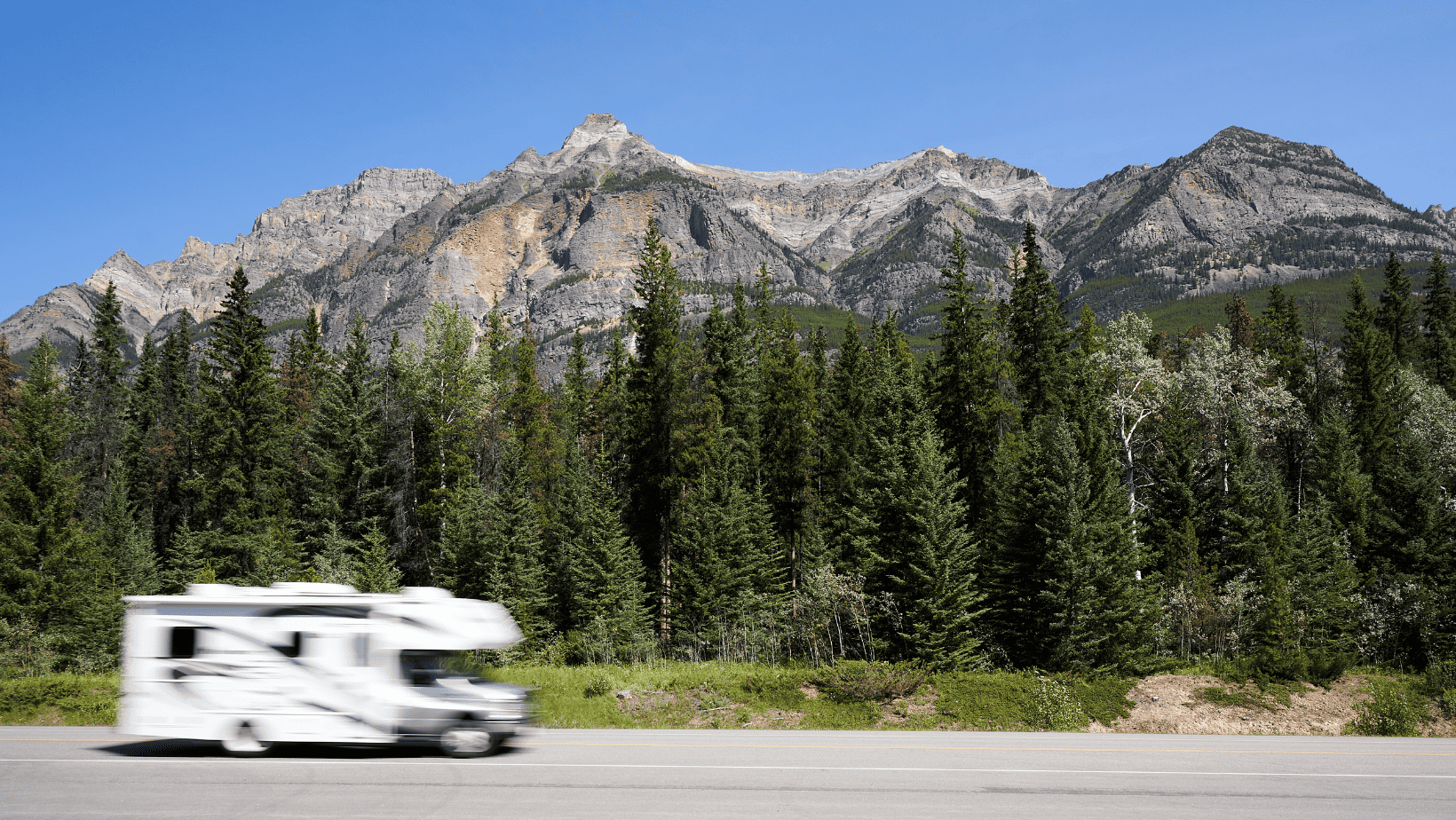
Embarking on an RV trip is an exciting adventure, but it requires careful planning and preparation to ensure a smooth and enjoyable journey. Before you hit the open road, there are several essential tasks you should complete to make your RV trip safe, comfortable, and stress-free. In this guide, we'll outline nine important things to do before you leave the driveway on your RV trip, ensuring you're well-prepared for the road ahead.
1. RV Inspection and Maintenance
Before you start your journey, thoroughly inspect your RV to ensure it's in good working condition. Check for any visible damage, leaks, or signs of wear and tear. Test all systems, including electrical, plumbing, and HVAC, to address any issues before they become problems on the road. Don't forget to check tire pressure and the condition of your spare tire.
2. Safety Checks
Safety should always be a top priority. Check the smoke detectors and carbon monoxide detectors in your RV to ensure they are functioning correctly. Review the location of the fire extinguisher and first-aid kit, and make sure they are easily accessible.
3. Documentation and Permits
Gather and organize all necessary documentation for your trip. This includes your driver's license, RV registration and insurance, and any required permits or passes for national parks or campgrounds you plan to visit. Keep these documents in a secure and easily accessible location.
4. RV Essentials and Supplies
Pack all essential RV supplies and equipment, including leveling blocks, chocks, water hoses, sewer hoses, and a surge protector. Ensure you have enough freshwater and propane for your trip, and stock up on any specific supplies you'll need based on your travel plans.
5. Route Planning and Navigation
Plan your route and have a clear understanding of your intended stops and destinations. Use GPS or navigation apps designed for RV travel to find the best routes, avoid low clearance areas, and locate RV-friendly campgrounds or rest areas along the way.
6. Weather Forecast
Check the weather forecast for your travel dates and destinations. Being aware of potential weather challenges, such as storms or extreme heat, will help you make informed decisions and prepare accordingly. Pack clothing and gear suitable for the expected weather conditions.
7. Secure Loose Items
Inside your RV, secure loose items that could shift during travel and become hazards. This includes kitchen utensils, toiletries, and any items stored on countertops or shelves. Use non-slip shelf liners and organizers to help keep things in place.
8. Utilities and Appliances
Ensure that all appliances and utilities in your RV are turned off before you hit the road. This includes the refrigerator, stove, oven, and water heater. Double-check that all windows and vents are closed to prevent drafts while driving.
9. Emergency and Contact Information
Prepare an emergency contact list with phone numbers for roadside assistance, your RV manufacturer or dealer, and any family or friends you may need to reach in case of an emergency. Share your travel itinerary with someone you trust, so they are aware of your plans and can assist if needed.
Conclusion
Completing these nine essential pre-departure tasks will help you embark on your RV trip with confidence, knowing that your RV is in good condition, your safety measures are in place, and your journey is well-planned. Taking the time to prepare before you leave the driveway ensures a smoother, more enjoyable adventure on the open road. So, get ready to create unforgettable memories as you explore new destinations and savor the freedom of RV travel. Safe travels!
1. RV Inspection and Maintenance
Before you start your journey, thoroughly inspect your RV to ensure it's in good working condition. Check for any visible damage, leaks, or signs of wear and tear. Test all systems, including electrical, plumbing, and HVAC, to address any issues before they become problems on the road. Don't forget to check tire pressure and the condition of your spare tire.
2. Safety Checks
Safety should always be a top priority. Check the smoke detectors and carbon monoxide detectors in your RV to ensure they are functioning correctly. Review the location of the fire extinguisher and first-aid kit, and make sure they are easily accessible.
3. Documentation and Permits
Gather and organize all necessary documentation for your trip. This includes your driver's license, RV registration and insurance, and any required permits or passes for national parks or campgrounds you plan to visit. Keep these documents in a secure and easily accessible location.
4. RV Essentials and Supplies
Pack all essential RV supplies and equipment, including leveling blocks, chocks, water hoses, sewer hoses, and a surge protector. Ensure you have enough freshwater and propane for your trip, and stock up on any specific supplies you'll need based on your travel plans.
5. Route Planning and Navigation
Plan your route and have a clear understanding of your intended stops and destinations. Use GPS or navigation apps designed for RV travel to find the best routes, avoid low clearance areas, and locate RV-friendly campgrounds or rest areas along the way.
6. Weather Forecast
Check the weather forecast for your travel dates and destinations. Being aware of potential weather challenges, such as storms or extreme heat, will help you make informed decisions and prepare accordingly. Pack clothing and gear suitable for the expected weather conditions.
7. Secure Loose Items
Inside your RV, secure loose items that could shift during travel and become hazards. This includes kitchen utensils, toiletries, and any items stored on countertops or shelves. Use non-slip shelf liners and organizers to help keep things in place.
8. Utilities and Appliances
Ensure that all appliances and utilities in your RV are turned off before you hit the road. This includes the refrigerator, stove, oven, and water heater. Double-check that all windows and vents are closed to prevent drafts while driving.
9. Emergency and Contact Information
Prepare an emergency contact list with phone numbers for roadside assistance, your RV manufacturer or dealer, and any family or friends you may need to reach in case of an emergency. Share your travel itinerary with someone you trust, so they are aware of your plans and can assist if needed.
Conclusion
Completing these nine essential pre-departure tasks will help you embark on your RV trip with confidence, knowing that your RV is in good condition, your safety measures are in place, and your journey is well-planned. Taking the time to prepare before you leave the driveway ensures a smoother, more enjoyable adventure on the open road. So, get ready to create unforgettable memories as you explore new destinations and savor the freedom of RV travel. Safe travels!