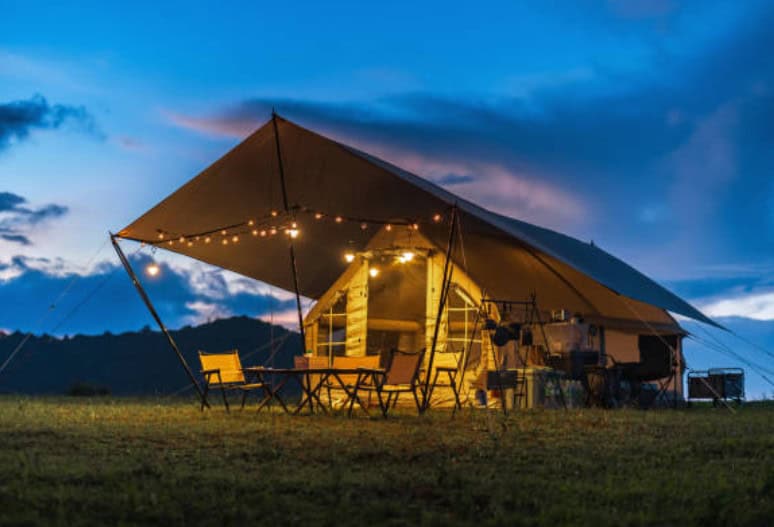
Camping is one of the best ways to connect with nature, but with that privilege comes responsibility. To ensure that the beauty and integrity of the wilderness remain intact for future generations, it’s essential to follow the principles of Leave No Trace (LNT). These guidelines help minimize our environmental impact and protect the natural spaces we love. Whether you're a seasoned camper or new to the outdoors, here's how to camp responsibly and Leave No Trace.
1. Plan Ahead and Prepare
The foundation of responsible camping begins long before you set up your tent. Thoughtful preparation can prevent unnecessary damage to the environment.
- Know the Rules: Research your destination and familiarize yourself with park or campground regulations. Some areas may have restrictions on fires, pets, or access.
- Pack Smart: Bring reusable items, like water bottles and utensils, to reduce waste. Avoid overpacking to minimize your footprint.
- Prepare for Weather: Unexpected weather changes can lead to harmful decisions, like cutting new trails or damaging vegetation to seek shelter. Pack appropriate clothing and gear.
Being well-prepared ensures you’re less likely to disrupt the environment or wildlife in emergencies.

=
2. Travel and Camp on Durable Surfaces
Choosing where to walk and camp can significantly impact the land.
- Stick to Trails: Use established trails to prevent soil erosion and damage to vegetation. Avoid shortcuts that create new paths.
- Camp on Stable Ground: Set up your tent on hard-packed soil or designated campsites. Avoid sensitive areas like wetlands, grasslands, or areas near water sources, which can be easily damaged.
Durable surfaces are nature’s way of saying, “You can step here!”
3. Dispose of Waste Properly
“Pack it in, pack it out” is a golden rule of camping.
- Trash: Carry out all your garbage, including biodegradable items like orange peels and coffee grounds. These may take longer to decompose in nature and attract wildlife.
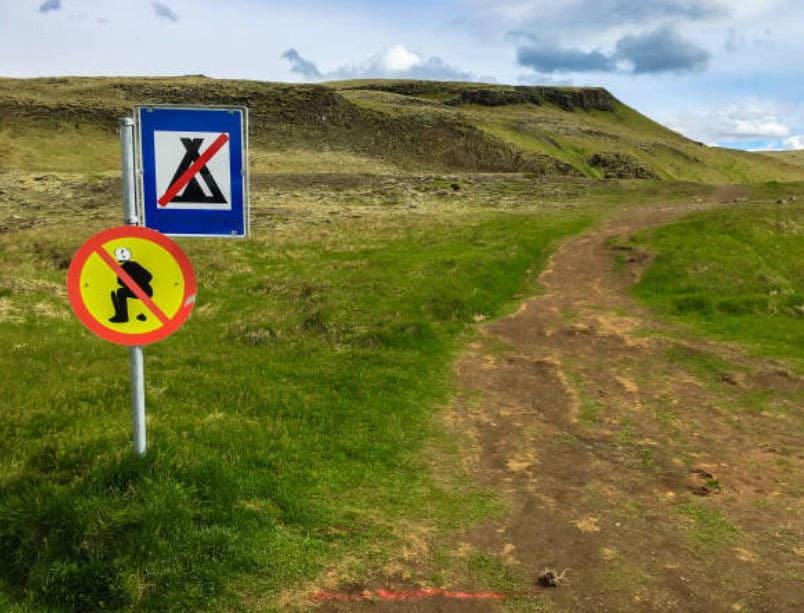
- Human Waste: If there are no restrooms, bury human waste in a hole at least 6-8 inches deep and 200 feet away from water sources. Use biodegradable toilet paper or pack it out.
- Greywater: Strain food scraps from dishwater and scatter it far from your campsite. Use biodegradable soap sparingly and away from water sources.
Leaving the wilderness cleaner than you found it is the ultimate goal.

4. Leave What You Find
Nature is beautiful because of its diversity and untouched charm. Help preserve it by leaving things as they are.
- Don’t Pick Plants or Flowers: It may seem harmless, but removing vegetation disrupts ecosystems and denies future visitors the chance to enjoy it.
- Leave Rocks and Artifacts: Whether it’s a unique stone or an arrowhead, let it stay where it belongs.
- Minimize Site Alterations: Avoid digging trenches or building structures like furniture or fire pits.
Take only pictures, leave only footprints!

5. Minimize Campfire Impact
Campfires are a classic part of camping, but they come with risks.
- Use a Camp Stove: Stoves are a safer and more eco-friendly option for cooking.
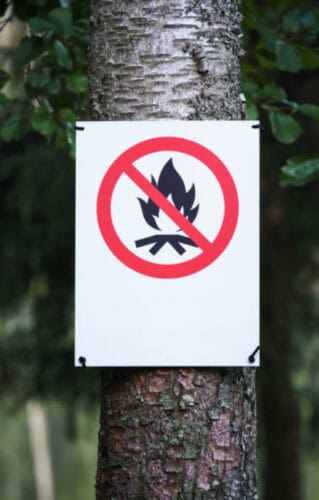
- Keep Fires Small: If fires are allowed, use established fire rings and keep them small. Use only small sticks found on the ground.
- Burn Responsibly: Burn all wood and coals completely to ash, then cool and scatter the ashes. Never burn trash, as it releases harmful toxins.
Some areas are too fragile for fires—respect local fire restrictions.
6. Respect Wildlife
Encounters with wildlife are magical, but they should always be on the animals’ terms.
- Don’t Feed Wildlife: Human food is harmful to animals and teaches them to rely on people, which can lead to dangerous encounters.
- Observe from a Distance: Use binoculars or zoom lenses to admire wildlife without disturbing them.
- Store Food Securely: Use bear-proof containers or hang food to keep it safe from curious animals.
Remember, you’re visiting their home—treat it with care.
7. Be Considerate of Others
One of the joys of camping is the sense of solitude and peace it provides. Be mindful of fellow campers to ensure everyone has a positive experience.
- Keep Noise Levels Down: Avoid loud music or yelling. Let nature’s sounds take center stage.
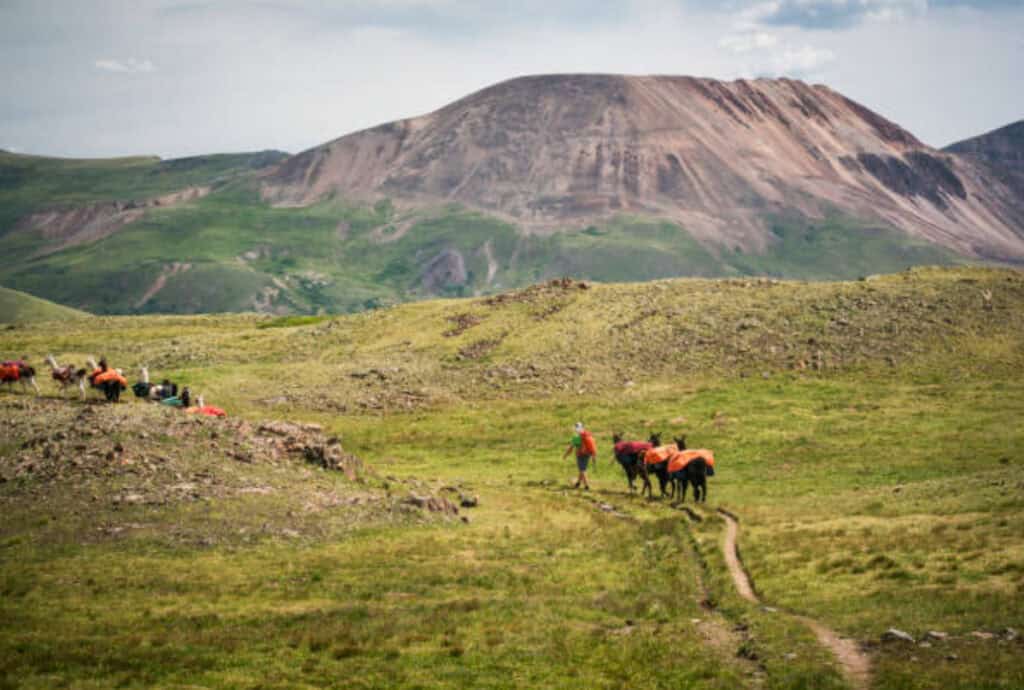
- Share the Trail: Yield to hikers going uphill and give plenty of space to others passing by.
- Respect Quiet Hours: Many campgrounds have quiet hours. Even in dispersed camping, keep noise to a minimum during nighttime.
Kindness and courtesy go a long way in the outdoors.
Why Leave No Trace Matters
Nature is resilient, but it’s not invincible. Even small actions, like trampling wildflowers or leaving a candy wrapper, can have long-lasting effects on ecosystems. The Leave No Trace principles aren’t just rules—they’re a mindset that fosters respect for the natural world. By adopting these practices, you’re helping ensure that the wilderness remains wild and beautiful for generations to come.
Camping responsibly isn’t just about following guidelines—it’s about fostering a deeper connection with nature and ensuring its preservation. Whether you’re pitching a tent in a national park or parking your RV in the wilderness, the principles of Leave No Trace can help you enjoy the outdoors while protecting it. So, pack your gear, head out to your favorite campsite, and leave the land exactly as you found it—or better. Happy camping!