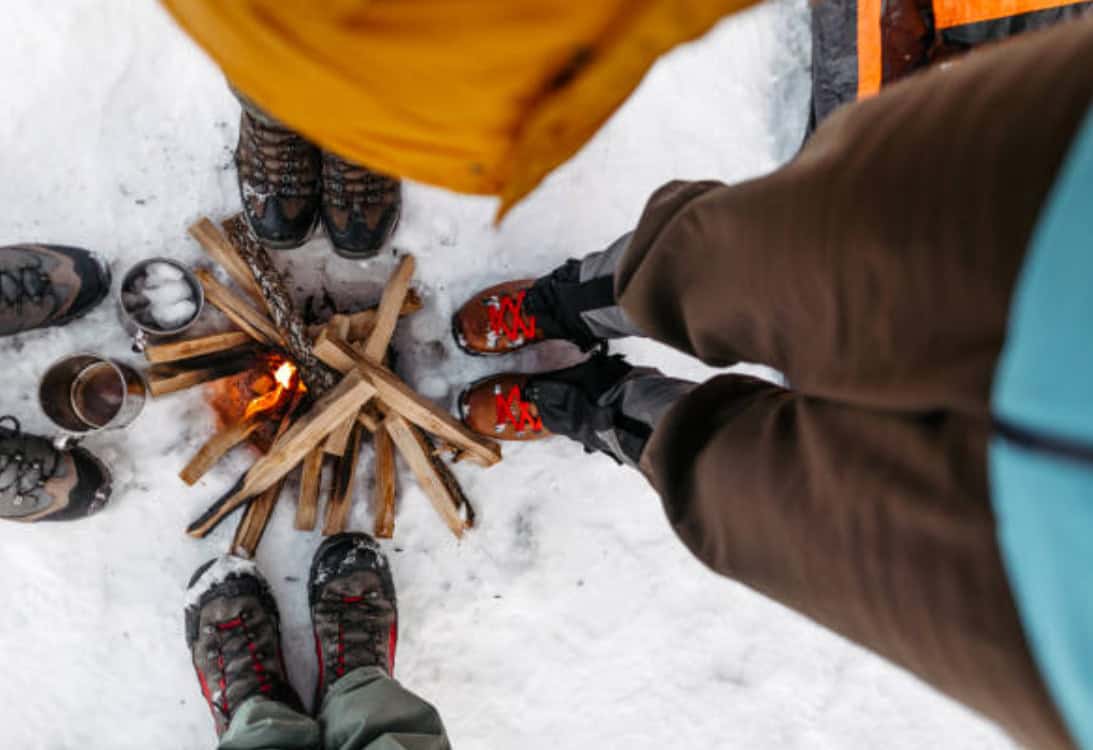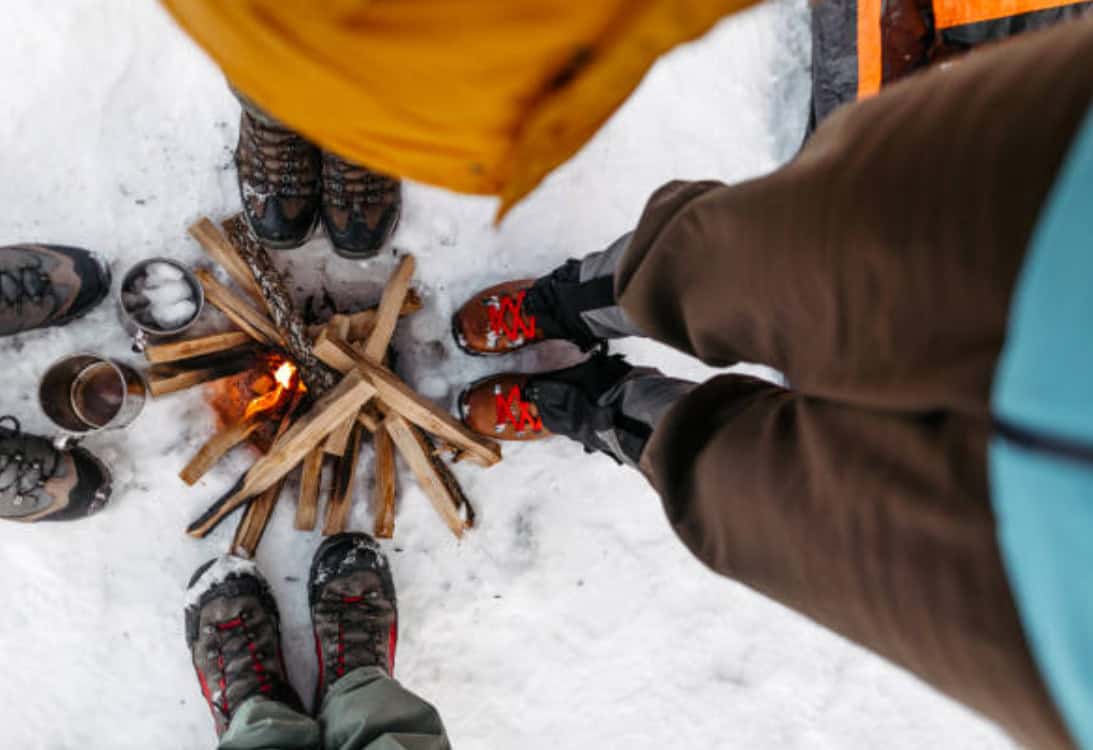
Winter camping is a magical experience, with snow-covered landscapes and crisp, quiet mornings offering a serene escape from the everyday hustle. But staying warm and dry is essential to fully enjoy your adventure. Layering your clothing correctly isn’t just a survival tactic—it’s an art form, a dance of fabrics and features that ensures you stay cozy no matter how chilly it gets. Ready to become a layering guru? Let’s dive into the fun and practicality of mastering this essential winter camping skill.
The Base Layer: Your Second Skin
Picture this: You’re about to embark on a snowy hike, and the first thing you throw on is your trusty base layer. This is your superhero suit, the unsung hero of winter camping comfort.
- Why It’s Important: The base layer sits closest to your skin and is responsible for wicking away sweat. If moisture lingers, it cools you down fast—not ideal in freezing temperatures.
- What to Look For: Fabrics like merino wool or synthetics (like polyester) are your go-to. They’re lightweight, breathable, and quick-drying. Cotton? That’s a big no-no. It’s a moisture trap waiting to betray you.
- Pro Tip: Invest in a two-piece base layer set. Long-sleeve tops and leggings create a seamless cocoon of warmth.
Fun Fact: Merino wool isn’t itchy! It’s soft, odor-resistant, and feels like a warm hug from a sheep (without the barnyard smell).
The Mid Layer: Your Insulation MVP
Next up, we’ve got the middle child of layering—the mid layer. It’s not flashy, but it’s what keeps you warm and happy when the mercury drops.
- Why It’s Important: The mid layer traps heat, creating a thermal barrier between you and the cold air. Think of it as your portable furnace.
- What to Look For: Fleece, down, or synthetic insulated jackets are all great options. Fleece is lightweight and breathable, while down offers unbeatable warmth for its weight. Synthetic insulation is a champ in wet conditions.
- Layer It Up: A fleece jacket paired with a lightweight down vest? Chef’s kiss. You’ve got warmth and versatility all in one outfit.
Pro Tip: Carry an extra mid layer in your pack. When you stop moving, you can throw it on to prevent heat loss.
The Outer Layer: Your Weather Warrior
Finally, we’ve reached the grand finale: the outer layer. This is your suit of armor, protecting you from snowstorms, biting winds, and surprise slush puddles.
- Why It’s Important: The outer layer shields you from the elements while allowing sweat to escape. No one wants to feel like they’re camping in a plastic bag.
- What to Look For: Waterproof and breathable materials like Gore-Tex are your best friend. Look for jackets and pants with taped seams, adjustable hoods, and vents for added comfort.
- Style Points: Choose bold colors for visibility in snowy conditions—and to look great in those Instagram shots.
Pro Tip: Don’t forget about your legs! Waterproof snow pants or shell pants are a must-have to keep your lower half dry and warm.
Why Layering Matters
Layering isn’t just about staying warm—it’s about flexibility. Imagine you’re starting your morning hike bundled up in all three layers. By noon, the sun is shining, and you’re working up a sweat. With a proper layering system, you can peel off the mid layer, stash it in your pack, and stay perfectly comfortable.
Key Benefits:
- Adaptability to changing weather.
- Prevention of overheating and sweating.
- Lightweight warmth without bulk.
Fun Challenge: Practice layering before your trip! Try different combinations at home to see what feels most comfortable for various activity levels.
Layering Hacks and Tips
Here’s how to take your layering game to the next level:
- Vent When You Sweat: Use zippers, vents, or even roll up your sleeves to dump heat without removing layers.
- Prioritize Fit: Your base layer should be snug, mid layer slightly looser, and outer layer roomy enough for all your layers underneath.
- Pack Extras: Always carry a spare base layer and gloves. You’ll thank yourself if something gets wet.
- Think Lightweight: Opt for high-performance fabrics that offer warmth without adding unnecessary weight.
Pro Tip: Use stuff sacks to compress your extra layers in your pack. They’ll take up less space, leaving more room for snacks (the true winter camping essential).
Making Layering Fun
Who says staying warm has to be boring? Layering can be a fun and creative way to express your style. Mix and match colors, patterns, and textures to create a winter look that’s uniquely you. Bonus: Bright colors make it easier for your friends to spot you in a snowstorm.
Fashion Challenge: Turn your camping group into a runway show. Award prizes for the most creative or coordinated layered outfit—just don’t forget to stay warm in the process.
Conclusion
Layering is more than just a camping strategy—it’s an art form that keeps you warm, dry, and ready for adventure. By mastering the base, mid, and outer layers, you can tackle any winter camping trip with confidence and style. So gear up, embrace the snow, and show winter who’s boss. With your layering skills dialed in, the only thing left to do is enjoy the frosty magic of the great outdoors.