The Hidden History Behind Your Favorite RV Parks
Pull into almost any well-equipped commercial RV park today — with its level concrete pads, 50-amp hookups, and fiber-optic Wi-Fi — and you're looking at decades of federal influence made physical. Most campers never think about it, but the sprawling network of commercial campgrounds across North America didn't happen by accident. Government policy, infrastructure investment, and regulatory decisions quietly shaped the landscape of RV travel as we know it. Understanding that history makes every campfire feel a little more meaningful.
The Interstate Effect: Roads That Built an Industry
It all starts with pavement. The Federal Aid Highway Act of 1956 — which created the Interstate Highway System — didn't just connect cities. It connected campgrounds. As reliable, high-speed roads began crisscrossing the country, RV manufacturers responded with bigger, heavier, faster rigs. And wherever those rigs could roll, entrepreneurs followed with land, hook-ups, and amenities.
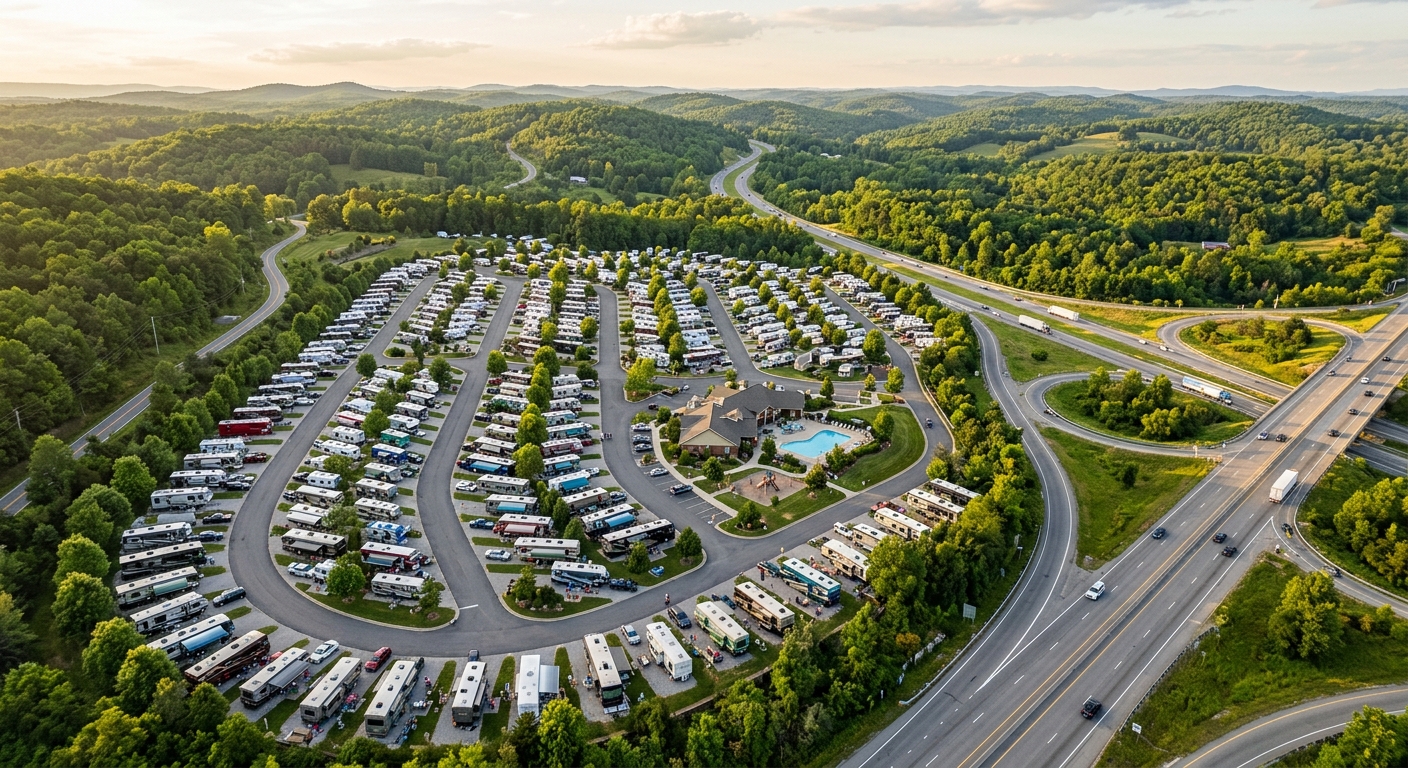
Commercial RV parks clustered near interstate exits for a reason: federal dollars built the on-ramps that brought the customers. Communities along major corridors discovered that a well-placed campground could capture enormous travel traffic. Today, when you browse the 28,000+ campgrounds on CampgroundViews.com, you'll notice that a huge percentage of commercial parks sit within minutes of a major interstate — that's the highway bill's legacy, still visible on every map.
Tax Incentives and the Rise of the RV Park Developer
Federal tax policy played a surprisingly large role too. Depreciation rules, small business incentives, and real estate investment frameworks made campground development an attractive venture for entrepreneurs through the 1970s and 1980s. As RV ownership surged — fueled partly by the oil crisis pushing people toward road-based domestic vacations — private developers rushed to meet demand.
The result was a golden era of campground construction. Franchise systems like KOA expanded rapidly, and independent operators staked out prime land along rivers, lakefronts, and mountain passes. Many of the parks with the most character and history on CampgroundViews.com were born in this entrepreneurial boom, shaped as much by tax code as by topography.
Public Lands Policy: The Push Toward Private
Federal public land decisions also redirected campers toward commercial parks in ways that weren't always obvious. Caps on stays at national forest campgrounds, reservation systems on public lands, and infrastructure underinvestment in certain regions all created gaps that private campgrounds were happy to fill. When a family couldn't snag a spot at a beloved national park, a nearby commercial RV park with full hookups became the natural alternative.
This push-pull between public and private camping continues today. It's one reason why savvy campers use CampgroundViews.com's virtual tours to scout both public and private options before they commit — understanding what each offers helps you make the best choice for your style of travel.
What This Means for Modern Campers
The federal fingerprints on the campground industry have real implications for your trip planning right now. Here's what to keep in mind:
- Location is intentional: Commercial parks near interstate exits were built for convenience — great for one-night stopovers on long hauls.
- Amenities reflect investment eras: Parks built in different decades often reflect the standards and incentives of their time. Older parks may have charm but aging infrastructure; newer ones often boast modern amenities.
- Consolidation is real: Private equity and large campground chains have acquired many independent parks in recent years, a trend accelerated by pandemic-era outdoor travel demand. Independently owned gems are worth seeking out and supporting.
- Advocacy matters: Federal decisions continue to shape camping. Land-use policy, highway funding, and public land management all affect where and how you camp.
Discover the Parks That History Built
Whether you're pulling a fifth wheel into a slick modern resort or backing a pop-up into a family-owned park that's been around since 1971, you're experiencing the layered result of policy, investment, and American wanderlust. The best way to find campgrounds that truly fit your vibe — historic charm, modern amenities, or something in between — is to explore them visually before you go.
CampgroundViews.com's library of 3,600+ virtual tours lets you walk the grounds, check the pad sizes, and get a real feel for a park before you ever hitch up your rig. History got us here. Now go explore it.