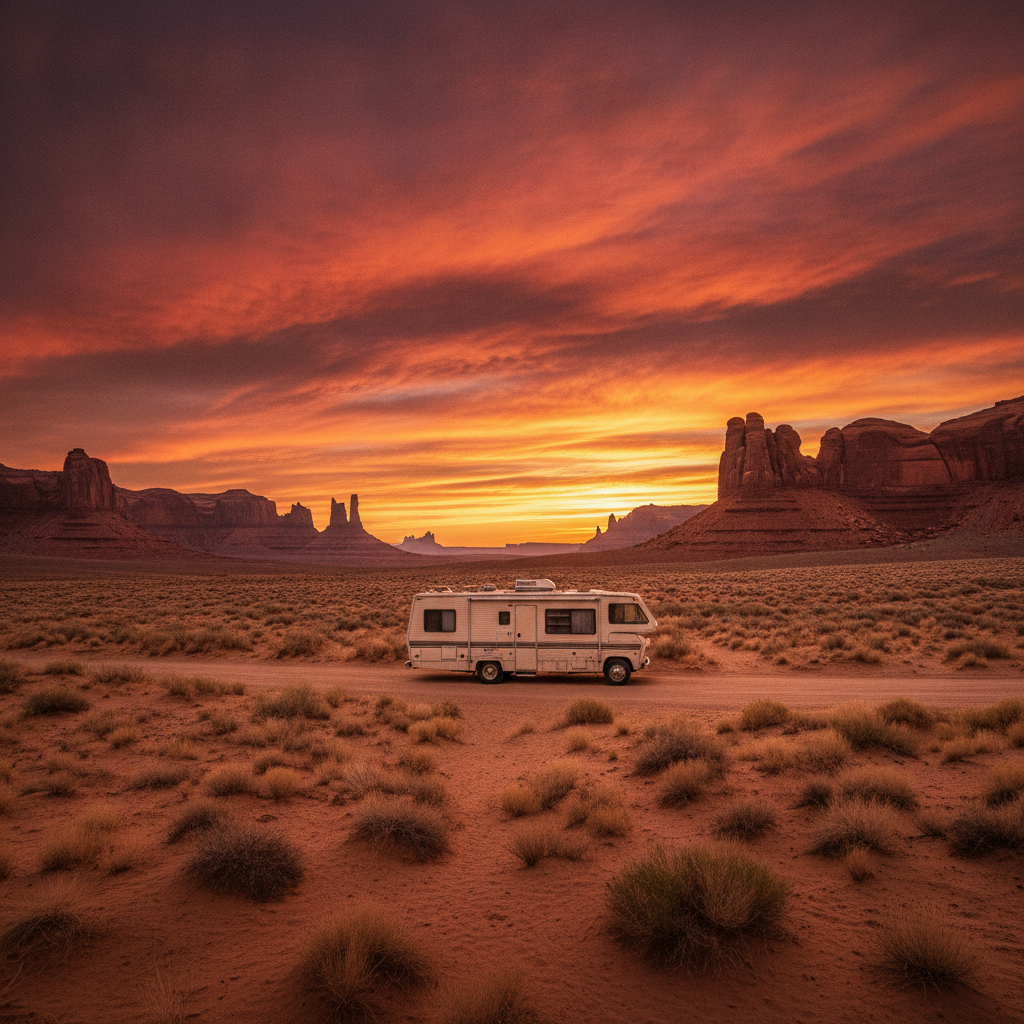
Why Savvy Campers Are Looking Beyond the National Parks
Let's be honest — America's national parks are spectacular. But with record-breaking visitation numbers and infrastructure that's struggling to keep pace, pulling your RV into Yellowstone or the Grand Canyon these days can feel less like a wilderness escape and more like a traffic jam with a prettier view. Overflowing dump stations, reservation systems that sell out months in advance, and stressed park rangers doing the work of three people have many campers reconsidering their travel plans.
The silver lining? Some of the most breathtaking camping in North America exists outside the national park system — and a lot of it is completely free. Welcome to the world of boondocking.
What Is Boondocking, Exactly?
Boondocking (also called dispersed camping or dry camping) means camping without hookups — no water, no electric, no sewer connections — typically on public land managed by the Bureau of Land Management (BLM), the U.S. Forest Service (USFS), or similar agencies. You're self-sufficient, off the beaten path, and often surrounded by landscapes just as jaw-dropping as anything inside a national park boundary — minus the entrance fees and the elbow-to-elbow campsite neighbors.
Where to Find Free Boondocking Sites
This is the question every new boondocker asks first, and the answer is more abundant than you might expect. Here's where to start your search:
- BLM Land: The Bureau of Land Management oversees roughly 245 million acres across the western United States. Much of it allows free dispersed camping for up to 14 days. States like Utah, Nevada, Arizona, Colorado, and New Mexico are goldmines for BLM boondocking.
- National Forests: Unlike national parks, most national forests permit dispersed camping away from developed sites. Check with the specific ranger district for rules before you go.
- State Trust Lands: Often overlooked, state trust lands in places like Arizona and Montana offer additional dispersed camping opportunities, sometimes requiring a low-cost permit.
- CampgroundViews.com: Use CampgroundViews to discover campgrounds near public lands, read real camper reviews, and even take virtual tours of areas you're considering — so you know exactly what you're getting into before you unhitch.
Essential Gear for a Successful Boondocking Trip
Boondocking rewards preparation. Without campground hookups, you need to bring everything you need and manage everything you generate. Here's what experienced boondockers never leave home without:
- Solar panels and a battery bank: A solid solar setup is a game-changer. Even a 200-watt system can keep your lights, fans, and devices running comfortably.
- Fresh water storage: Fill your tank completely before heading out and invest in a water filter for backup. A general rule of thumb is one gallon per person per day, minimum.
- Waste management: Know your gray and black tank capacities. Portable waste tanks and composting toilet options can significantly extend your stay.
- Offline maps: Cell service is often nonexistent in the best boondocking spots. Download maps via apps like Gaia GPS or OnX Offroad before you lose signal.
- A generator (and fuel): Solar is great, but cloudy days happen. A quiet, inverter-style generator gives you a reliable backup.
Boondocking Etiquette: Leave It Better Than You Found It
The freedom of boondocking comes with real responsibility. These lands stay open for dispersed camping only because users respect them. Pack out everything you pack in — and then some. Camp at least 200 feet from water sources, use a fire ring or elevated fire pan where allowed, and follow all local fire restrictions religiously. Resist the urge to create new fire rings or clear vegetation for your site. The goal is to leave zero trace that you were ever there.
The Bottom Line: More Space, Less Stress
National parks will always have a special place in the American camping story, and they absolutely deserve our support and advocacy. But while the NPS works through its funding and capacity challenges, the smartest campers are discovering that the country's public lands offer an almost limitless alternative. Less competition, more solitude, no reservation scrambles, and zero entrance fees — boondocking might just be the upgrade your camping life has been waiting for.
Ready to find your next off-grid escape? Browse thousands of campgrounds near prime BLM and forest land on CampgroundViews.com and start planning your most adventurous trip yet.