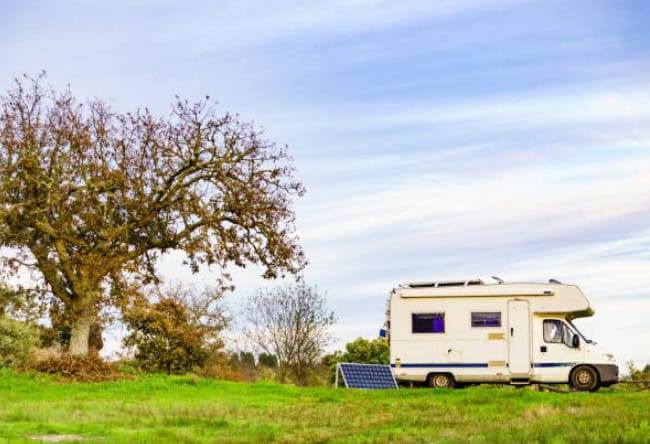
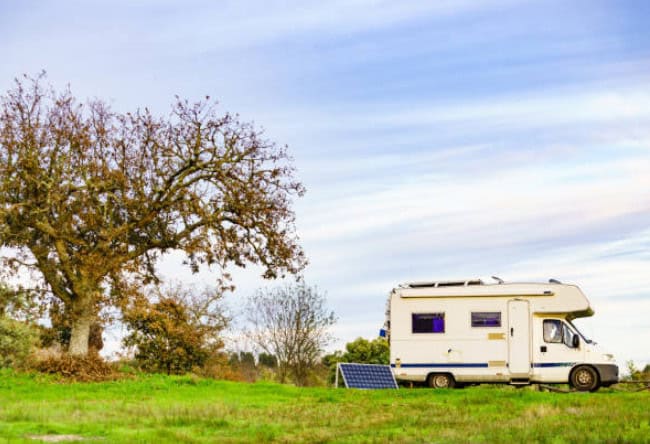
RVing doesn’t have to mean leaving a big footprint behind. In fact, with a few thoughtful upgrades, your home on wheels can be a lot more efficient, sustainable, and self-reliant. These eco-friendly RV mods aren’t just trendy—they actually work.
Whether you're looking to save water, cut back on fuel use, or reduce your dependence on shore power, these practical modifications will help you travel smarter and greener.
🌞 1. Solar Panels for Sustainable Power
One of the easiest ways to cut generator use and power your essentials while boondocking.
Why it works:
-
Reduces noise and emissions from generators
-
Keeps batteries charged during the day
-
Allows longer off-grid stays
Even a 100-watt panel can power lights, fans, and charge devices. For heavier usage (like a fridge or laptop), a full solar array paired with lithium batteries is a solid investment.
💡 2. LED Lighting Upgrade
Swapping out all your old bulbs with LEDs might not seem exciting, but it’s one of the easiest ways to reduce energy use.
Why it works:
-
Uses up to 90% less energy
-
Lasts much longer
-
Stays cooler (which helps with climate control)
Bonus: They come in warm tones now—so you won’t miss the glow of your old bulbs.
🚽 3. Composting Toilet
It may sound unconventional, but a composting toilet is a total game-changer for off-grid life.
Why it works:
-
Uses no water
-
Eliminates the need for a black tank
-
Turns waste into compost with no smell when used correctly
Fewer dump station visits? Yes, please.
💧 4. Rainwater Collection Setup
Set up a simple system using your awning or roof to funnel rainwater into a barrel or container. Use this non-potable water for rinsing gear, flushing, or even washing dishes (after filtration if needed).
Why it works:
-
Reduces freshwater tank usage
-
Taps into a free natural resource
-
Encourages conservation
Add a basic filter and portable pump to make the system even more useful.
🔋 5. Lithium Battery Upgrade
Lead-acid batteries work, but lithium batteries are lighter, longer-lasting, and more efficient.
Why it works:
-
Faster charging
-
Deeper discharging without damage
-
Lightweight and maintenance-free
Pair them with solar and an inverter for a clean, silent power system.
♻️ 6. Onboard Recycling & Waste Station
Being on the road doesn't mean you have to toss everything in one bin. Set up a small space for recycling and food waste.
How to do it:
-
Use stackable bins or collapsible containers
-
Label them for cans, plastic, paper, etc.
-
Research recycling drop-offs along your route
Add a small compost container for food scraps if you’re staying in one spot for a while.
🌬️ 7. Ventilation Upgrades
MaxxAir fans, window shades, and reflective coverings reduce your need for AC and help regulate temperature naturally.
Why it works:
-
Keeps your rig cooler
-
Improves airflow without drawing much power
-
Reduces reliance on energy-hungry air conditioning
Combine passive cooling with solar for the ultimate summer setup.
🌱 Final Thoughts
You don’t need to be a hardcore minimalist to travel sustainably. These small tweaks can reduce your environmental impact, save you money, and make your RV more independent—without sacrificing comfort.
Eco-friendly RV living isn’t about perfection. It’s about progress.
So take a step. Add a panel. Swap a bulb. Rethink your setup.
Your future trips (and the planet) will thank you.