Understanding the intricacies of your RV's electrical system is crucial for a smooth and hassle-free camping experience. One common question that often arises is whether an RV battery charges when the vehicle is plugged into shore power. This fundamental aspect of RVing can significantly impact your ability to enjoy modern amenities while on the road. As an RV industry expert, I'm here to provide you with a clear and comprehensive answer to this important question.
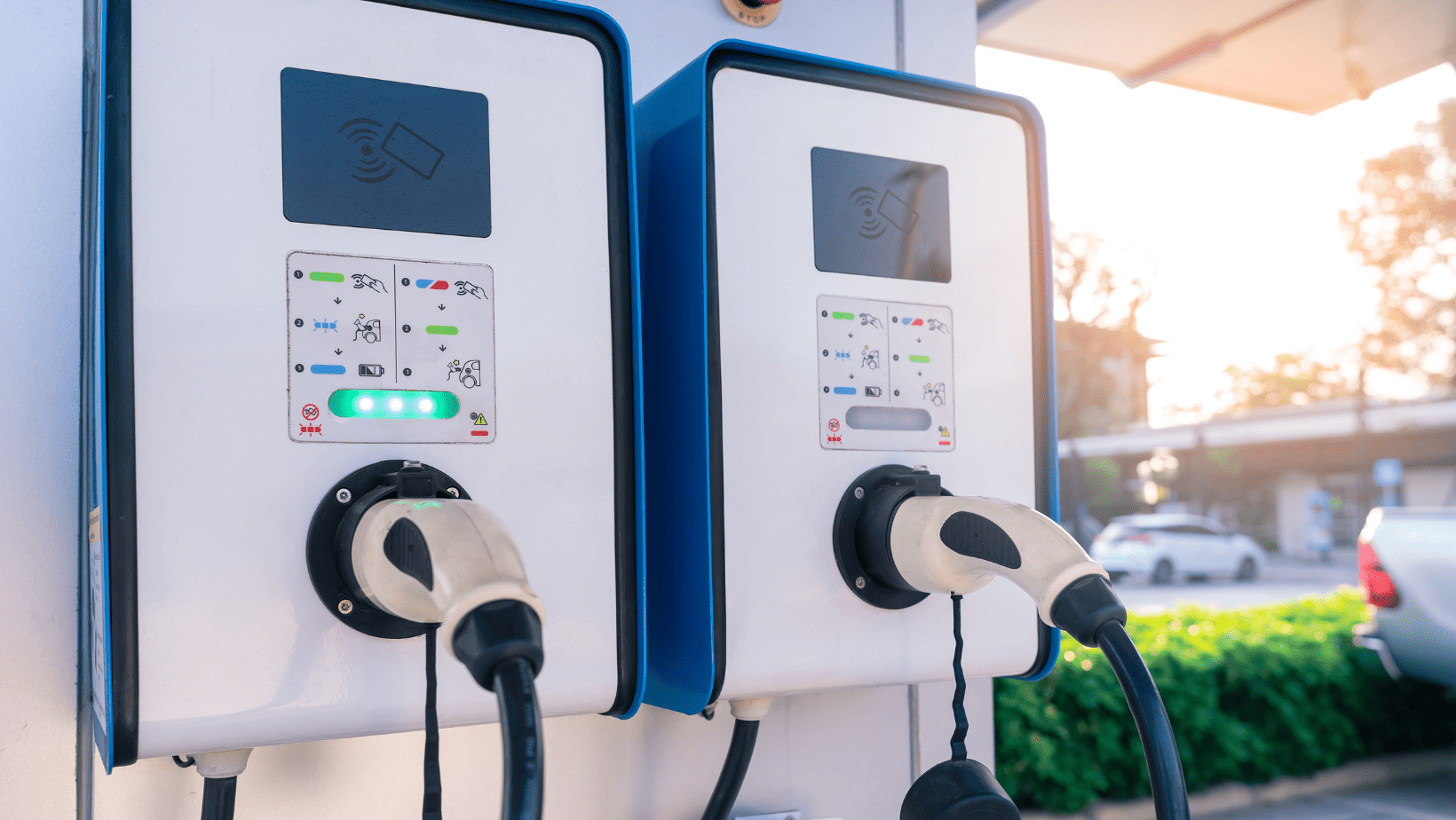
- Converter or Inverter-Charger
The charging process for an RV's battery when connected to shore power depends on the type of unit you have. Most RVs are equipped with a converter or an inverter-charger.
- Converter: Passive Charging
If your RV is equipped with a converter, it will charge the battery when connected to shore power. A converter transforms the incoming AC (alternating current) from the campground's electrical hookup into DC (direct current) to power your RV's appliances and accessories. Simultaneously, it provides a trickle charge to your RV battery.
- Inverter-Charger: Active Charging
An inverter-charger is a more advanced system. When connected to shore power, it actively charges your RV battery while also providing AC power to your appliances. This dual functionality ensures your battery receives a steady charge, keeping it fully powered for your needs.
- Battery Disconnect Switch
Some RVs come with a battery disconnect switch. It's important to ensure that this switch is in the "on" position when connected to shore power. If it's in the "off" position, your battery may not charge, and your electrical system may draw power from the shore connection instead.
- Solar Panels and Generators
In addition to shore power, many RVs are equipped with solar panels and generators. These systems can also charge your RV battery. If your RV has solar panels, they harness energy from the sun to charge the battery. Generators, when running, can provide a robust charging source.
- Battery Condition and Maintenance
The effectiveness of battery charging also depends on the condition of your RV battery. Regular maintenance and monitoring of the battery's water levels and overall health are essential to ensure it receives and retains a charge effectively.
- Energy Management Systems
Some modern RVs come with energy management systems that prioritize which electrical source to use and when. Understanding your RV's specific system can help you maximize the efficiency of your battery charging process.
Conclusion
In summary, when your RV is plugged into shore power, the RV battery does charge. The method and efficiency of charging depend on your RV's electrical system, including whether you have a converter or an inverter-charger. It's essential to keep your battery in good condition, ensure that the battery disconnect switch is in the correct position, and understand any energy management systems your RV may have. With this knowledge, you can make the most of your RV's electrical capabilities and enjoy a comfortable and worry-free camping experience.