 1. Location Matters: The Influence of Geography
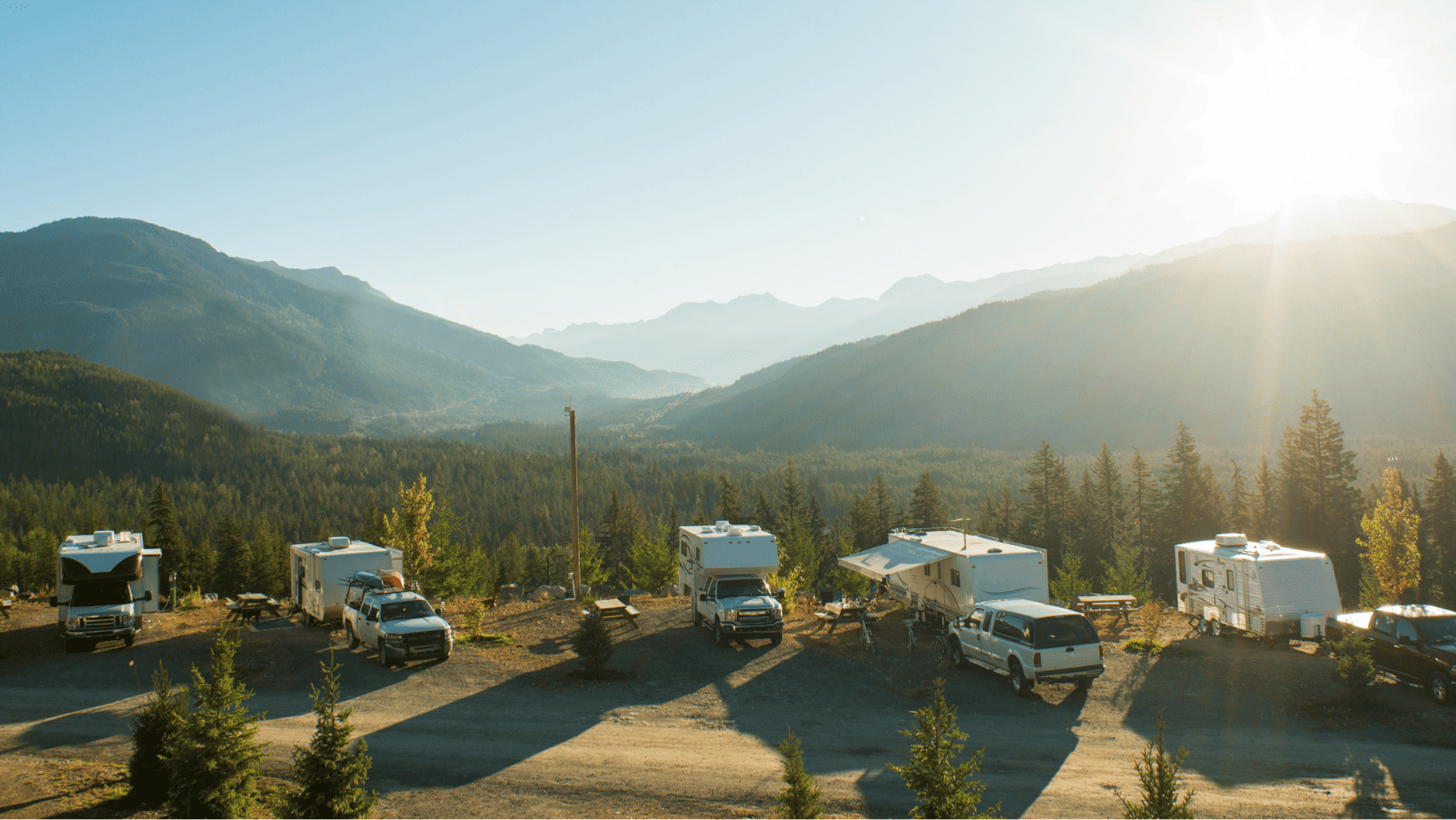
The old adage, "location, location, location," holds true in the RV park industry. RV park rates are heavily influenced by their geographical location. Parks situated in popular tourist destinations, scenic areas, or near major attractions tend to command higher rates. The simple law of supply and demand plays a significant role here. If a park is conveniently located for visitors seeking unique experiences, the demand for spaces increases, allowing park owners to charge premium rates.
2. Amenities and Services: Paying for the Perks
Many RV parks invest in amenities and services that enhance the overall experience for guests. These can include swimming pools, hot tubs, laundry facilities, Wi-Fi access, and more. These added perks come with operational costs, including maintenance, staffing, and utilities. As a result, RV parks that offer an array of amenities often charge higher rates to cover these ongoing expenses and provide a superior experience to their guests.
3. Peak Season Premiums: When Demand Peaks, So Do Prices
RV parks often employ peak-season pricing strategies. During holidays, summer months, or special events, when demand is at its highest, park rates may spike. This allows park operators to capitalize on increased demand, maximize their revenue, and ensure that they can continue providing quality services throughout the year.
4. Size Matters: The Impact of Park Size and Space Availability
The size of an RV park and the availability of spaces can also influence rates. Smaller parks with limited space and a more exclusive atmosphere may charge higher rates because of their scarcity. These parks often provide a quieter and more intimate camping experience, catering to travelers seeking a peaceful retreat.
5. Seasonal and Monthly Rates: Discounts for Long-Term Stays
For RV enthusiasts planning extended stays, many parks offer seasonal or monthly rates that can significantly reduce the daily cost of camping. These extended-stay rates make it more cost-effective for travelers who intend to enjoy a month or even an entire season at a particular destination.
6. Maintenance and Upkeep: The Price of a Well-Kept Park
Maintaining an RV park to high standards involves ongoing expenses. Regular maintenance, landscaping, improvements, and ensuring a clean and safe environment all contribute to operational costs. RV parks that prioritize these aspects may charge higher rates to cover the expenses associated with providing a well-kept and enjoyable atmosphere.
7. Utility Costs: The Price of Convenience
RV parks that offer full hookups, including electricity, water, and sewage connections, often charge higher rates due to the added utility costs involved. These parks provide the convenience of seamless access to essential services, making them appealing to many RV travelers.
8. Reputation and Reviews: Paying for Quality
RV enthusiasts often rely on reviews and word-of-mouth recommendations when choosing a park. Parks with a strong reputation for cleanliness, safety, excellent customer service, and a positive overall experience tend to charge higher rates. Guests are willing to pay a premium for the assurance of a quality stay.
9. Accessibility Matters: Proximity to Attractions and Highways
The convenience of a park's location can significantly impact its rates. RV parks that are easily accessible from major highways, attractions, or essential services may charge higher rates due to their strategic location. Travelers are often willing to pay more for the convenience of being close to their desired destinations.
10. Length of Stay: Longer Stays May Mean Lower Rates
Some RV parks offer discounts for longer stays. For instance, a weekly rate may be lower than the combined daily rates for the same duration. Travelers planning extended visits can take advantage of these discounts to reduce their overall expenses.
11. Booking Strategies: Early Birds May Catch Discounts
Booking your RV site well in advance can sometimes lead to discounted rates. RV parks may offer early bird specials or promotional deals for travelers who plan ahead and secure their reservations early.
12. Additional Fees: Clarify and Budget for Extras
Before booking, it's essential to inquire about any additional fees that may not be included in the base rate. These can include pet fees, extra guest fees, utility charges, or fees for specific amenities. Understanding the full cost of your stay allows you to budget accordingly and avoid unexpected surprises upon arrival.
13. Exploring Alternative Camping Options: Budget-Friendly Alternatives
RV enthusiasts seeking budget-friendly options should consider alternative camping locations such as state parks, national forests, or Bureau of Land Management (BLM) land. These often provide more affordable or even free camping opportunities, though they may not offer the same level of amenities as private RV parks.
14. Off-Peak and Shoulder Season Camping: Timing Is Key
Choosing to camp during off-peak or shoulder seasons can be an effective strategy for reducing costs. Rates tend to be lower during these periods, and campgrounds may offer special deals or discounts to attract visitors during less crowded times.
15. Research and Comparison: Find the Best Value
The RV community benefits from a wealth of resources, including RV park directories, websites, and reviews. Conduct thorough research and comparison to find RV parks that offer the best value for your preferences and budget. Reading reviews and experiences from fellow travelers can help you make informed decisions.
16. Negotiate for Discounts: Ask and You May Receive
When booking your stay, don't hesitate to inquire about potential discounts or promotions. Some RV parks may be willing to offer a lower rate, especially for longer-term reservations, or if you are part of certain memberships or groups.
17. Consider Boondocking: Embrace the Freedom of Dry Camping
For adventurous travelers, boondocking or dry camping in free or low-cost areas can significantly reduce expenses. While it may require more self-sufficiency and the absence of some amenities, it offers the freedom to explore diverse and often stunning locations without the burden of high park rates.
Conclusion: Balancing Cost and Experience
Understanding the factors that contribute to high RV park rates allows you to navigate the pricing landscape with greater confidence. While some RV parks may seem expensive, they often provide a range of amenities and services that justify the cost. When planning your RV adventures, balance your budgetary concerns with your desire for a memorable and enjoyable experience. Whether you choose a luxurious RV park with all the bells and whistles or opt for a more budget-friendly alternative, the RV lifestyle offers flexibility and a world of adventure waiting to be explored.
1. Location Matters: The Influence of Geography
The old adage, "location, location, location," holds true in the RV park industry. RV park rates are heavily influenced by their geographical location. Parks situated in popular tourist destinations, scenic areas, or near major attractions tend to command higher rates. The simple law of supply and demand plays a significant role here. If a park is conveniently located for visitors seeking unique experiences, the demand for spaces increases, allowing park owners to charge premium rates.
2. Amenities and Services: Paying for the Perks
Many RV parks invest in amenities and services that enhance the overall experience for guests. These can include swimming pools, hot tubs, laundry facilities, Wi-Fi access, and more. These added perks come with operational costs, including maintenance, staffing, and utilities. As a result, RV parks that offer an array of amenities often charge higher rates to cover these ongoing expenses and provide a superior experience to their guests.
3. Peak Season Premiums: When Demand Peaks, So Do Prices
RV parks often employ peak-season pricing strategies. During holidays, summer months, or special events, when demand is at its highest, park rates may spike. This allows park operators to capitalize on increased demand, maximize their revenue, and ensure that they can continue providing quality services throughout the year.
4. Size Matters: The Impact of Park Size and Space Availability
The size of an RV park and the availability of spaces can also influence rates. Smaller parks with limited space and a more exclusive atmosphere may charge higher rates because of their scarcity. These parks often provide a quieter and more intimate camping experience, catering to travelers seeking a peaceful retreat.
5. Seasonal and Monthly Rates: Discounts for Long-Term Stays
For RV enthusiasts planning extended stays, many parks offer seasonal or monthly rates that can significantly reduce the daily cost of camping. These extended-stay rates make it more cost-effective for travelers who intend to enjoy a month or even an entire season at a particular destination.
6. Maintenance and Upkeep: The Price of a Well-Kept Park
Maintaining an RV park to high standards involves ongoing expenses. Regular maintenance, landscaping, improvements, and ensuring a clean and safe environment all contribute to operational costs. RV parks that prioritize these aspects may charge higher rates to cover the expenses associated with providing a well-kept and enjoyable atmosphere.
7. Utility Costs: The Price of Convenience
RV parks that offer full hookups, including electricity, water, and sewage connections, often charge higher rates due to the added utility costs involved. These parks provide the convenience of seamless access to essential services, making them appealing to many RV travelers.
8. Reputation and Reviews: Paying for Quality
RV enthusiasts often rely on reviews and word-of-mouth recommendations when choosing a park. Parks with a strong reputation for cleanliness, safety, excellent customer service, and a positive overall experience tend to charge higher rates. Guests are willing to pay a premium for the assurance of a quality stay.
9. Accessibility Matters: Proximity to Attractions and Highways
The convenience of a park's location can significantly impact its rates. RV parks that are easily accessible from major highways, attractions, or essential services may charge higher rates due to their strategic location. Travelers are often willing to pay more for the convenience of being close to their desired destinations.
10. Length of Stay: Longer Stays May Mean Lower Rates
Some RV parks offer discounts for longer stays. For instance, a weekly rate may be lower than the combined daily rates for the same duration. Travelers planning extended visits can take advantage of these discounts to reduce their overall expenses.
11. Booking Strategies: Early Birds May Catch Discounts
Booking your RV site well in advance can sometimes lead to discounted rates. RV parks may offer early bird specials or promotional deals for travelers who plan ahead and secure their reservations early.
12. Additional Fees: Clarify and Budget for Extras
Before booking, it's essential to inquire about any additional fees that may not be included in the base rate. These can include pet fees, extra guest fees, utility charges, or fees for specific amenities. Understanding the full cost of your stay allows you to budget accordingly and avoid unexpected surprises upon arrival.
13. Exploring Alternative Camping Options: Budget-Friendly Alternatives
RV enthusiasts seeking budget-friendly options should consider alternative camping locations such as state parks, national forests, or Bureau of Land Management (BLM) land. These often provide more affordable or even free camping opportunities, though they may not offer the same level of amenities as private RV parks.
14. Off-Peak and Shoulder Season Camping: Timing Is Key
Choosing to camp during off-peak or shoulder seasons can be an effective strategy for reducing costs. Rates tend to be lower during these periods, and campgrounds may offer special deals or discounts to attract visitors during less crowded times.
15. Research and Comparison: Find the Best Value
The RV community benefits from a wealth of resources, including RV park directories, websites, and reviews. Conduct thorough research and comparison to find RV parks that offer the best value for your preferences and budget. Reading reviews and experiences from fellow travelers can help you make informed decisions.
16. Negotiate for Discounts: Ask and You May Receive
When booking your stay, don't hesitate to inquire about potential discounts or promotions. Some RV parks may be willing to offer a lower rate, especially for longer-term reservations, or if you are part of certain memberships or groups.
17. Consider Boondocking: Embrace the Freedom of Dry Camping
For adventurous travelers, boondocking or dry camping in free or low-cost areas can significantly reduce expenses. While it may require more self-sufficiency and the absence of some amenities, it offers the freedom to explore diverse and often stunning locations without the burden of high park rates.
Conclusion: Balancing Cost and Experience
Understanding the factors that contribute to high RV park rates allows you to navigate the pricing landscape with greater confidence. While some RV parks may seem expensive, they often provide a range of amenities and services that justify the cost. When planning your RV adventures, balance your budgetary concerns with your desire for a memorable and enjoyable experience. Whether you choose a luxurious RV park with all the bells and whistles or opt for a more budget-friendly alternative, the RV lifestyle offers flexibility and a world of adventure waiting to be explored.Decoding the Factors Behind High RV Park Prices
Embarking on an RV adventure is an exciting way to explore the world while enjoying the comforts of home on wheels. However, one aspect that often raises questions among RV enthusiasts is the cost of staying at RV parks. It's not uncommon to wonder why RV park rates can sometimes seem high. In this comprehensive guide, we will delve into the factors that contribute to high RV park rates, helping you gain a better understanding of the dynamics at play and providing valuable insights for budget-conscious travelers.
1. Location Matters: The Influence of Geography
The old adage, "location, location, location," holds true in the RV park industry. RV park rates are heavily influenced by their geographical location. Parks situated in popular tourist destinations, scenic areas, or near major attractions tend to command higher rates. The simple law of supply and demand plays a significant role here. If a park is conveniently located for visitors seeking unique experiences, the demand for spaces increases, allowing park owners to charge premium rates.
2. Amenities and Services: Paying for the Perks
Many RV parks invest in amenities and services that enhance the overall experience for guests. These can include swimming pools, hot tubs, laundry facilities, Wi-Fi access, and more. These added perks come with operational costs, including maintenance, staffing, and utilities. As a result, RV parks that offer an array of amenities often charge higher rates to cover these ongoing expenses and provide a superior experience to their guests.
3. Peak Season Premiums: When Demand Peaks, So Do Prices
RV parks often employ peak-season pricing strategies. During holidays, summer months, or special events, when demand is at its highest, park rates may spike. This allows park operators to capitalize on increased demand, maximize their revenue, and ensure that they can continue providing quality services throughout the year.
4. Size Matters: The Impact of Park Size and Space Availability
The size of an RV park and the availability of spaces can also influence rates. Smaller parks with limited space and a more exclusive atmosphere may charge higher rates because of their scarcity. These parks often provide a quieter and more intimate camping experience, catering to travelers seeking a peaceful retreat.
5. Seasonal and Monthly Rates: Discounts for Long-Term Stays
For RV enthusiasts planning extended stays, many parks offer seasonal or monthly rates that can significantly reduce the daily cost of camping. These extended-stay rates make it more cost-effective for travelers who intend to enjoy a month or even an entire season at a particular destination.
6. Maintenance and Upkeep: The Price of a Well-Kept Park
Maintaining an RV park to high standards involves ongoing expenses. Regular maintenance, landscaping, improvements, and ensuring a clean and safe environment all contribute to operational costs. RV parks that prioritize these aspects may charge higher rates to cover the expenses associated with providing a well-kept and enjoyable atmosphere.
7. Utility Costs: The Price of Convenience
RV parks that offer full hookups, including electricity, water, and sewage connections, often charge higher rates due to the added utility costs involved. These parks provide the convenience of seamless access to essential services, making them appealing to many RV travelers.
8. Reputation and Reviews: Paying for Quality
RV enthusiasts often rely on reviews and word-of-mouth recommendations when choosing a park. Parks with a strong reputation for cleanliness, safety, excellent customer service, and a positive overall experience tend to charge higher rates. Guests are willing to pay a premium for the assurance of a quality stay.
9. Accessibility Matters: Proximity to Attractions and Highways
The convenience of a park's location can significantly impact its rates. RV parks that are easily accessible from major highways, attractions, or essential services may charge higher rates due to their strategic location. Travelers are often willing to pay more for the convenience of being close to their desired destinations.
10. Length of Stay: Longer Stays May Mean Lower Rates
Some RV parks offer discounts for longer stays. For instance, a weekly rate may be lower than the combined daily rates for the same duration. Travelers planning extended visits can take advantage of these discounts to reduce their overall expenses.
11. Booking Strategies: Early Birds May Catch Discounts
Booking your RV site well in advance can sometimes lead to discounted rates. RV parks may offer early bird specials or promotional deals for travelers who plan ahead and secure their reservations early.
12. Additional Fees: Clarify and Budget for Extras
Before booking, it's essential to inquire about any additional fees that may not be included in the base rate. These can include pet fees, extra guest fees, utility charges, or fees for specific amenities. Understanding the full cost of your stay allows you to budget accordingly and avoid unexpected surprises upon arrival.
13. Exploring Alternative Camping Options: Budget-Friendly Alternatives
RV enthusiasts seeking budget-friendly options should consider alternative camping locations such as state parks, national forests, or Bureau of Land Management (BLM) land. These often provide more affordable or even free camping opportunities, though they may not offer the same level of amenities as private RV parks.
14. Off-Peak and Shoulder Season Camping: Timing Is Key
Choosing to camp during off-peak or shoulder seasons can be an effective strategy for reducing costs. Rates tend to be lower during these periods, and campgrounds may offer special deals or discounts to attract visitors during less crowded times.
15. Research and Comparison: Find the Best Value
The RV community benefits from a wealth of resources, including RV park directories, websites, and reviews. Conduct thorough research and comparison to find RV parks that offer the best value for your preferences and budget. Reading reviews and experiences from fellow travelers can help you make informed decisions.
16. Negotiate for Discounts: Ask and You May Receive
When booking your stay, don't hesitate to inquire about potential discounts or promotions. Some RV parks may be willing to offer a lower rate, especially for longer-term reservations, or if you are part of certain memberships or groups.
17. Consider Boondocking: Embrace the Freedom of Dry Camping
For adventurous travelers, boondocking or dry camping in free or low-cost areas can significantly reduce expenses. While it may require more self-sufficiency and the absence of some amenities, it offers the freedom to explore diverse and often stunning locations without the burden of high park rates.
Conclusion: Balancing Cost and Experience
Understanding the factors that contribute to high RV park rates allows you to navigate the pricing landscape with greater confidence. While some RV parks may seem expensive, they often provide a range of amenities and services that justify the cost. When planning your RV adventures, balance your budgetary concerns with your desire for a memorable and enjoyable experience. Whether you choose a luxurious RV park with all the bells and whistles or opt for a more budget-friendly alternative, the RV lifestyle offers flexibility and a world of adventure waiting to be explored.
1. Location Matters: The Influence of Geography
The old adage, "location, location, location," holds true in the RV park industry. RV park rates are heavily influenced by their geographical location. Parks situated in popular tourist destinations, scenic areas, or near major attractions tend to command higher rates. The simple law of supply and demand plays a significant role here. If a park is conveniently located for visitors seeking unique experiences, the demand for spaces increases, allowing park owners to charge premium rates.
2. Amenities and Services: Paying for the Perks
Many RV parks invest in amenities and services that enhance the overall experience for guests. These can include swimming pools, hot tubs, laundry facilities, Wi-Fi access, and more. These added perks come with operational costs, including maintenance, staffing, and utilities. As a result, RV parks that offer an array of amenities often charge higher rates to cover these ongoing expenses and provide a superior experience to their guests.
3. Peak Season Premiums: When Demand Peaks, So Do Prices
RV parks often employ peak-season pricing strategies. During holidays, summer months, or special events, when demand is at its highest, park rates may spike. This allows park operators to capitalize on increased demand, maximize their revenue, and ensure that they can continue providing quality services throughout the year.
4. Size Matters: The Impact of Park Size and Space Availability
The size of an RV park and the availability of spaces can also influence rates. Smaller parks with limited space and a more exclusive atmosphere may charge higher rates because of their scarcity. These parks often provide a quieter and more intimate camping experience, catering to travelers seeking a peaceful retreat.
5. Seasonal and Monthly Rates: Discounts for Long-Term Stays
For RV enthusiasts planning extended stays, many parks offer seasonal or monthly rates that can significantly reduce the daily cost of camping. These extended-stay rates make it more cost-effective for travelers who intend to enjoy a month or even an entire season at a particular destination.
6. Maintenance and Upkeep: The Price of a Well-Kept Park
Maintaining an RV park to high standards involves ongoing expenses. Regular maintenance, landscaping, improvements, and ensuring a clean and safe environment all contribute to operational costs. RV parks that prioritize these aspects may charge higher rates to cover the expenses associated with providing a well-kept and enjoyable atmosphere.
7. Utility Costs: The Price of Convenience
RV parks that offer full hookups, including electricity, water, and sewage connections, often charge higher rates due to the added utility costs involved. These parks provide the convenience of seamless access to essential services, making them appealing to many RV travelers.
8. Reputation and Reviews: Paying for Quality
RV enthusiasts often rely on reviews and word-of-mouth recommendations when choosing a park. Parks with a strong reputation for cleanliness, safety, excellent customer service, and a positive overall experience tend to charge higher rates. Guests are willing to pay a premium for the assurance of a quality stay.
9. Accessibility Matters: Proximity to Attractions and Highways
The convenience of a park's location can significantly impact its rates. RV parks that are easily accessible from major highways, attractions, or essential services may charge higher rates due to their strategic location. Travelers are often willing to pay more for the convenience of being close to their desired destinations.
10. Length of Stay: Longer Stays May Mean Lower Rates
Some RV parks offer discounts for longer stays. For instance, a weekly rate may be lower than the combined daily rates for the same duration. Travelers planning extended visits can take advantage of these discounts to reduce their overall expenses.
11. Booking Strategies: Early Birds May Catch Discounts
Booking your RV site well in advance can sometimes lead to discounted rates. RV parks may offer early bird specials or promotional deals for travelers who plan ahead and secure their reservations early.
12. Additional Fees: Clarify and Budget for Extras
Before booking, it's essential to inquire about any additional fees that may not be included in the base rate. These can include pet fees, extra guest fees, utility charges, or fees for specific amenities. Understanding the full cost of your stay allows you to budget accordingly and avoid unexpected surprises upon arrival.
13. Exploring Alternative Camping Options: Budget-Friendly Alternatives
RV enthusiasts seeking budget-friendly options should consider alternative camping locations such as state parks, national forests, or Bureau of Land Management (BLM) land. These often provide more affordable or even free camping opportunities, though they may not offer the same level of amenities as private RV parks.
14. Off-Peak and Shoulder Season Camping: Timing Is Key
Choosing to camp during off-peak or shoulder seasons can be an effective strategy for reducing costs. Rates tend to be lower during these periods, and campgrounds may offer special deals or discounts to attract visitors during less crowded times.
15. Research and Comparison: Find the Best Value
The RV community benefits from a wealth of resources, including RV park directories, websites, and reviews. Conduct thorough research and comparison to find RV parks that offer the best value for your preferences and budget. Reading reviews and experiences from fellow travelers can help you make informed decisions.
16. Negotiate for Discounts: Ask and You May Receive
When booking your stay, don't hesitate to inquire about potential discounts or promotions. Some RV parks may be willing to offer a lower rate, especially for longer-term reservations, or if you are part of certain memberships or groups.
17. Consider Boondocking: Embrace the Freedom of Dry Camping
For adventurous travelers, boondocking or dry camping in free or low-cost areas can significantly reduce expenses. While it may require more self-sufficiency and the absence of some amenities, it offers the freedom to explore diverse and often stunning locations without the burden of high park rates.
Conclusion: Balancing Cost and Experience
Understanding the factors that contribute to high RV park rates allows you to navigate the pricing landscape with greater confidence. While some RV parks may seem expensive, they often provide a range of amenities and services that justify the cost. When planning your RV adventures, balance your budgetary concerns with your desire for a memorable and enjoyable experience. Whether you choose a luxurious RV park with all the bells and whistles or opt for a more budget-friendly alternative, the RV lifestyle offers flexibility and a world of adventure waiting to be explored.