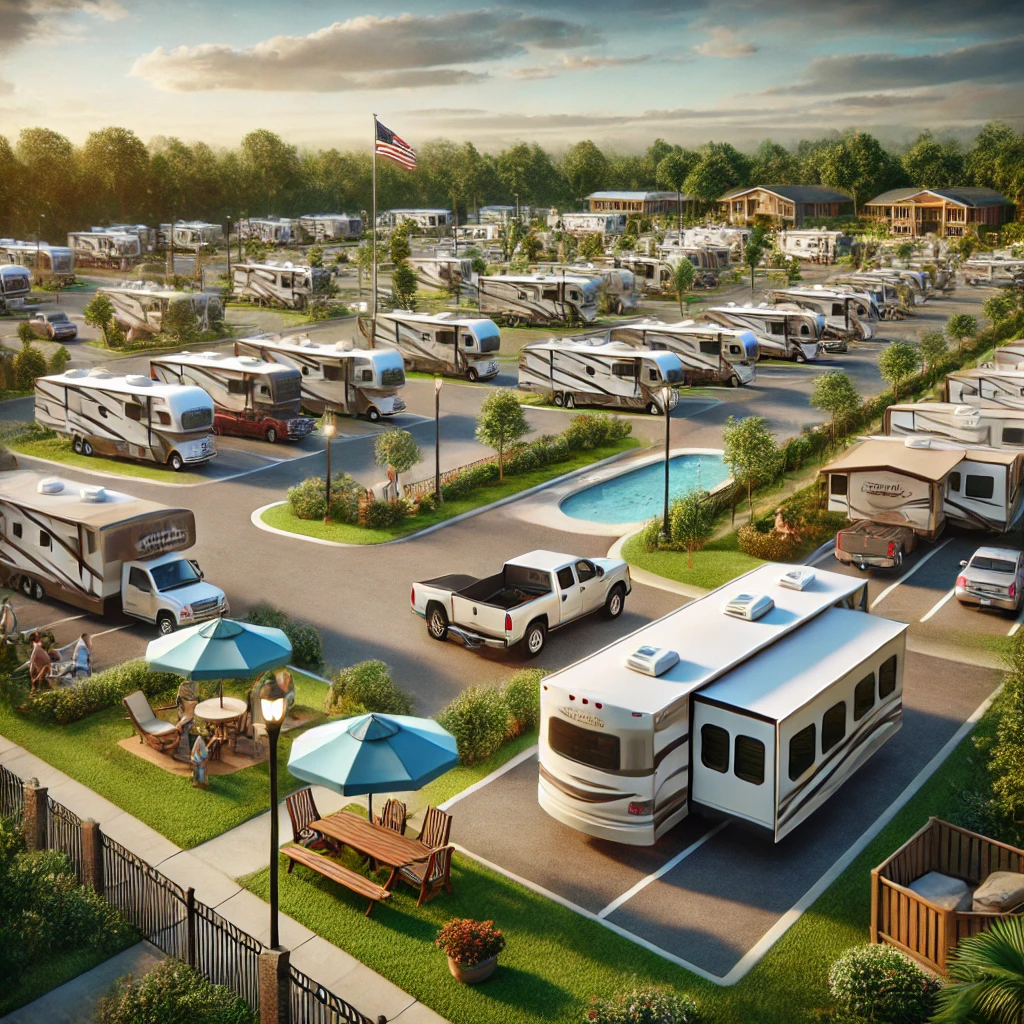
Is Full-Time RV Park Living a Permanent Option?
For many, the idea of living in an RV park full-time sounds like a dream—lower costs, beautiful scenery, and the freedom to pick up and move anytime. But is it really possible to live in an RV park forever?
The short answer? Yes, but with some conditions. While some RV parks welcome long-term residents, others have stay limits, zoning laws, or seasonal restrictions that can make permanent residency tricky.
Let’s break down the truth about long-term RV park living, including where it’s allowed, the pros and cons, and what to watch out for if you’re thinking of making an RV park your forever home. 🚐🏡✨
🏕️ Are There RV Parks That Allow Permanent Residency?
Yes, but not all RV parks allow long-term stays.
Many RV parks and campgrounds are designed for short-term visitors, meaning you might be limited to a stay of a few days, weeks, or months before you have to leave. However, there are three types of RV parks where long-term living is possible:
1. Extended-Stay RV Parks & Resorts
✔ Designed for long-term RVers
✔ Offer full hookups (water, sewer, electricity)
✔ Often have amenities like laundry, Wi-Fi, and clubhouses
✔ Some require monthly leases instead of daily rates
🌟 Best for: Snowbirds, retirees, and full-time RVers looking for stability.
2. Mobile Home & RV Communities
✔ RVs can be parked permanently like mobile homes
✔ Residents may be required to own the RV lot or lease long-term
✔ Sometimes offer on-site mail service and permanent utilities
🌟 Best for: RVers who want a semi-permanent residence without the high costs of homeownership.
3. Privately-Owned Land or Co-Op RV Parks
✔ Some states allow RVers to buy a lot in a co-op community
✔ No time limits—you own your site and stay indefinitely
✔ May have HOA fees or community rules
🌟 Best for: RVers who want a long-term home base without being tied to a traditional house.
⚖️ The Legal Side: Can You Legally Live in an RV Full-Time?
Living in an RV full-time is legal in most places, but zoning laws and park rules can limit how long you can stay in one spot.
Common Legal Challenges:
🚧 Zoning Laws – Some cities prohibit RVs as permanent residences.
🚧 Length of Stay Limits – Many campgrounds have a 14-day or 6-month limit before requiring you to leave.
🚧 Residency Proof – Some states won’t recognize an RV park address for driver’s licenses or taxes.
🌟 Solution: If you want true full-time RV park living, look for parks zoned for long-term residency or RV-friendly counties with fewer restrictions.
💰 Cost of Long-Term RV Park Living: Is It Cheaper Than a House?
One of the biggest reasons people choose full-time RV park living is the lower cost compared to traditional homeownership.
Average Monthly Costs in an RV Park:
🔹 RV Site Rent: $300 - $1,500/month (depends on location & amenities)
🔹 Electricity: $50 - $150/month (metered usage)
🔹 Propane: $30 - $100/month (for cooking & heating)
🔹 Wi-Fi & Internet: $50 - $120/month
🔹 Insurance & Maintenance: $100 - $300/month
How It Compares to Renting or Owning a Home:
✔ Cheaper than a mortgage in most areas.
✔ No property taxes (unless you own the RV lot).
✔ Lower utility bills compared to a house.
✔ Can move to a cheaper location if costs go up.
🌟 Bottom Line: RV park living is cheaper than homeownership in many areas, but premium RV resorts with high-end amenities can cost as much as an apartment rental.
🏡 The Pros & Cons of Living in an RV Park Full-Time
✅ Pros:
✔ Lower cost of living – No mortgage, no high property taxes.
✔ Minimalist lifestyle – Less clutter, fewer belongings.
✔ Community – Many long-term RV parks have a great social scene.
✔ Flexibility – You can move if you don’t like your location.
✔ Scenic locations – Live near beaches, mountains, or national parks.
❌ Cons:
❌ Stay limits – Some parks have maximum stay restrictions.
❌ Space constraints – RVs are small compared to traditional homes.
❌ Zoning issues – Some cities don’t allow full-time RV living.
❌ Limited mail service – Getting packages and important documents can be tricky.
❌ Wear and tear on your RV – Living full-time in an RV means more maintenance.
🌟 Bottom Line: RV park living offers freedom and affordability, but it requires flexibility and planning.
🔎 How to Find the Best Long-Term RV Parks
If you’re looking for an RV park to call home, here are some ways to find the right fit:
✔ Search Online Directories – Websites like Campendium, RV Park Reviews, and KOA list long-term stay parks.
✔ Join Full-Time RVer Groups – Facebook groups and RV forums have great recommendations.
✔ Visit in Person – Always check out an RV park before committing long-term.
✔ Ask About Lease Terms – Some parks require monthly or yearly leases for long-term stays.
🌟 Pro Tip: If you need a residential address, look for RV parks that offer mail services or work with mail forwarding companies.
🚀 Final Thoughts: Can You Really Live in an RV Park Forever?
✔ Yes, you CAN live in an RV park permanently—but only in places that allow long-term stays.
✔ Check zoning laws & park rules before committing to full-time RV park living.
✔ Costs are lower than traditional homeownership, but premium RV resorts can be pricey.
✔ Find the right park by researching RV-friendly communities, co-op parks, or extended-stay campgrounds.