Camping is a fantastic way to escape the everyday grind, connect with nature, and create lasting memories. However, the great outdoors comes with its own set of challenges and risks. Whether you’re a seasoned camper or heading out for your first adventure, staying safe is key to having a good time. Here’s a comprehensive guide to avoiding common outdoor hazards while camping.
1. Plan and Prepare Thoroughly
Preparation is the foundation of a safe camping trip.
- Research Your Destination: Learn about local wildlife, weather conditions, and terrain. Check for any specific risks, such as fire restrictions or seasonal hazards.
- Pack the Essentials: Bring a first aid kit, navigation tools (map, compass, or GPS), enough food and water, and weather-appropriate clothing.
- Share Your Plans: Let someone know where you’re going and when you’ll be back. This helps rescuers locate you in an emergency.
Being prepared reduces the likelihood of running into trouble and ensures you’re ready to handle unexpected situations.
2. Stay Hydrated and Eat Smart
Dehydration and hunger can sneak up on you in the wilderness.
- Drink Plenty of Water: Bring enough for drinking, cooking, and cleaning, or pack a water filter or purification tablets if you’ll be near a natural source.
- Avoid Contaminated Water: Never drink untreated water from rivers, lakes, or streams, as it may contain harmful bacteria or parasites.
- Pack Nutritious Snacks: High-energy foods like nuts, granola bars, and jerky keep your energy up during hikes and activities.
Staying fueled and hydrated keeps you focused and avoids unnecessary health risks.
3. Be Aware of Wildlife
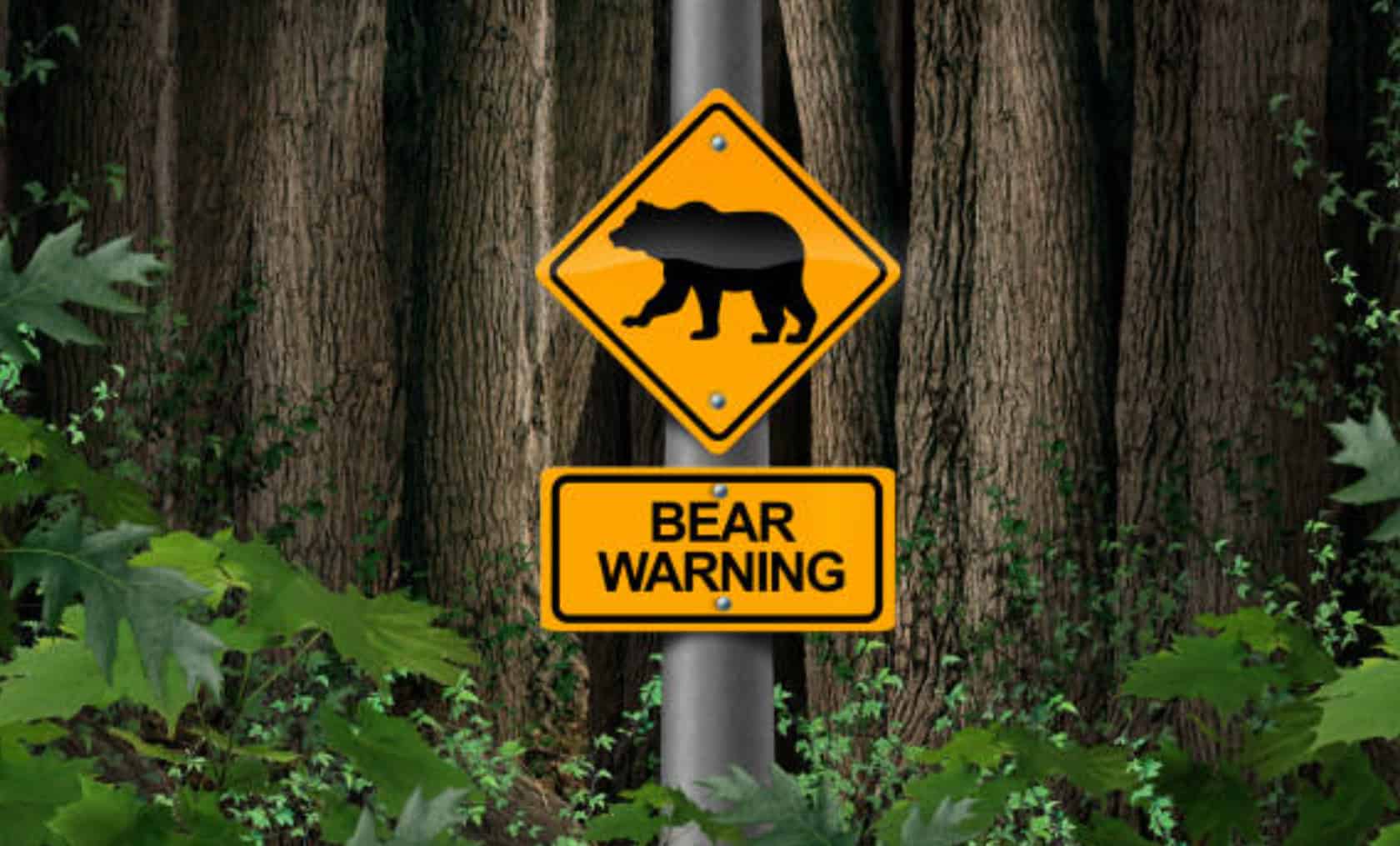
Wildlife encounters can be exciting but also dangerous if not handled properly.
- Store Food Securely: Use bear-proof containers or hang food away from your campsite to prevent attracting animals.
- Keep a Safe Distance: Admire wildlife from afar. Avoid feeding animals, as this can make them aggressive.
- Learn About Local Species: Know which animals are common in the area and how to react if you encounter them. For example, stay calm and back away slowly if you see a bear.
Respecting wildlife keeps you and the animals safe.
4. Watch the Weather
Weather can change quickly in the great outdoors, so staying informed is crucial.
- Check the Forecast: Always review the weather conditions before heading out and monitor updates during your trip if possible.
- Be Prepared for Changes: Bring layers, waterproof clothing, and sturdy footwear. Even if the forecast predicts sunshine, pack for rain and cold nights.
- Seek Shelter in Severe Weather: If a storm rolls in, avoid open fields, hilltops, or large bodies of water. Seek shelter in lower areas, away from tall trees or rocks.
Being prepared for weather changes ensures you stay comfortable and safe.
5. Campfire Safety
Campfires are a camping staple but can quickly become hazardous if not handled properly.
- Use Designated Fire Rings: These areas are designed to contain fires safely.
- Keep Fires Small: A manageable fire is easier to control and less likely to spread.
- Never Leave a Fire Unattended: Always extinguish your fire completely before leaving or going to sleep. Pour water over the embers and stir until cool to the touch.
- Observe Fire Restrictions: Some areas may have bans during dry seasons to prevent wildfires.
A safe campfire adds to your camping experience without putting the environment at risk.
6. Avoid Getting Lost
Navigation is a critical skill for campers, especially in unfamiliar terrain.
- Stick to Trails: Avoid wandering off marked paths to prevent disorientation.
- Carry Navigation Tools: Always bring a map, compass, or GPS device and know how to use them.
- Mark Your Campsite: Use visual cues or GPS coordinates to help you find your way back.
- Stay with Your Group: If you’re camping with others, stick together to reduce the risk of anyone getting lost.
Knowing where you are at all times helps you avoid unnecessary stress and danger.
7. Protect Yourself from Insects
Insects like mosquitoes and ticks can be more than just an annoyance—they can carry diseases.
- Use Bug Repellent: Choose a repellent with DEET or other proven ingredients to ward off mosquitoes and ticks.
- Wear Protective Clothing: Long sleeves and pants can prevent bites. Opt for light-colored clothing to spot ticks easily.
- Check for Ticks: After hiking or spending time in grassy areas, inspect your body for ticks and remove them promptly with tweezers.
Insect prevention keeps you comfortable and reduces the risk of illness.
8. Practice Good Hygiene
Staying clean in the wilderness isn’t just about comfort—it’s about health.
- Wash Your Hands: Use soap and water or hand sanitizer before eating and after using the bathroom.
- Dispose of Waste Properly: Pack out all trash and use designated facilities or dig a cathole at least 200 feet from water sources for human waste.
- Avoid Sharing Utensils or Bottles: This prevents the spread of germs among campers.
Good hygiene practices prevent sickness and help protect the environment.
9. Know Your Limits
Pushing yourself too hard can lead to exhaustion or injury.
- Pace Yourself: Take breaks during hikes or strenuous activities to avoid overexertion.
- Know When to Turn Back: If weather conditions worsen or you feel unwell, don’t hesitate to cut your plans short.
- Listen to Your Body: Stay alert for signs of dehydration, fatigue, or illness.
Knowing your limits ensures a safer and more enjoyable experience.
10. Be Prepared for Emergencies
Accidents can happen, even with the best preparation.
- Carry a First Aid Kit: Include bandages, antiseptics, pain relievers, and any personal medications.
- Learn Basic First Aid: Knowing how to treat cuts, sprains, and other minor injuries can make a big difference.
- Have Emergency Contacts: Keep a list of emergency numbers and the address of the nearest hospital or ranger station.
- Know Emergency Signals: Three whistles, flashes, or smoke signals are universal signs of distress.
Being ready for emergencies gives you peace of mind during your adventure.
Final Thoughts
Camping is a wonderful way to experience the beauty of the outdoors, but safety should always come first. By planning ahead, respecting nature, and following these tips, you can enjoy a fun and hazard-free adventure. Remember, the goal is to make memories—not mishaps. Stay safe, and happy camping!