Camping is a wonderful way to disconnect from the busy world and reconnect with nature. But let’s face it—having charged devices can make your trip easier, safer, and more enjoyable. Whether you’re snapping photos, navigating trails, or calling for help in an emergency, a dead battery can ruin your day. Don’t worry! This guide will show you simple ways to keep your devices charged while camping, so you can enjoy the outdoors without worrying about running out of power.
1. Start Fully Charged
The best way to keep your devices powered is to start your trip with fully charged batteries.
- Charge Everything Before You Leave: Plug in your phone, camera, GPS, or other devices the night before your trip. Don’t forget extra batteries for flashlights or headlamps.
- Check Battery Levels: Make sure every device is charged to 100% before you hit the road.
Starting with a full charge gives you a good head start, especially if you’re camping somewhere with limited access to power.
2. Use Power Banks
Power banks are portable battery packs that let you recharge your devices anywhere.
- Choose the Right Size: Look for a power bank with at least 10,000mAh capacity for phones and smaller devices. If you have more gadgets or need multiple charges, consider a 20,000mAh or larger model.
- Rechargeable Power Banks: Some power banks are solar-powered, so you can recharge them during the day while you’re out exploring.
A fully charged power bank can keep your devices powered for days!
3. Go Solar
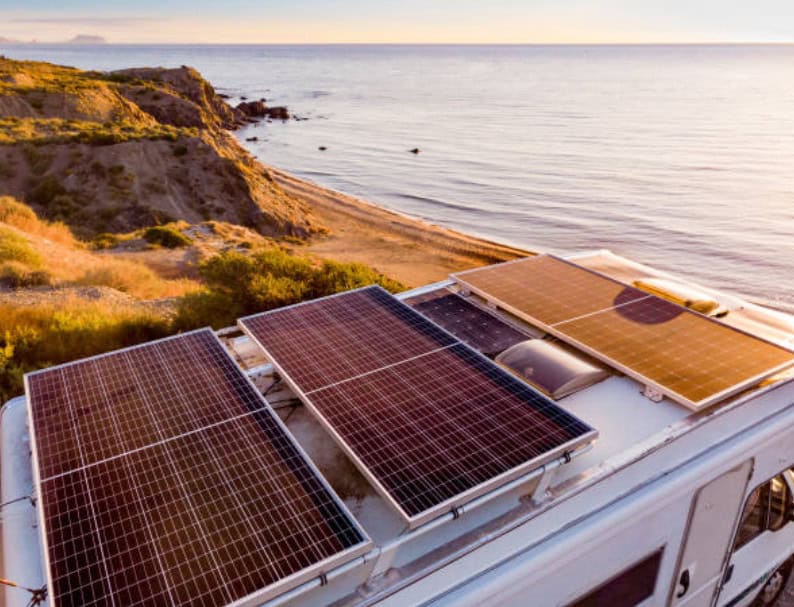
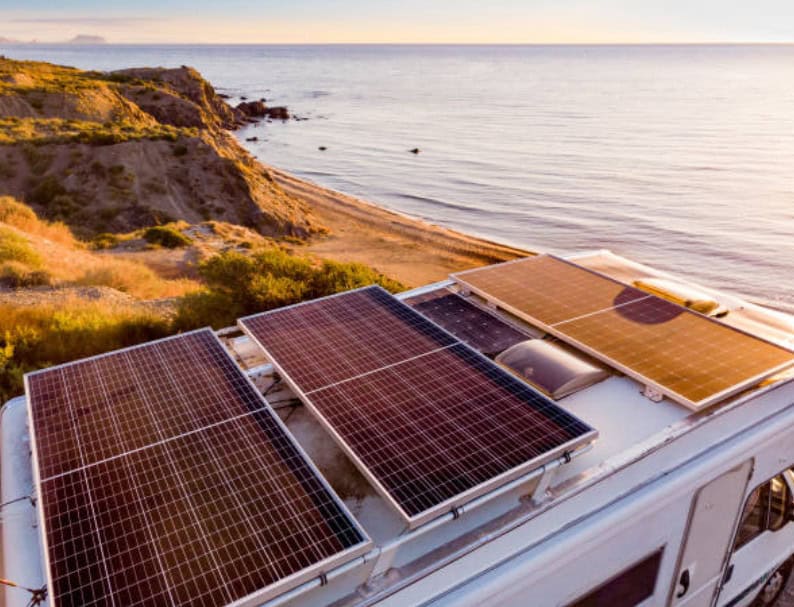
Solar chargers are a fantastic option for camping trips, especially if you’re staying off-grid.
- Portable Solar Panels: These foldable panels collect sunlight and convert it into energy for charging your devices.
- Best for Sunny Days: Solar chargers work best in direct sunlight, so set them up in an open, sunny spot at your campsite.
- Pair with a Power Bank: Use the solar charger to refill your power bank, so you have backup power when the sun isn’t shining.
Solar energy is free and eco-friendly, making it perfect for outdoor adventures.
4. Bring Extra Batteries
If your devices use replaceable batteries, bring extras to ensure they don’t run out of juice.
- AA or AAA Batteries: Stock up on these for flashlights, headlamps, and small gadgets.
- Rechargeable Options: Consider rechargeable batteries for a more sustainable option. Bring a small charger if you have access to electricity at your campsite.
Having spare batteries on hand can save the day when your gear runs out of power.
5. Use a Car Charger
If you’re camping with a car, your vehicle can be a reliable power source.
- Car Adapters: Use a car charger with USB ports to charge phones, cameras, or GPS devices while driving.
- Limit Use: Only charge devices when the engine is running to avoid draining your car battery.
Car chargers are a great way to keep your devices powered during road trips or campground stays.
6. Practice Smart Power Management
Making your device batteries last longer is just as important as having a way to recharge them.
- Turn Off Unnecessary Features: Disable Bluetooth, Wi-Fi, and GPS when not in use. Lower screen brightness to conserve power.
- Switch to Airplane Mode: This setting reduces power consumption by stopping your device from searching for signals.
- Use Devices Sparingly: Save your battery for essential tasks, like navigation or emergencies.
The less power your devices use, the longer they’ll last between charges.
7. Choose Multi-Use Gadgets
Streamline your gear by choosing devices that serve multiple purposes.
- Solar Lanterns with USB Ports: These provide light and can charge your phone or other small devices.
- Battery-Powered Fans with Chargers: Great for staying cool while also keeping your devices powered.
Multi-use gadgets save space and reduce the need for extra chargers or batteries.
8. Camp at Sites with Power
Some campgrounds offer electricity, making it easy to keep your devices charged.
- Look for Electric Hookups: Many RV and car campgrounds have sites with power outlets.
- Bring an Extension Cord: If your campsite has electricity, an outdoor-rated cord can help you charge multiple devices at once.
- Charge Overnight: Plug in your devices while you sleep to ensure they’re ready for the next day.
Campgrounds with electricity make charging simple and stress-free.
9. Use Portable Generators
For extended camping trips or large groups, a portable generator can provide all the power you need.
- Choose a Quiet Model: Many campgrounds have noise restrictions, so opt for a generator designed for camping.
- Fuel Up: Make sure you have enough gas or propane to keep your generator running.
- Charge Safely: Use the generator to recharge power banks, larger devices, or even small appliances.
Generators are a powerful option for staying charged in remote areas.
10. Protect Your Devices
Keeping your devices safe and functional is just as important as keeping them charged.
- Use Waterproof Cases: Protect your devices from rain, splashes, or accidental spills.
- Avoid Extreme Temperatures: Batteries can drain faster in very hot or cold weather, so keep devices in a moderate environment.
- Store Devices Securely: Keep your gadgets in a safe place to avoid damage from falls or dirt.
A little care goes a long way in ensuring your devices stay functional throughout your trip.
Final Thoughts
Camping doesn’t mean you have to leave your devices behind—or worry about them running out of power. With power banks, solar chargers, and smart battery management, you can keep your devices charged and ready for any adventure. By following these tips, you’ll be prepared to navigate, capture memories, and stay connected while enjoying the beauty of the great outdoors. Happy camping!