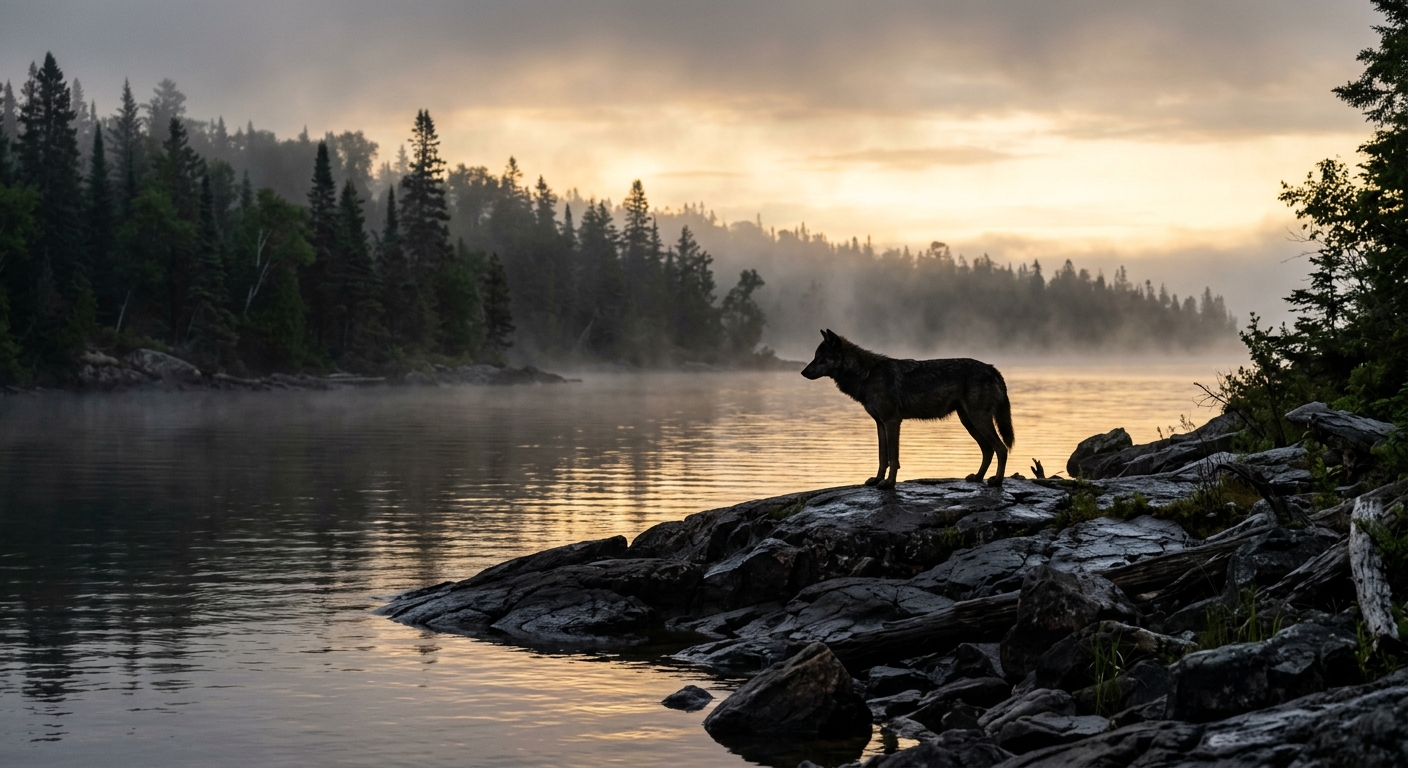
When Nature Reminds Us Who's Really in Charge
Isle Royale National Park — that rugged, remote archipelago sitting in the cold waters of Lake Superior — has never been a destination for the faint of heart. But a recent tent camping ban at four of the park's campgrounds, prompted by increased wolf activity, is sending a powerful reminder to outdoor enthusiasts everywhere: camping in wild places means sharing space with genuinely wild animals. And that's both thrilling and something you need to prepare for.
Whether or not Isle Royale is on your bucket list, this story carries lessons every camper should carry into the backcountry — and some smart strategies for choosing campgrounds that balance incredible wildlife experiences with peace of mind.
Why Isle Royale Is Unlike Anywhere Else
Isle Royale is one of the least-visited national parks in the country, and that's precisely what makes it so extraordinary. Accessible only by ferry or floatplane, this island wilderness is home to one of the longest-running predator-prey studies in the world — the ongoing observation of wolves and moose that has fascinated scientists for decades. The wolves here aren't a distant rumor. They are a real, active, essential part of the ecosystem.
When park managers restrict tent camping at specific campgrounds due to wolf activity, they're not being alarmist. They're responding carefully to behavioral patterns that signal wolves have become comfortable near human sites — a dynamic that's unsafe for both campers and the animals themselves. Cabins and hard-sided shelters become the recommended option during these temporary restrictions, which can extend through late October.
What This Means for Your Camping Trip
If Isle Royale is on your radar this season, here's what you need to know before you go:
- Check current conditions before you book. Campground restrictions at Isle Royale — and in any wildlife-rich park — can change quickly. Always verify with the park service directly before finalizing plans.
- Hard-sided shelters are your friend. When wolf (or bear) activity is elevated, campers in cabins or enclosed shelters are significantly safer. At Isle Royale, the park's rock harbor lodge and several covered shelters remain open even during tent restrictions.
- Understand food storage rules. Every campsite in a wild park comes with food storage requirements. Bear canisters, hang systems, and designated food lockers exist to keep wildlife from associating human spaces with easy meals.
- Make noise on the trail. Wolves, bears, and mountain lions rarely want a confrontation. Talking, clapping, or using bear bells on busy trails dramatically reduces surprise encounters.
- Travel in groups when possible. Larger groups are less vulnerable and more intimidating to predators. Solo backcountry travel in high-activity zones is a risk worth reconsidering.
Finding the Right Balance: Wildlife Wonder Without the Worry
Here's the truth most experienced campers know but don't always say out loud: the best wildlife encounters happen when you're prepared, not when you're scared. Choosing a campground that gives you access to incredible natural habitat — without putting you in an unsafe position — is an art form.
That's where tools like CampgroundViews.com become genuinely useful. With virtual tours of 3,600+ campgrounds across North America, you can scout the actual terrain of a site before you arrive. You can see whether a campsite is exposed and open, nestled in dense forest, close to a ranger station, or situated near high-traffic trails — all details that matter when wildlife is part of the equation.
Places to Experience Wild Wonder (Responsibly)
If Isle Royale's wolf news has you curious about wilderness camping near apex predators, here are some spectacular — and well-managed — destinations to explore:
- Yellowstone National Park, WY — Wolf watching from designated pullouts is a bucket-list experience.
- Glacier National Park, MT — Grizzly and wolf country with excellent campground infrastructure.
- Boundary Waters Canoe Area, MN — Remote, wild, and hauntingly beautiful wolf territory.
- North Cascades National Park, WA — Recovering wolf packs in stunning mountain terrain.
The Bottom Line
Isle Royale's temporary tent camping ban isn't a cautionary tale about avoiding wilderness. It's a celebration of a park wild enough to still have functioning wolf packs roaming its shores. Respect the rules, come prepared, and use every tool available — including virtual campground previews on CampgroundViews.com — to make sure your next adventure into wild country is one you'll be telling stories about for decades.