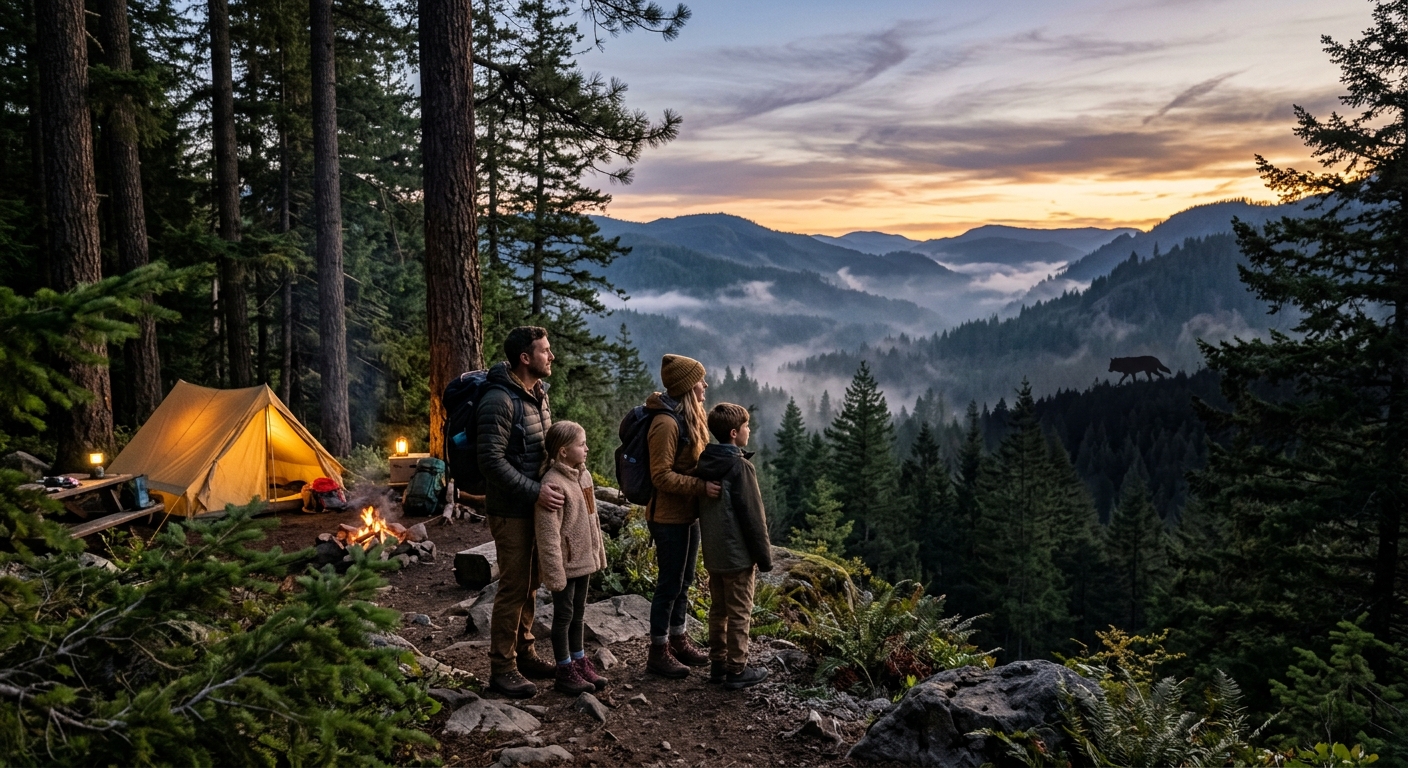
When Nature Makes the Rules: Understanding Wildlife-Driven Campground Closures
News out of Isle Royale National Park serves as a powerful reminder that when we venture into the wilderness, we're guests in someone else's home. Increased wolf activity has prompted officials to ban tent camping at several campgrounds through Halloween — a decision that underscores just how seriously land managers take camper safety. While it might be disappointing for families who had their hearts set on a specific site, these closures exist for very good reasons, and knowing how to navigate them (and prepare for wildlife encounters in general) will make you a smarter, safer camper.
Whether you're planning a trip to Isle Royale or any other wild corner of North America, here's what every family camper needs to know about wildlife activity, campground closures, and how to keep your crew safe and confident in the outdoors.
Why Wildlife Closures Happen — And Why They're a Good Thing
Park rangers and wildlife biologists don't issue camping bans lightly. When you see a closure like the one at Isle Royale, it typically means animals have been observed displaying unusual behavior near camping areas — whether that's wolves investigating food sources, bears becoming food-conditioned, or other predators losing their natural wariness of humans.
Think of these closures as the park's immune system at work. They protect both campers AND wildlife. An animal that becomes too comfortable around humans often ends up being relocated or euthanized. Temporary camping restrictions prevent that tragic outcome while keeping families out of harm's way.
How to Check for Wildlife Closures Before You Go
The number one mistake campers make is assuming their reserved site will be available exactly as planned. Wildlife situations can change overnight. Here's how to stay informed:
- Check the park's official website 48-72 hours before departure for any new alerts or closures.
- Call the ranger station directly — rangers can give you real-time conditions that haven't hit the website yet.
- Sign up for park alerts via email or text through Recreation.gov or the park's notification system.
- Browse CampgroundViews.com for up-to-date campground information, photos, and virtual tours so you can quickly identify backup campground options if your primary site is impacted.
- Have a Plan B campground ready — and ideally a Plan C. Flexibility is the hallmark of a great family camping trip.
Tent Camping vs. Hard-Sided Camping: What's the Difference in Wildlife Country?
It's no coincidence that Isle Royale's closure specifically targets tent camping. In areas with significant predator activity, the type of shelter you use genuinely matters. Hard-sided structures — think RVs, cabins, or camping trailers — provide a physical barrier that tents simply cannot. For families camping in wolf, bear, or mountain lion territory, this is worth serious consideration.
This doesn't mean tent camping is off the table in wildlife-rich areas — millions of families do it safely every year. It does mean you should be extra diligent about food storage, campsite cleanliness, and campfire protocols.
Family-Friendly Wildlife Safety Tips for Any Campground
Whether you're in wolf country or not, these habits will serve your family well on every camping trip:
- Store food properly: Use bear boxes, bear canisters, or hang food at least 10 feet off the ground and 4 feet from tree trunks. This applies to toiletries and scented items too.
- Cook away from your sleeping area: Set up your camp kitchen at least 200 feet from where you sleep.
- Never feed wildlife: Even small animals like squirrels and chipmunks. Feeding disrupts natural behaviors and creates the conditions that lead to closures.
- Teach kids the wildlife rules before you arrive: Make it part of the excitement of trip planning, not a lecture at the campsite.
- Travel in groups on trails: Make noise while hiking so animals can detect you and move away naturally.
Finding the Perfect Campground — Wildlife Considerations Included
Planning a family camping trip in a region known for wildlife doesn't have to be stressful. CampgroundViews.com features virtual tours of thousands of campgrounds across North America, giving you a real feel for the terrain, layout, and surroundings before you ever leave the driveway. You can scout campgrounds in advance, check amenities like bear boxes and hard-sided site availability, and identify backup options with ease.
Wildlife closures are a normal, healthy part of public land management. The families who handle them best are the ones who planned ahead, stayed flexible, and used every resource available to them. Happy — and safe — camping starts with preparation, and that's something every family can master.