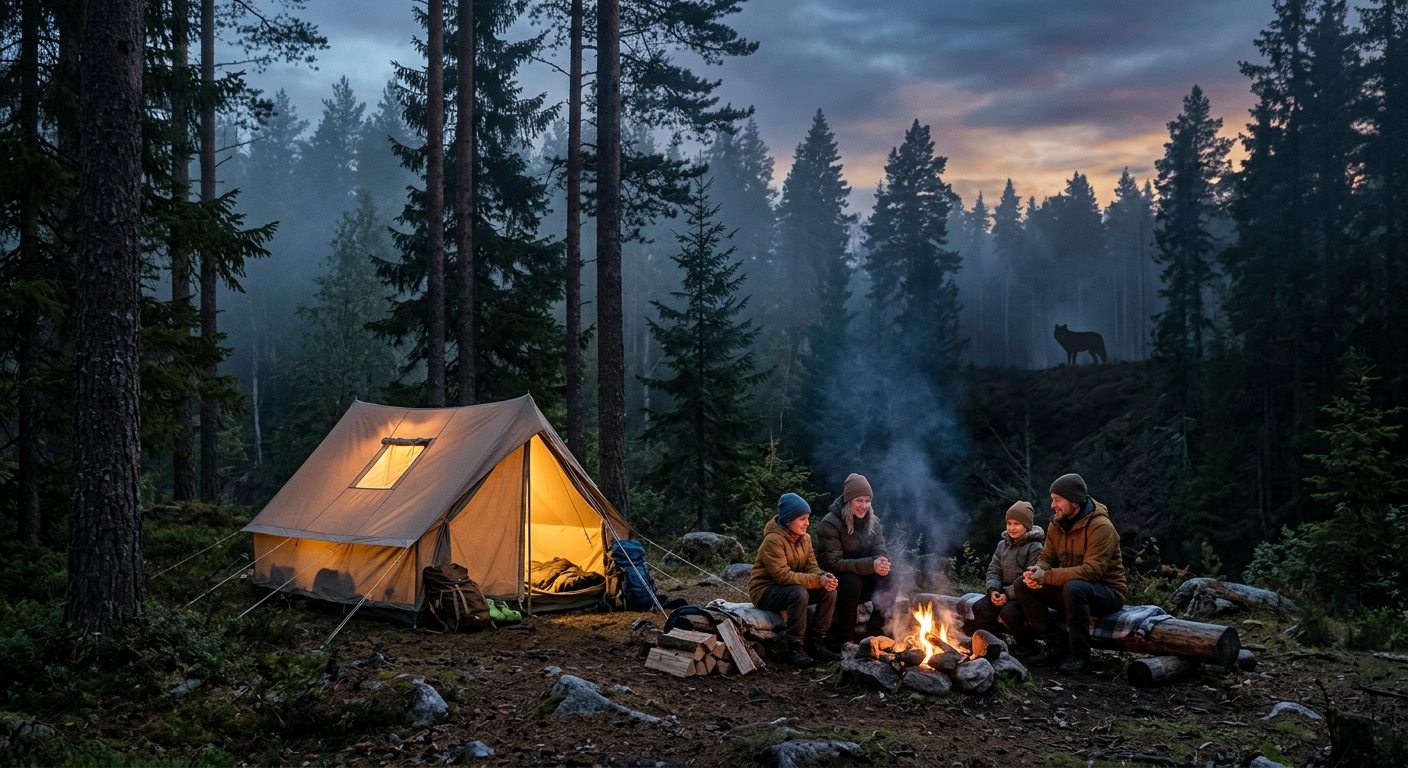
When Wildlife Changes Your Camping Plans
If you've been following outdoor news lately, you may have heard that Isle Royale National Park temporarily banned tent camping at four of its campgrounds due to increased wolf activity — a reminder that when we venture into wild spaces, we're guests in someone else's home. While that kind of news can feel alarming, it's actually a testament to healthy, thriving ecosystems. And with the right preparation, camping near wildlife remains one of the most awe-inspiring experiences a family can have.
Whether you're planning a trip to Isle Royale once the ban lifts, or you're heading to any wilderness campground across North America, here's how to keep your family safe, respectful, and ready for whatever nature brings.
Understand the Animals You Might Encounter
Before you pitch a tent or park your RV, do your homework on the local wildlife. Every region has its own cast of characters — from black bears in the Smokies to mountain lions in the Rockies to wolves in the Great Lakes region. National park websites, ranger stations, and campground hosts are your best first resources.
On CampgroundViews.com, you can explore detailed campground listings and virtual tours that help you get a feel for the surrounding habitat before you arrive. Knowing you're camping in wolf territory versus deer country changes your preparation game entirely.
Set Up Camp Like a Pro
Your campsite setup is your first line of defense against unwanted wildlife encounters. Follow these essential tips:
- Use a bear canister or bear box: Store all food, trash, toiletries, and scented items in designated bear-resistant containers. This applies even when no bears are present — wolves, raccoons, and foxes are equally attracted to food smells.
- Never sleep with food in your tent: This rule is non-negotiable. Even a granola bar wrapper can attract curious animals overnight.
- Cook away from your sleeping area: Set up your camp kitchen at least 200 feet from where you sleep and store food.
- Dispose of dishwater properly: Strain food particles and pack them out. Don't dump greasy water near your tent.
- Keep a clean camp: Wipe down tables, stow gear, and never leave coolers out unattended — even during the day.
What to Do If You Encounter a Large Predator
Encounters with apex predators like wolves or mountain lions are rare, but knowing how to respond can make all the difference. Here are the basics:
- Stay calm and do not run. Running can trigger a predator's chase instinct.
- Make yourself appear large. Stand tall, raise your arms, and group together with your family.
- Make noise. Speak firmly and loudly. Clap your hands. Use an air horn if you have one.
- Back away slowly while maintaining eye contact.
- Fight back if attacked by a mountain lion or wolf — unlike with grizzly bears, playing dead is not advised.
Always check with park rangers about current wildlife activity when you check in. They are an incredible resource and genuinely want your trip to be safe and enjoyable.
Consider Your Shelter Option
Situations like the Isle Royale tent camping ban highlight an important consideration for wildlife-heavy areas: your shelter matters. Hard-sided RVs and camping cabins offer an extra layer of security that tents simply don't. If you're camping in a region with active large predator populations, it might be worth upgrading your lodging — at least for peace of mind.
CampgroundViews.com makes it easy to filter for campgrounds with cabin rentals, glamping options, and RV-friendly sites across 28,000+ locations in North America. You can even take a virtual tour to see exactly what a campground looks like before booking.
Respect Wildlife — It's Their Home First
The wolf activity at Isle Royale isn't a villain story — it's a conservation success story. Isle Royale's wolf population has been carefully monitored and protected for decades. When rangers restrict camping to protect both visitors and animals, it's wildlife management working exactly as it should.
The best family campers are the ones who leave a place better than they found it, who teach their kids to observe animals from a distance, and who understand that sharing wild spaces requires humility. Stay curious, stay safe, and keep exploring — the wild world is waiting for you.