When Bears Make the Rules, Smart Campers Listen
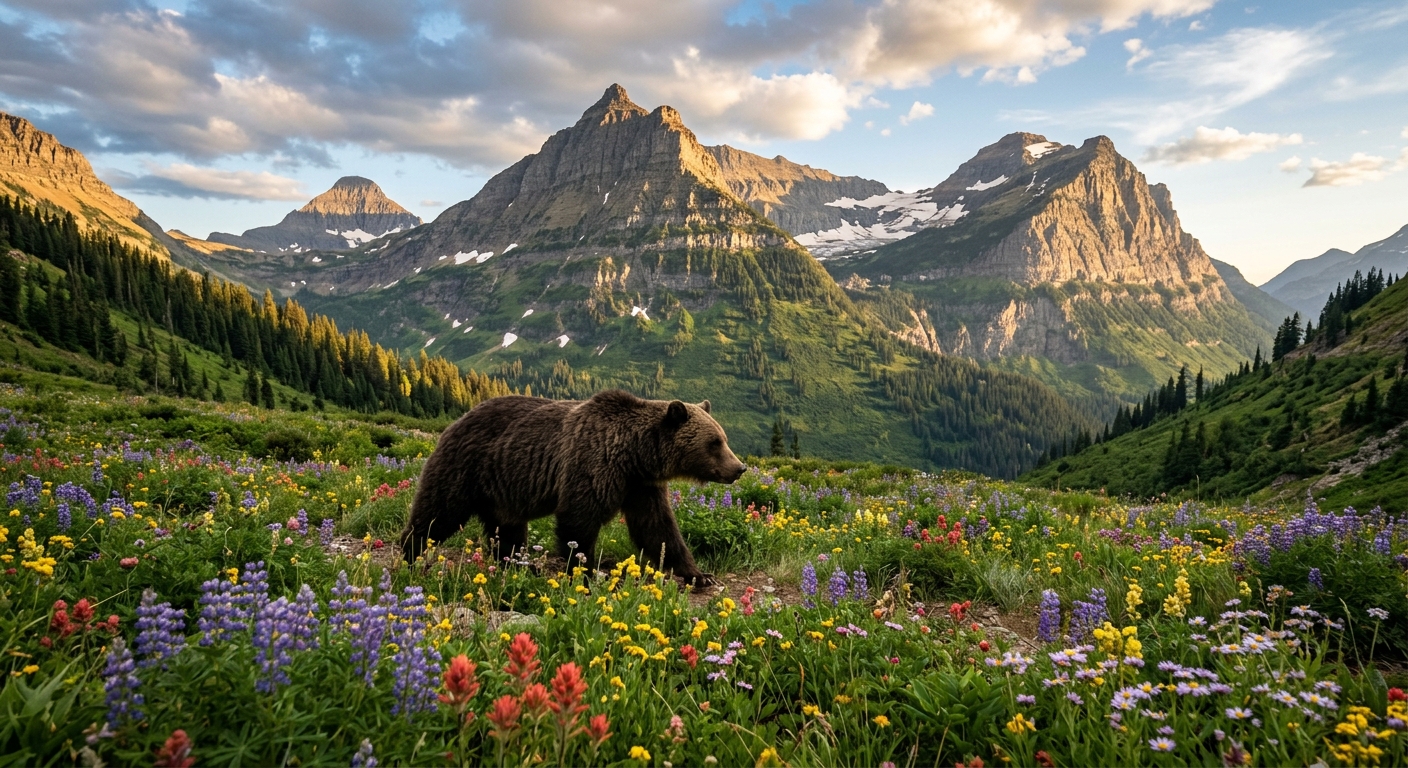
Glacier National Park recently made headlines by closing the iconic Highline Trail and suspending east-side tent camping due to heightened bear activity in the area. It's a reminder that in the wild, we are guests — and sometimes, the locals need us to step aside. Rather than viewing closures like this as a disappointment, savvy campers see them as an invitation to camp smarter, explore deeper, and respect the incredible ecosystems we love to visit.
Whether you're planning a trip to Glacier or any bear-country destination this season, here's what this closure can teach us about being prepared, flexible, and responsible in the backcountry.
Why Parks Close Trails and Campgrounds for Bear Activity
Bear-related closures aren't arbitrary — they're life-saving decisions for both humans and wildlife. When bears become conditioned to human presence or food sources, they can become dangerous and may ultimately need to be euthanized. Closures give bears space to feed naturally, raise cubs, and move through their territory without conflict.
Glacier's east side is prime habitat during late summer and fall, when bears enter hyperphagia — an intense feeding phase before hibernation where they can consume 20,000 calories per day. Tent camping in active feeding corridors creates unavoidable risk. Understanding why these decisions are made helps campers embrace them rather than resent them.
How to Plan a Bear-Country Trip That Adapts on the Fly
Flexibility is the number-one skill for camping in areas with active wildlife. Here's how to build it into your trip planning:
- Check park alerts before you go — and the morning you depart. Conditions change fast. Sign up for park service notifications and bookmark the official park website alongside your CampgroundViews.com reservation research.
- Have a backup campground ready. On CampgroundViews.com, you can browse thousands of campgrounds near major national parks, complete with virtual tours so you know exactly what you're getting before you arrive. Identify two or three alternatives before your trip so a closure doesn't derail your adventure.
- Consider hard-sided camping in bear country. RVs and hard-sided campers offer a significant safety advantage in active bear zones. Many campgrounds that remain open during bear activity restrict or prohibit tent camping — but welcome RV travelers. It's worth factoring into your gear choices.
- Book campgrounds with bear boxes or food storage infrastructure. Look for sites with bear lockers, bear poles, or designated food storage areas. CampgroundViews virtual tours can help you visually confirm a site's amenities before you commit.
Bear Safety Basics Every Camper Should Know Cold
Even when trails and campgrounds are open, bear country demands preparation. Treat these as non-negotiables:
- Carry bear spray — and know how to use it. Practice the draw before your trip. Bear spray is effective at close range and should be holstered and accessible at all times on the trail, not buried in your pack.
- Cook and store food away from your sleeping area. The classic triangle method keeps your cooking area, food storage, and tent at least 200 feet apart from each other.
- Never leave a scented item in your tent. Toothpaste, sunscreen, snacks, lip balm — bears are curious about it all. Store everything in a bear canister or bear box overnight.
- Make noise on the trail. Talk, clap, or use a bear bell — especially around blind corners, in dense brush, or near running water where bears may not hear you approaching.
Finding the Perfect Bear-Country Campground
Glacier isn't the only stunning destination where bears roam freely. The Great Smoky Mountains, Yellowstone, Shenandoah, and countless wilderness areas across Canada offer incredible wildlife experiences when approached with respect and preparation.
Before your next adventure into bear habitat, spend time on CampgroundViews.com exploring campgrounds with virtual tours. Seeing a campsite before you arrive — its layout, proximity to trailheads, and available amenities — helps you make smarter decisions and choose locations with proper wildlife infrastructure in place.
Embrace the Wild, Respect the Wild
A trail closure because of bears isn't a failed camping trip — it's proof that the wilderness is working. The bears are there, healthy and active, doing exactly what they should be doing. Our job as campers is to adapt, stay safe, and keep wild places wild for every generation of adventurer to come. Now get out there — just maybe on a different trail.