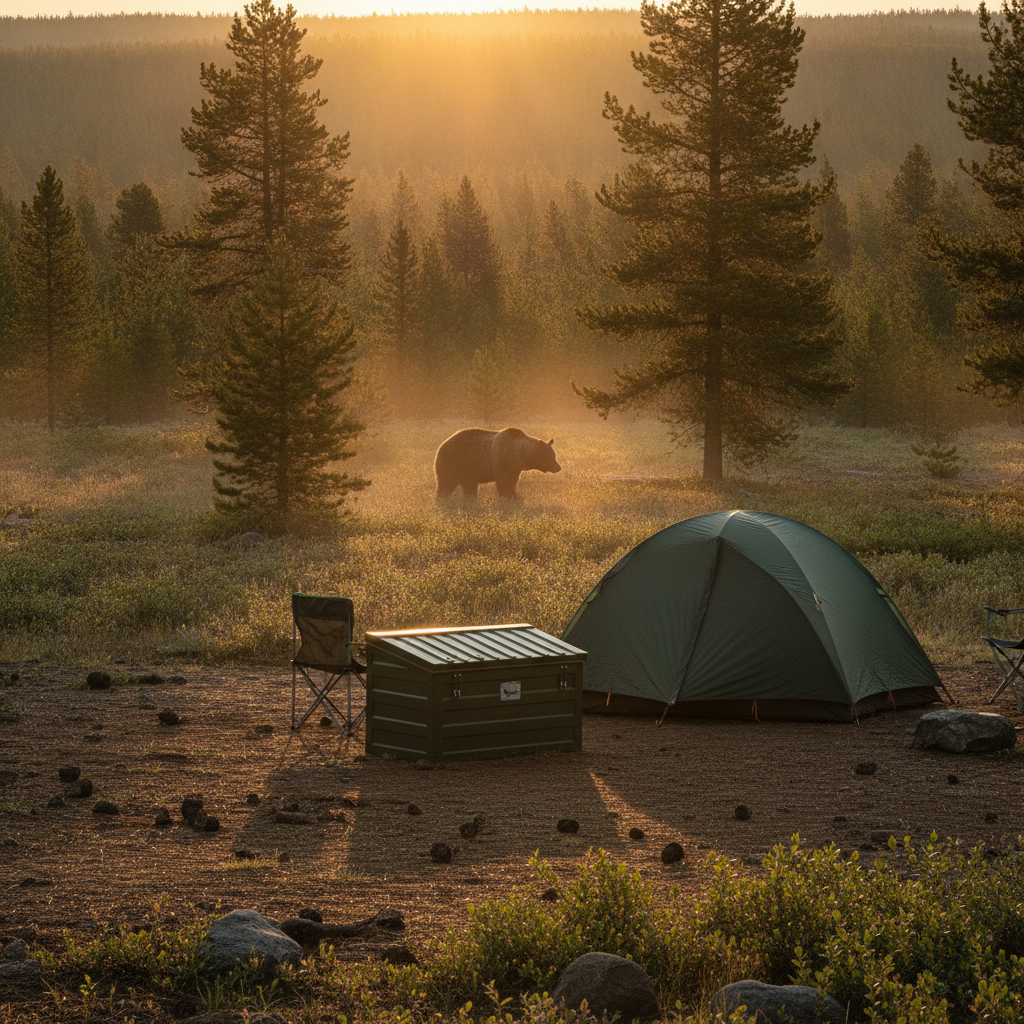
The Wild Is Calling — And So Are the Bears
There's nothing quite like waking up in Yellowstone National Park. The smell of pine, the distant rumble of a hot spring, the golden light breaking over the Lamar Valley — it's the kind of morning that makes you remember exactly why you camp. But this summer, Yellowstone is reminding visitors of something important: you are a guest in bear country, and the bears are very much at home.
Reports of increased bear activity across the park are prompting rangers and outdoor experts to revisit camping guidelines. Whether you're rolling in with your RV, pitching a tent at Slough Creek, or glamping in a canvas cabin near the park's borders, understanding how to camp responsibly alongside bears isn't just smart — it's essential.
Why Bear Activity Is Spiking This Summer
Wildlife biologists point to a combination of factors driving more frequent bear encounters near campgrounds and trailheads. A successful breeding season has increased the grizzly population in the Greater Yellowstone Ecosystem, while drought conditions in some areas have pushed bears closer to developed sites in search of food. Simply put: more bears, fewer natural food sources in certain corridors, and a record number of summer visitors is a combination that demands extra attention.
The good news? Bears aren't looking for trouble. They're looking for calories. And that means your behavior — especially how you store food and manage your campsite — makes all the difference.
The New Campsite Rules You Need to Follow
Yellowstone has always enforced strict food storage regulations, but rangers are doubling down this season. Here's what you need to know before you pull into camp:
- Use certified bear canisters or bear boxes. Every campsite in Yellowstone's backcountry requires hard-sided, bear-resistant food storage. Soft coolers do not qualify, no matter how heavy-duty they claim to be.
- Never leave food unattended — even for a few minutes. A bear can investigate and compromise your campsite faster than you'd expect. This includes pet food, trash, and scented toiletries.
- Cook and eat away from your sleeping area. The classic triangle rule — sleep, cook, and store food at three separate points at least 200 feet apart — is non-negotiable in backcountry zones.
- RV and car campers aren't off the hook. Bears in Yellowstone have learned to associate vehicles with food. Keep windows closed, never store food in tent attachments, and use the bear boxes provided at developed sites.
- Carry bear spray and know how to use it. This is not optional in Yellowstone. Practice the draw before you hit the trail, and keep it accessible — not buried in your pack.
Choosing the Right Campsite Makes a Big Difference
One of the best ways to stay safe is to start your trip with solid campsite research. Before you ever set foot in the park, spend time on CampgroundViews.com to explore campgrounds near Yellowstone's borders with immersive virtual tours and real camper reviews. Seeing the actual layout of a campground — its bear box locations, proximity to tree lines, and site spacing — can help you make smarter decisions about where to stay.
Some campers prefer the added structure of a developed campground like Madison or Grant Village, where bear boxes are standard and ranger presence is higher. Others love the solitude of a backcountry permit site. Both can be safe and spectacular — as long as you're prepared.
Respect the Wildlife, Protect the Experience
Here's the honest truth: a bear encounter doesn't have to end in tragedy for you or the bear. The vast majority of negative interactions happen because someone got careless with food or got too close for a photo. Yellowstone's grizzlies and black bears are wild animals living extraordinary lives in one of the last great wilderness ecosystems in North America. Watching a sow and her cubs from a safe distance is one of the most breathtaking experiences camping can offer.
Follow the rules, do your research, pack your bear spray, and embrace the wild on its own terms. That's the Yellowstone experience worth having — and worth protecting for every camper who comes after you.