The Growing Debate Around Overnight Camping in Public Spaces
Cities across America are wrestling with a complicated question: where do campers belong? From Englewood, Colorado to communities coast to coast, city councils are debating overnight camping rules in public parks — and for outdoor enthusiasts, the ripple effects matter. Whether you're a full-time RVer, a weekend warrior, or a van-lifer plotting your next adventure, understanding the legal landscape of urban and dispersed camping can save you from a midnight knock on your window and a hefty fine.
At CampgroundViews.com, we believe every camper deserves to sleep easy — both literally and legally. So let's break down the world of boondocking, dispersed camping, and finding the perfect spot where you're always welcome.
What Is Boondocking, Really?
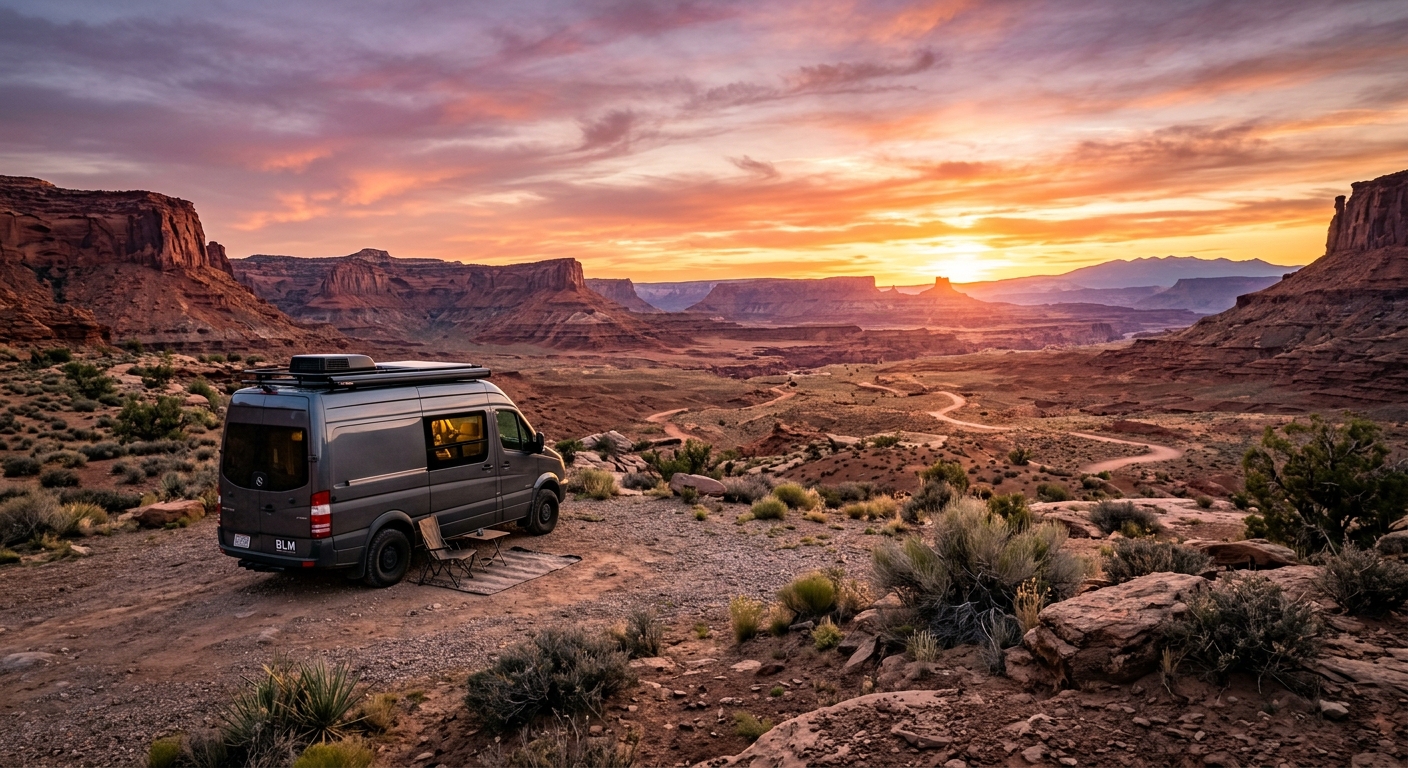
Boondocking — also called dry camping or dispersed camping — means camping outside of a developed campground, typically without hookups, facilities, or fees. True boondocking happens on public lands managed by the Bureau of Land Management (BLM), U.S. Forest Service (USFS), and similar agencies. It is NOT the same as sleeping in a city park, which is generally prohibited regardless of how you feel about it.
The distinction matters. When cities like Englewood debate softening bans on overnight camping, they're usually addressing a social issue, not opening the floodgates for RV travelers to set up camp beside the swing sets. Knowing the difference keeps you on the right side of the law — and out of a headline.
Where Boondocking Is Totally Legal (and Amazing)
The good news? The United States has millions of acres of public land where overnight camping is not only allowed but encouraged. Here are your best bets:
- BLM Land: With over 245 million acres across the western U.S., BLM land is the boondocker's paradise. Most areas allow stays up to 14 days at no charge.
- National Forests: Dispersed camping is permitted in most national forests, typically at least 200 feet from water sources and roads. Check individual forest rules before you go.
- State Trust Lands: Many western states offer affordable permits for camping on state-managed lands — often overlooked and blissfully uncrowded.
- Established Free Campgrounds: Sites like those found on Freecampsites.net or through CampgroundViews.com's discovery tools let you browse verified free and low-cost camping options with real photos and 360° virtual tours before you commit.
5 Golden Rules for Responsible Boondocking
Freedom comes with responsibility. The reason boondocking remains legal on public lands is largely because the camping community self-polices and respects the environment. Keep it that way with these essential practices:
- Leave No Trace: Pack out everything you pack in. Leave your site cleaner than you found it.
- Respect the 14-Day Limit: Most BLM and USFS areas cap stays at 14 consecutive days. Move on, explore more!
- Stay on Established Routes: Don't create new roads or drive through vegetation to reach a spot.
- Keep Generator Hours Reasonable: Even in the wilderness, your neighbors (human and animal) appreciate the quiet.
- Know Fire Restrictions: Always check current fire bans before building a campfire. Apps like AirNow and state forestry websites post real-time restrictions.
Using Technology to Find Legal, Beautiful Campsites
One of the biggest mistakes campers make is winging it — driving until exhausted and pulling off somewhere that might get them in trouble. Modern tools make it easy to plan ahead. CampgroundViews.com offers immersive 360° virtual tours of campgrounds and RV parks across North America, so you can scout your destination from your couch before ever hitting the road. See the actual sites, the views, the amenities — and book with total confidence.
Pair that with offline maps from apps like Gaia GPS or OnX, and you've got a powerhouse planning system that keeps you legal, comfortable, and adventurous.
The Bottom Line
City park camping debates will keep making headlines, but savvy campers don't wait for politicians to figure it out. With millions of acres of legal, breathtaking public land at your disposal — and tools like CampgroundViews.com to help you find and preview the perfect spot — there's truly no reason to park where you're not wanted. Get out there, camp smart, and leave every place better than you found it.