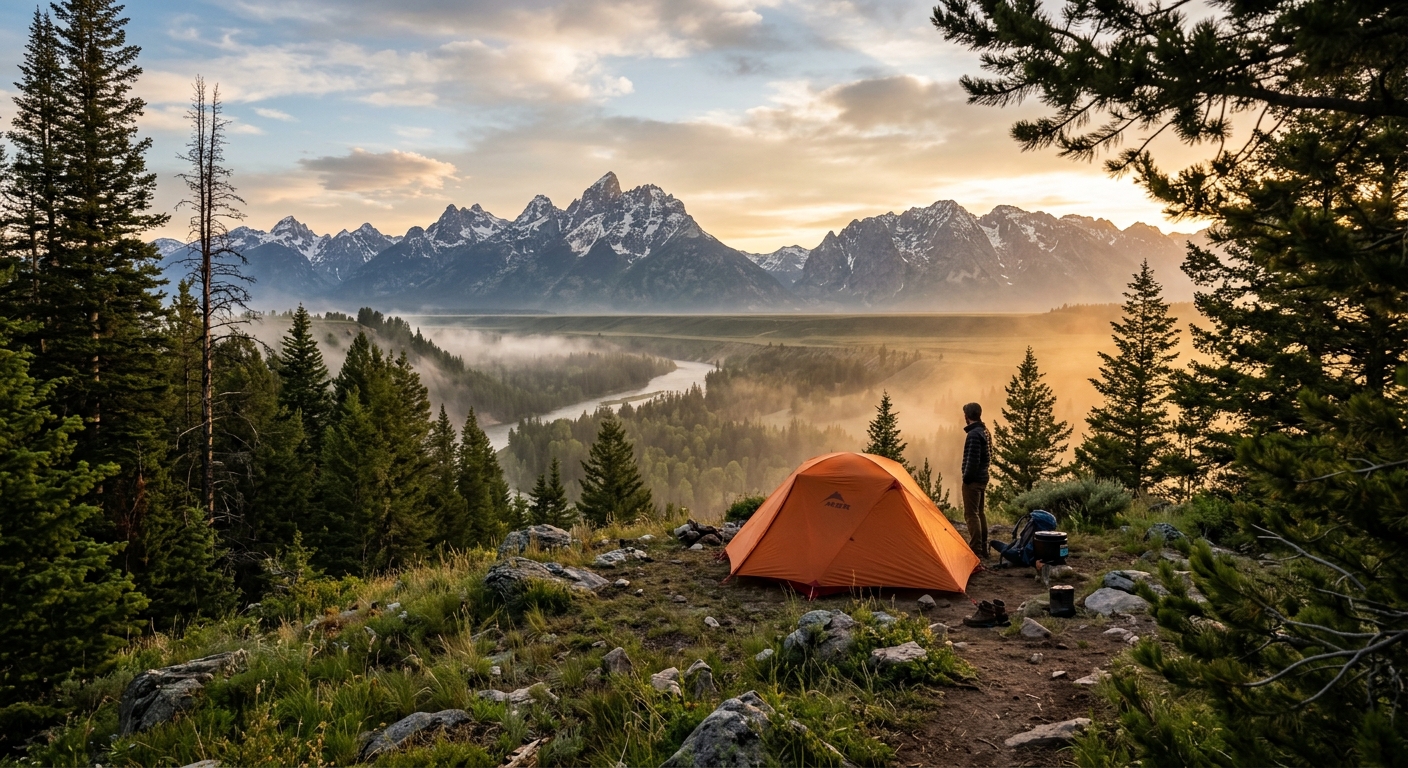
When Bears Change Your Camping Plans
It happens more often than you might think: you've booked a coveted campsite at a legendary park like Glacier National Park, only to discover that increased bear activity has forced a closure — exactly what's happening right now at St. Mary Campground. While news like this can feel like a gut punch to your carefully planned adventure, it's actually an incredible opportunity to rethink how and where you camp. Enter boondocking — dispersed, off-grid camping that puts you back in control of your experience, even when Mother Nature (and her grizzlies) have other plans.
What Is Boondocking, and Why Does It Matter Near Wildlife Hotspots?
Boondocking, also called dispersed camping or dry camping, means setting up camp outside of developed campgrounds — often on Bureau of Land Management (BLM) land, National Forest land, or other public lands — without hookups, assigned sites, or camp hosts. Near wildlife-rich areas like Glacier National Park, boondocking gives you flexibility to find a safe, legal camping spot when traditional campgrounds close or fill up fast due to wildlife management decisions.
The key difference? You're responsible for your own safety, waste, and bear awareness at a much higher level than in a managed campground. That's not a drawback — it's an invitation to become a smarter, more self-sufficient camper.
Bear-Smart Boondocking: The Non-Negotiable Basics
Camping in or near grizzly and black bear territory requires more than casual awareness. Here's what every boondocker should know before pulling off the beaten path:
- Use a certified bear canister or bear box. All food, toiletries, and scented items must be stored in hard-sided, bear-resistant containers. This isn't optional in areas with active bear populations.
- Cook and eat away from your sleeping area. Set up your kitchen at least 200 feet from where you sleep, and never bring food scraps into your tent or RV bedroom area.
- Pack out everything. Leave No Trace isn't just a slogan in bear country — it's a survival strategy. Every wrapper, dish water splash, and coffee ground matters.
- Travel with bear spray and know how to use it. Keep it on your hip, not buried in your pack. Practice the draw so it becomes muscle memory.
- Make noise on the trail. Bears rarely want a confrontation. Clap, talk loudly, or use bear bells when moving through dense vegetation or near streams.
Finding Boondocking Spots Near Glacier and Other Wildlife-Heavy Parks
When a park campground closes, your best alternative camping is often just outside park boundaries. The Flathead National Forest, which borders Glacier National Park, offers extensive dispersed camping opportunities on public land. Similarly, BLM land throughout Montana provides legal, free boondocking with dramatic scenery that rivals anything inside the park gates.
Before you explore, use CampgroundViews.com to scout campgrounds near your destination. With 28,000+ campgrounds and 3,600+ virtual tours, you can browse real video footage of campsites and surrounding areas — so you know exactly what terrain, tree cover, and access roads look like before you commit to the drive. No more showing up to find a site that doesn't work for your rig or your comfort level.
Gear Up: What You Need for Off-Grid Camping in Remote Areas
Successful boondocking near wildlife corridors means coming fully prepared. Consider these essentials:
- Sufficient freshwater supply (at least one gallon per person per day, more in summer heat)
- A portable power station or solar panels if you're in an RV or running any electronics
- A quality first aid kit with wilderness-specific supplies
- Satellite communicator like a Garmin inReach for emergencies where cell service vanishes
- Detailed offline maps downloaded before you lose signal
Embrace the Pivot
Bear closures, weather events, and unexpected park restrictions are part of the wild, unpredictable nature of camping — and honestly, they're part of what makes it an adventure. The campers who thrive are those who stay flexible, come prepared, and know how to find incredible alternatives when Plan A falls through.
Glacier's bears aren't ruining your trip. They're reminding you that you're in their home — and that's exactly why you came.