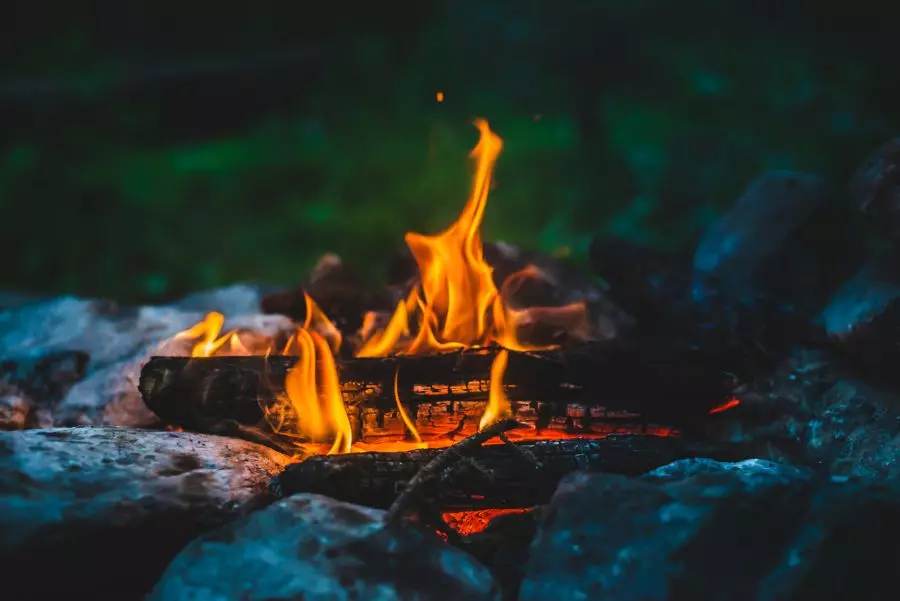
The warm glow of a crackling fire, the sound of wood popping, and the scent of burning wood – there's something undeniably captivating about sitting around a fire. When it comes to outdoor fires, you've likely heard the terms "bonfire" and "campfire," but do you know the difference between the two? In this guide, we'll unveil the distinctions between bonfires and campfires, shedding light on their unique characteristics and purposes.
 Campfire:
1. Size:
Campfire:
1. Size:
- A campfire is typically smaller in size and intended for a more intimate gathering. It's the perfect companion for a cozy evening with a few friends or family members. Campfires are often confined to a fire pit or ring.
2. Location:
- Campfires are commonly found at campsites, parks, or in the backyards of homes. They're designed for recreational and functional use, providing heat, light, and a place to cook food.
3. Purpose:
- The primary purpose of a campfire is to create a focal point for a gathering. Campfires are often used for cooking meals, roasting marshmallows, and sharing stories. They offer a warm and inviting atmosphere, ideal for socializing.
4. Control:
- Campfires are generally well-controlled and supervised. They are usually managed by responsible adults who ensure that the fire remains within a designated area and follows safety guidelines.
5. Safety:
- Safety measures are essential when it comes to campfires. Fire safety rules and guidelines are followed to prevent accidents and wildfires, such as keeping a bucket of water or fire extinguisher nearby.
Bonfire:
1. Size:
- Bonfires are significantly larger than campfires, often reaching impressive heights. They are meant to provide substantial heat and light and can be seen from a distance.
2. Location:
- Bonfires are typically held in open areas, such as beaches, fields, or large outdoor venues. They require more space to ensure that the fire is a safe distance from structures and vegetation.
3. Purpose:
- The primary purpose of a bonfire is to celebrate and mark an event. Bonfires are often part of festivals, gatherings, or ceremonies, serving as a symbol of togetherness and festivity. They are less for cooking and more for entertainment.
4. Control:
- Bonfires require more attention to safety and control due to their size. Special precautions and permits may be necessary to host a bonfire. Safety personnel or authorities often monitor bonfires during public events.
5. Safety:
- Safety is paramount when dealing with bonfires. Given their size and potential for greater risks, strict safety measures, such as barriers, fire breaks, and trained personnel, are employed to prevent accidents.
In summary, the primary distinctions between campfires and bonfires revolve around their size, location, purpose, control, and safety measures. Campfires are smaller, more intimate, and commonly used for social gatherings and cooking, while bonfires are larger, associated with celebrations and festivals, and require stricter safety protocols. Both offer unique and cherished experiences, whether you're sharing stories around a campfire or enjoying the grandeur of a bonfire event.