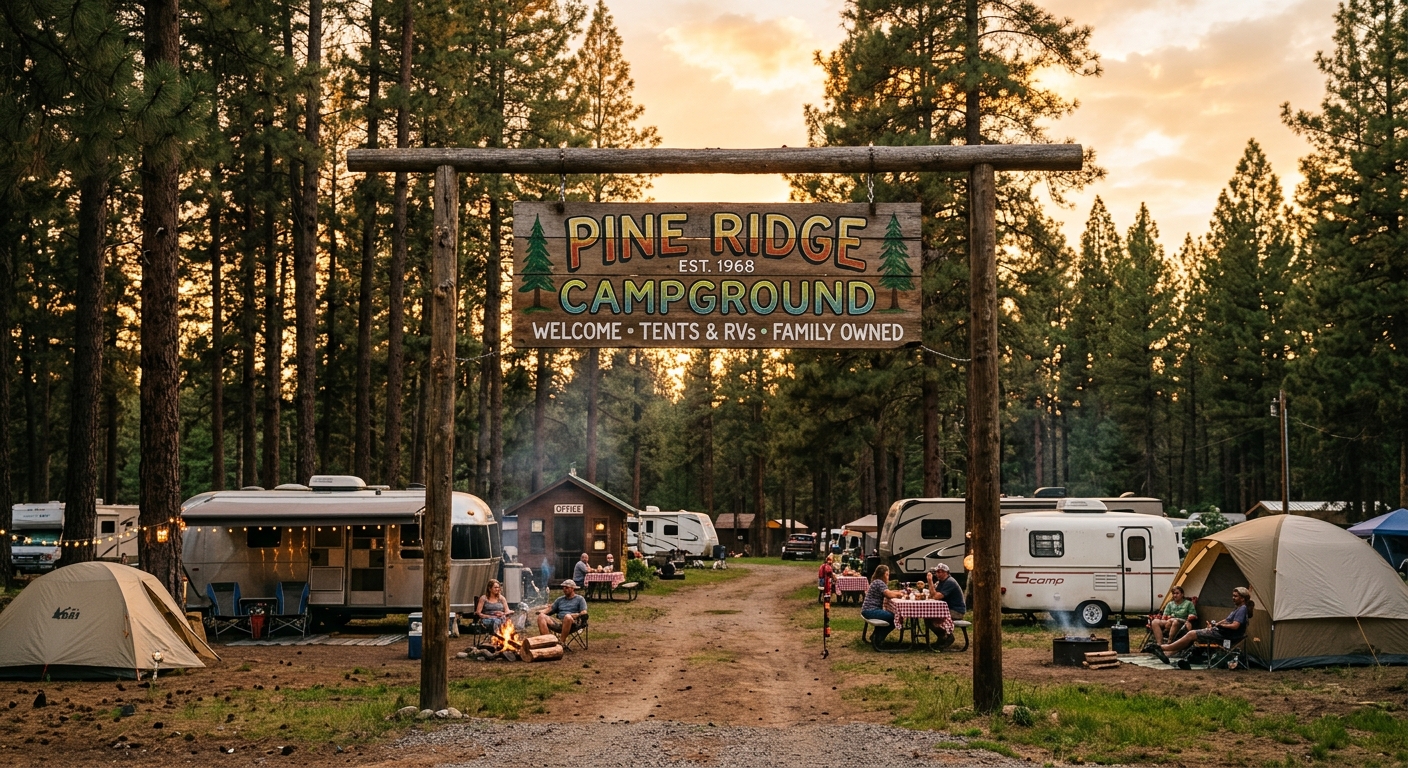
The Changing Landscape of RV Parks and Campgrounds
If you've noticed your favorite RV park suddenly sporting a fresh coat of paint, a new app-based check-in system, and prices that make your eyes water, you're not imagining things. Institutional investors — think private equity firms and large real estate investment trusts — have discovered what campers have known forever: RV parks and campgrounds are golden. The rush to consolidate independently owned parks into large portfolios is accelerating, and it's reshaping the camping experience across North America.
But here's the thing: this doesn't have to be bad news for campers. If you know what's happening and how to navigate it, you can still find incredible, authentic camping experiences — and maybe lock in your favorites before the landscape changes forever.
Why Wall Street Suddenly Loves Your Weekend Escape
The numbers make sense from an investment standpoint. Camping participation has surged, with millions of new campers hitting the road since 2020. RV parks generate consistent, recurring revenue, have relatively low operating costs, and sit on real estate that only appreciates over time. For institutional investors hunting stable returns, a well-located campground is an irresistible asset.
Large operators like Sun Communities, Equity LifeStyle Properties, and Thousand Trails have been in this game for years, but now smaller regional chains and even individual parks are attracting buyout offers. The mom-and-pop era of campground ownership, while far from over, is quietly fading in many markets.
What This Means for Your Camping Experience
Consolidation is a mixed bag for campers. Here's the honest breakdown:
- The Good: Corporate-owned parks often invest heavily in infrastructure — better bathrooms, faster Wi-Fi, resort-style amenities, and reliable maintenance. If you value consistency and comfort, big operators tend to deliver.
- The Not-So-Good: Dynamic pricing algorithms, mandatory membership programs, and a more transactional feel can strip away the charm of camping. That friendly owner who remembered your name and your dog's birthday? Probably replaced by a regional manager overseeing 40 properties.
- The Ugly: As acquisition prices rise, so do nightly rates. Some campers are reporting sticker shock at parks that were affordable just a few seasons ago.
How to Find Independently Owned Gems Before They're Gone
This is where your homework pays off — and where tools like CampgroundViews.com become genuinely invaluable. Rather than booking blindly through a giant reservation platform, take time to research parks with real visual previews. CampgroundViews.com offers 360° virtual tours of campgrounds across North America, so you can actually see what you're booking — the site layout, the scenery, the vibe — before you ever pull out of your driveway.
When searching for independently owned parks, look for these clues:
- Family names in the campground's title or branding
- Handwritten-style signage or personal touches in photos
- Owner responses to reviews that feel personal, not corporate
- Unique themes or character that a chain wouldn't bother preserving
- Smaller site counts (under 100 sites is often a good sign)
Become a Loyal Regular — It Benefits Everyone
One of the best ways to support independently owned campgrounds is to return year after year and tell your friends. Word-of-mouth is still the lifeblood of small park operators, and your loyalty has real financial impact. Leave thoughtful reviews, tag the park on social media, and consider purchasing any merchandise or add-on experiences they offer.
Embrace the Diversity of the Modern Camping Market
Here's a perspective shift worth considering: not every corporately owned park is soulless, and not every independent park is a gem. The camping market is big enough for both. National chains can serve as reliable pit stops on long RV journeys, while independent parks become the destination memories you talk about for years.
Use resources like CampgroundViews.com to preview campgrounds with 360° tours, read community reviews, and make informed choices that match your camping style — whether you're craving a full-hookup resort or a quiet family-run campground tucked into the pines.
The institutional money may be moving in, but the best camping experiences are still out there. You just need to know where to look.