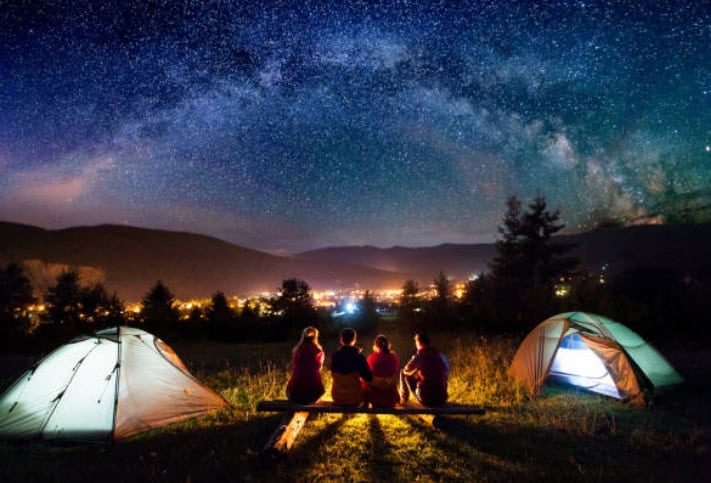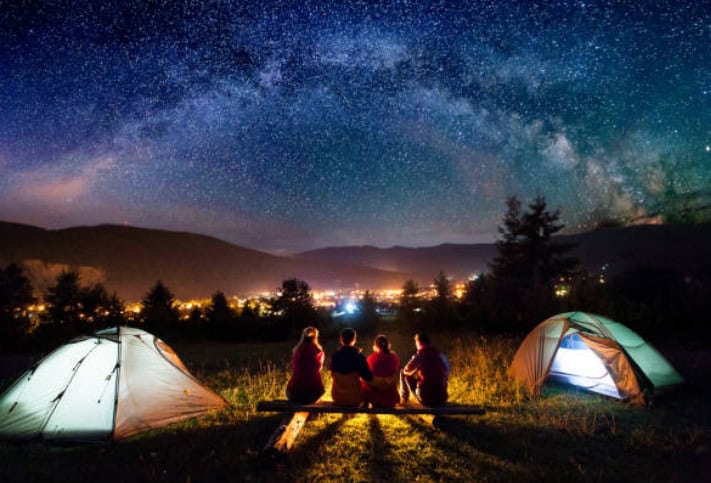
There’s something magical about staring into a star-filled sky while surrounded by the tranquility of nature. Astro-camping takes this experience to the next level by combining camping with stargazing, creating unforgettable nights under the cosmos. Whether you’re an astronomy enthusiast or a casual camper looking for a new adventure, astro-camping is the perfect way to connect with the universe.
Here’s how to plan your astro-camping adventure and make the most of your time under the stars.
1. Choose the Perfect Destination
The key to an incredible stargazing experience is finding the right location. You’ll need a spot with minimal light pollution, clear skies, and a great view of the horizon.
Top Astro-Camping Spots in the U.S.:
- Death Valley National Park (California/Nevada): A designated Dark Sky Park with expansive views.
- Big Bend National Park (Texas): Famous for some of the darkest skies in North America.
- Cherry Springs State Park (Pennsylvania): Offers astronomy programs and stargazing fields.
- Bryce Canyon National Park (Utah): Known for its breathtaking Milky Way views.
- Great Basin National Park (Nevada): A stargazer’s paradise with regular astronomy events.
Pro Tip: Use apps like Dark Sky Finder or Light Pollution Map to locate the best stargazing areas near you.
2. Pick the Right Time
Timing is everything when it comes to stargazing. Plan your trip around these key factors:
- Moon Phases: A new moon or crescent moon provides the darkest skies, perfect for stargazing.
- Seasonal Viewing: Winter offers clearer skies, while summer brings longer nights.
- Meteor Showers: Time your trip with events like the Perseids (August) or Geminids (December).
- Astronomy Events: Check for eclipses, planetary alignments, or other celestial phenomena.
3. Pack the Essentials
Astro-camping requires some specific gear to make your night under the stars enjoyable and comfortable.
Stargazing Gear:
- Telescope or Binoculars: A telescope provides detailed views, while binoculars are great for portability.
- Star Maps or Apps: Use tools like SkyView or Stellarium to identify constellations and planets.
- Red-Filtered Flashlights: Preserve your night vision with red light, which is less disruptive than white light.
Camping Gear:
- Comfortable Sleeping Setup: A good sleeping bag and pad for a restful night.
- Warm Layers: Nights can get chilly, even in summer, so bring extra clothing.
- Portable Seating: Camp chairs or recliners make stargazing more comfortable.
4. Set Up Your Campsite for Stargazing
Where and how you set up your campsite can impact your stargazing experience.
- Choose an Open Area: Avoid campsites under trees or near tall structures that block the view.
- Face the Right Direction: Point your seating area toward the best view of the horizon.
- Limit Light Pollution: Turn off unnecessary lights and cover your campfire with a grate to reduce its brightness.
Pro Tip: Use a tarp or ground blanket to lie flat and enjoy an uninterrupted view of the sky.
5. Learn About the Night Sky
Astro-camping is even more rewarding when you know what you’re looking at. Spend some time learning about constellations, planets, and celestial events before your trip.
What to Look For:
- Constellations: Start with easy-to-spot ones like Orion, Ursa Major, and Cassiopeia.
- Planets: Venus (the “Evening Star”), Jupiter, and Saturn are often visible to the naked eye.
- Deep-Sky Objects: Use binoculars or a telescope to find the Andromeda Galaxy or the Pleiades.
- Meteor Showers: Watch for shooting stars during peak meteor events.
6. Make It a Memorable Experience
Astro-camping isn’t just about stargazing—it’s about creating magical moments. Here are some ways to make your trip extra special:
- Astro-Themed Meals: Cook “galaxy pancakes” with blueberries or enjoy hot cocoa under the stars.
- Storytelling: Share myths and legends about constellations around the campfire.
- Photography: Bring a camera with a tripod and learn basic astrophotography to capture the night sky.
- Journaling: Write down your observations and experiences to remember your trip.
7. Safety Tips for Astro-Camping
While enjoying the stars, don’t forget to prioritize safety.
- Stay Warm: Pack extra blankets and hand warmers to stay cozy during long stargazing sessions.
- Know Your Surroundings: Familiarize yourself with the area during daylight to avoid hazards at night.
- Keep Food Stored Properly: Avoid attracting wildlife by sealing your food in bear-proof containers.
8. Make Astro-Camping a Family Adventure
Stargazing is a fun and educational experience for kids, too! Get the whole family involved with these ideas:
- Constellation Hunts: Challenge kids to find specific star patterns using a map or app.
- Glow-in-the-Dark Crafts: Let them create glow-in-the-dark stars or planets before the trip.
- Fun Facts: Teach them cool astronomy tidbits, like how the North Star helped sailors navigate.
9. Go Beyond the Stars
Astro-camping doesn’t have to stop at stargazing. Expand your adventure with related activities:
- Daytime Astronomy: Use a solar filter to safely observe the sun.
- Moonlit Hikes: Explore trails under the soft glow of a full moon.
- Cultural Astronomy: Learn how different cultures interpret the stars and their significance.
Final Thoughts
Astro-camping is a magical way to combine the serenity of camping with the wonder of the cosmos. By choosing the right location, packing the essentials, and making the experience your own, you can create unforgettable memories under the stars. Whether you’re a seasoned stargazer or just beginning to explore the night sky, there’s something extraordinary waiting for you out there.
So grab your gear, head to a dark sky destination, and let the stars guide your adventure. 🌌✨🏕️