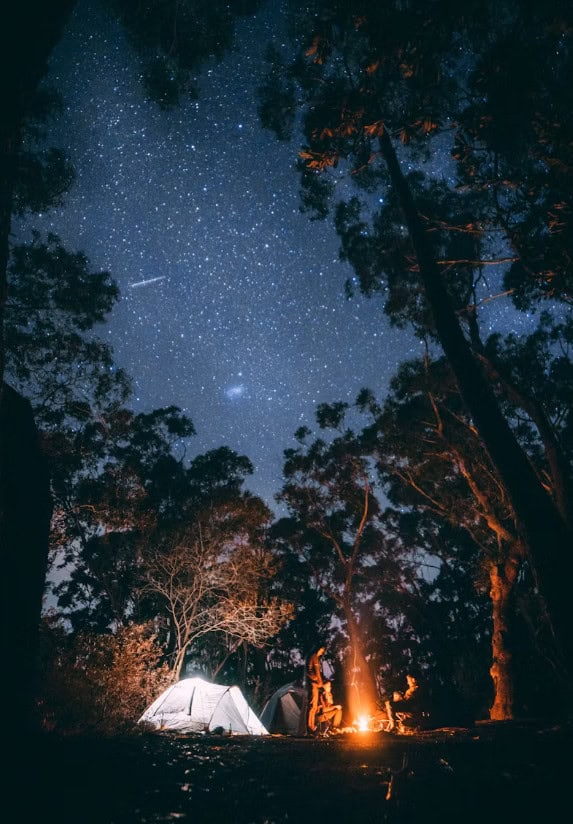
 Camping for the first time is an exciting adventure. It’s a chance to disconnect from the hustle of daily life, connect with nature, and create lasting memories. But without proper preparation, your first trip can quickly go from fun to frustrating. Don’t worry—we’ve got you covered with these 10 essential tips to ensure your first camping experience is a success.
1. Choose the Right Campsite
Picking the right campsite is the foundation of a great camping trip. Consider the following factors when selecting a location:
- Proximity to Home: For your first trip, choose a campsite that’s relatively close to home. This way, you can easily return if needed.
- Amenities: Look for a site with basic amenities like restrooms, potable water, and picnic tables. These conveniences make camping easier for beginners.
- Environment: Decide whether you want a forested, beachside, or mountain setting. Each offers unique experiences.
- Reserve in Advance: Popular campsites can fill up quickly, so make reservations early.
2. Test Your Gear Beforehand
Unpacking and setting up unfamiliar equipment at the campsite can be overwhelming. Avoid surprises by testing your gear at home.
- Set Up Your Tent: Practice pitching your tent in your backyard to ensure you know how it works.
- Try Sleeping Gear: Test your sleeping bag and pad to see if they’re comfortable and warm enough.
- Check Your Stove: Make sure your camping stove or portable grill functions properly and you know how to use it safely.
3. Pack Smart and Stay Organized
Overpacking can lead to unnecessary stress, while underpacking might leave you without essentials. Strike a balance with a smart packing strategy.
- Use a Checklist: Create a detailed checklist to ensure you don’t forget anything.
- Pack in Categories: Use bins or bags to separate items like cooking gear, clothes, and toiletries.
- Don’t Forget the Basics: Bring items like a first-aid kit, flashlight, extra batteries, and trash bags.
4. Dress in Layers
Weather can be unpredictable, so dressing in layers is key to staying comfortable.
- Base Layer: Moisture-wicking fabrics to keep sweat away from your skin.
- Mid Layer: Insulating materials like fleece or down to retain heat.
- Outer Layer: Waterproof and windproof jackets to protect against the elements.
- Accessories: Don’t forget hats, gloves, and sturdy shoes or boots.
5. Plan Your Meals
Good food can make or break a camping trip. Plan simple, delicious meals that are easy to prepare outdoors.
- Pre-Prep at Home: Chop vegetables, marinate meats, and portion snacks before you leave.
- Easy Recipes: Stick to meals like sandwiches, wraps, pasta, and grilled items.
- Bring the Right Tools: Include a portable stove, utensils, cutting board, and cooler with ice packs.
- Store Food Safely: Keep food in sealed containers and store it away from wildlife.
6. Know Basic Safety Rules
Safety should always be a priority, especially for first-time campers.
- Fire Safety: Only build fires in designated fire rings and never leave them unattended.
- Wildlife Awareness: Keep a safe distance from animals and store food securely.
- First-Aid Preparedness: Know how to treat common issues like cuts, burns, and insect bites.
- Emergency Plan: Familiarize yourself with the campsite’s emergency procedures and have a map of the area.
7. Respect Nature and Leave No Trace
Campsites are shared spaces, so it’s important to respect nature and follow Leave No Trace principles.
- Pack Out Trash: Take all your garbage with you, including food scraps and biodegradable items.
- Stay on Trails: Avoid damaging plants and disturbing wildlife by sticking to marked paths.
- Minimize Campfire Impact: Use small, controlled fires or a camping stove instead of collecting firewood.
- Respect Quiet Hours: Be considerate of other campers by keeping noise to a minimum during quiet times.
8. Stay Comfortable at Night
A good night’s sleep is essential for enjoying your camping experience.
- Choose a Level Spot: Set up your tent on flat ground to avoid rolling while you sleep.
- Use a Sleeping Pad: A quality sleeping pad adds cushioning and insulation.
- Keep Warm: Use a sleeping bag rated for the expected nighttime temperatures and wear dry clothes to bed.
- Bring Earplugs: If you’re sensitive to noise, earplugs can block out unfamiliar nighttime sounds.
9. Embrace Activities and Relaxation
Camping isn’t just about survival; it’s about having fun and enjoying your surroundings.
- Plan Activities: Bring games, books, fishing gear, or hiking boots to make the most of your time outdoors.
- Explore: Take a walk, go for a swim, or try birdwatching to connect with nature.
- Unplug: Use this opportunity to disconnect from technology and recharge mentally.
- Take It Easy: Don’t over-schedule yourself. Leave time for relaxation and soaking in the scenery.
10. Learn and Improve
Every camping trip is a chance to learn and get better at outdoor living.
- Reflect on Your Experience: After your trip, think about what worked well and what didn’t.
- Ask for Advice: Talk to experienced campers or join online forums for tips.
- Try New Things: Experiment with different campsites, gear, and activities to discover what you enjoy most.
- Stay Curious: Continue building your outdoor skills, like fire-starting, navigation, and cooking.